
Los lightning arrester 138 kV They are important equipment to protect high voltage electrical networks. Its main function is to limit surges that may appear during an atmospheric discharge or an electrical maneuver.. This way, help protect transformers, cables, substations and other network equipment.
In transmission and distribution systems, a surge can cause serious damage to the insulation. That's why, Electrical companies install lightning arresters at key points of their facilities. Besides, Correct selection improves safety and reduces maintenance costs.
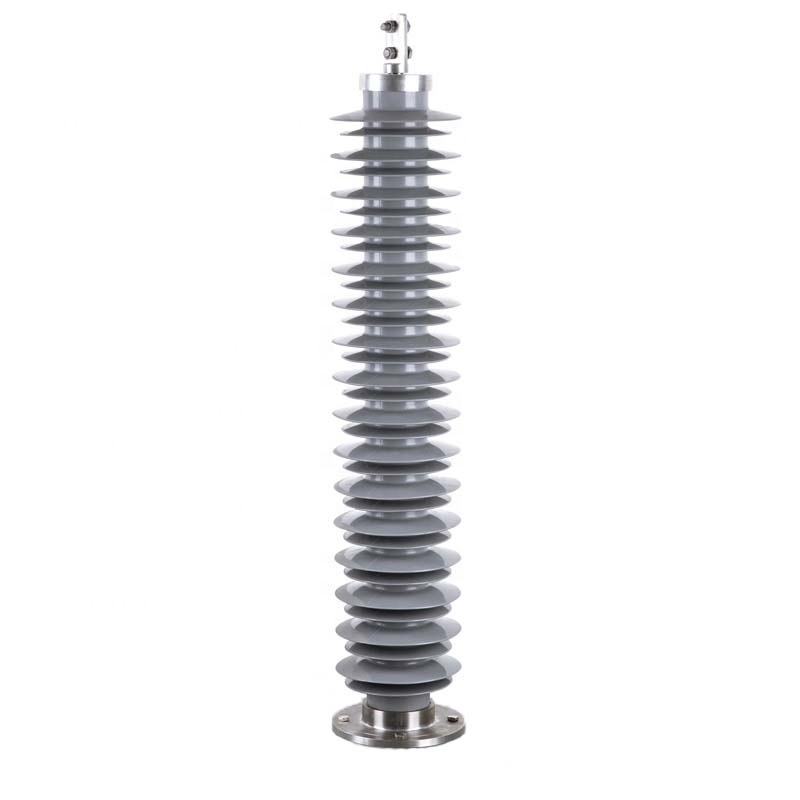
1. What is a lightning arrester? 138 kV?
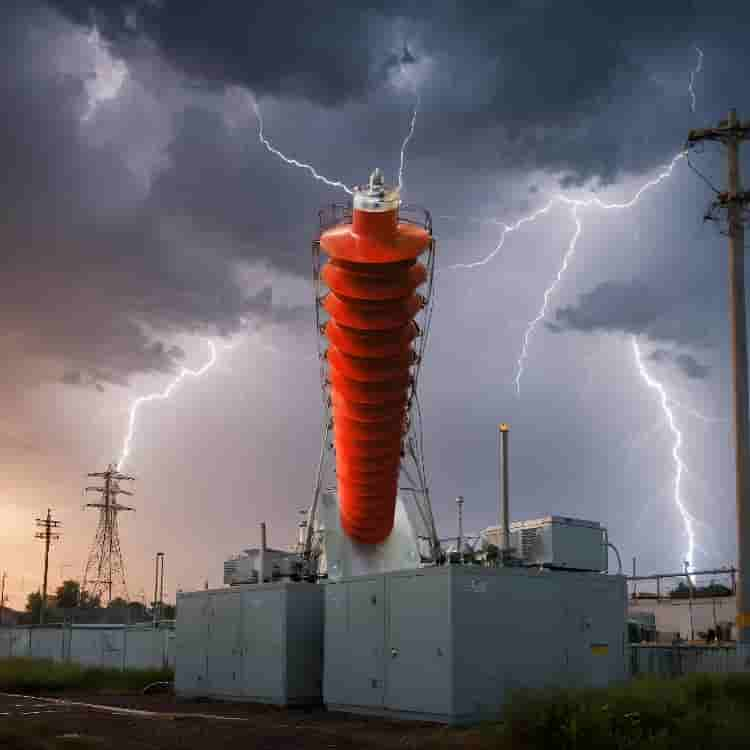
And lightning arrester 138 kV, also known as lightning rod 138 kV or surge arrester, is a device designed to protect electrical equipment against transient overvoltages.
Normally, This equipment connects between the power line and ground. During normal operation, presents a high resistance and allows the system to work without a significant current through the arrester.
However, when a surge appears, the device changes its electrical characteristics. As a result, conducts current to ground and limits voltage reaching protected equipment.
After removing the surge, the lightning arrester returns to its normal state. Therefore, can continue to protect the system throughout its useful life.
In the networks of 138 kV, These equipment are usually installed in:
- High voltage electrical substations.
- Overhead transmission lines.
- power transformers.
- Inputs and outputs of high voltage cables.
- Hydroelectric power plants, solar and wind.
- High capacity industrial facilities.
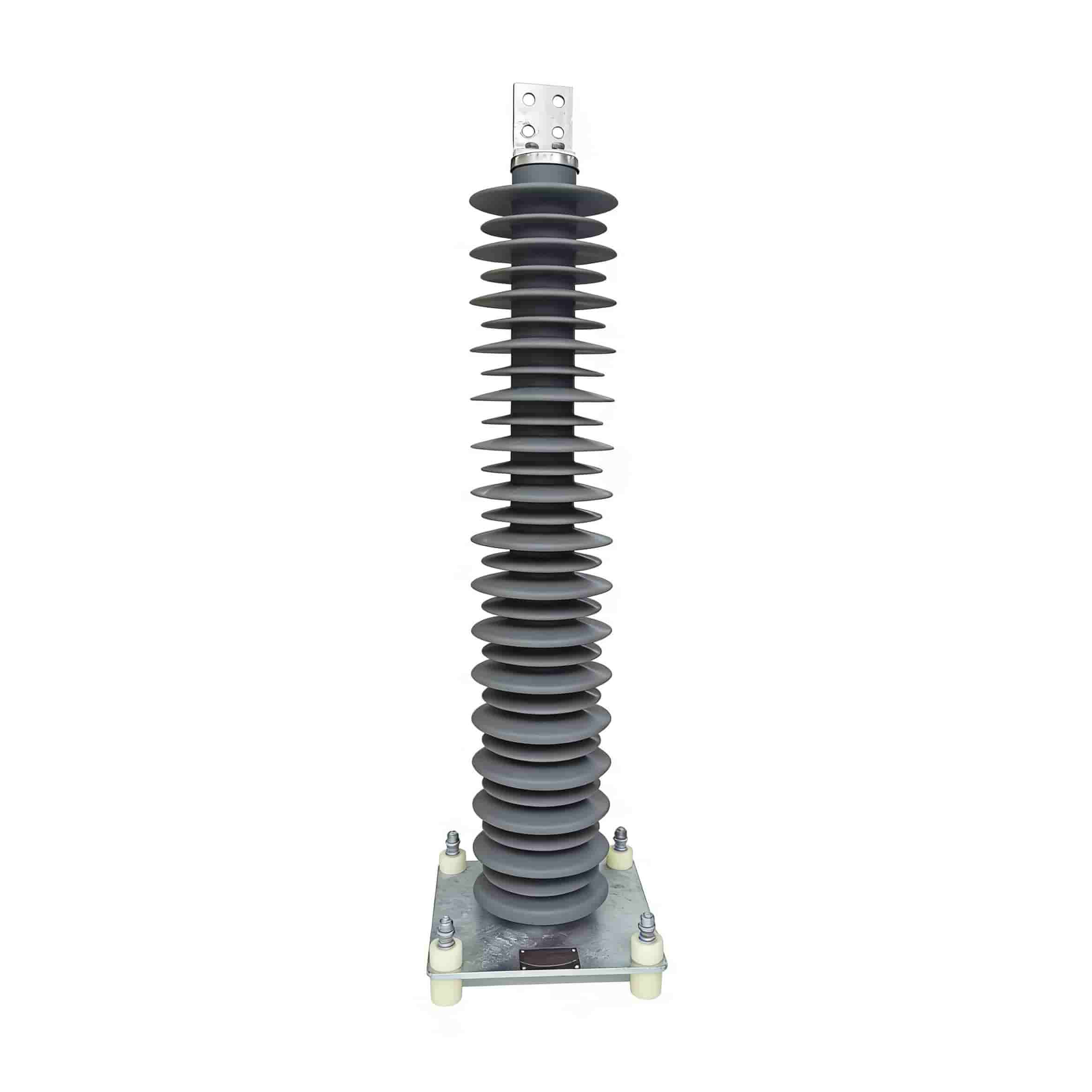
2. How does a lightning arrester work? 138 kV?
Most modern arresters use metal oxide resistors., mainly zinc oxide (ZnO). For this reason, They are also called zinc oxide arrester.
Its operation is based on the electrical properties of these materials. Under normal conditions, zinc oxide blocks have high resistance. That's why, only a small current flows through the device.
When a surge occurs, the strength of the blocks decreases rapidly. So, The arrester conducts the impulse current to ground and limits the residual voltage.
This process helps prevent excessive voltage from reaching the transformer insulation., cable or other equipment.
Besides, Zinc oxide arresters offer several advantages:
- Quick response to surges.
- Good electrical performance.
- Compact design.
- Low leakage current under normal conditions.
- No explorers needed in modern explorerless designs.
- They require little maintenance when selected and installed correctly.
For these reasons, Zinc oxide arresters are widely used in high voltage transmission systems.
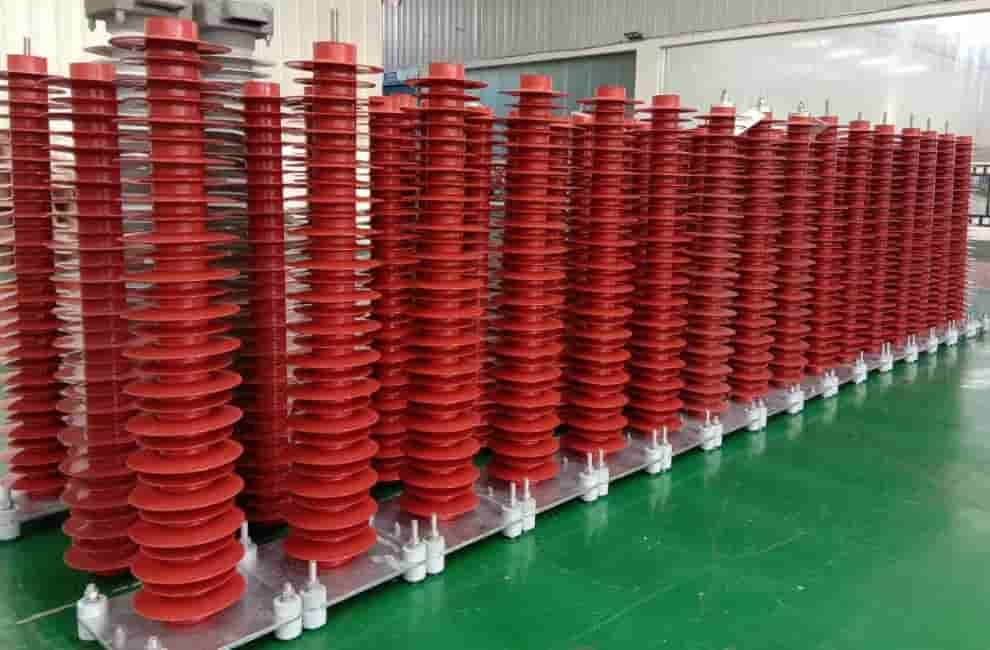
3. Types of lightning arresters 138 kV
Manufacturers offer different designs to adapt to the conditions of each installation. The choice depends on the level of contamination, Environmental conditions, available space and electrical requirements.
3.1 Polymeric strips 138 kV
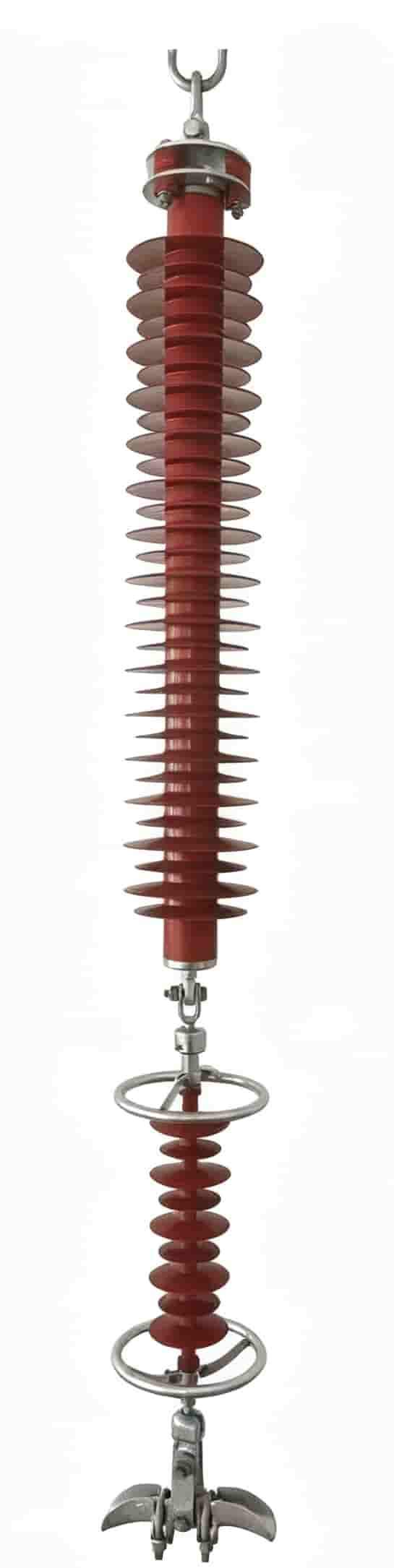
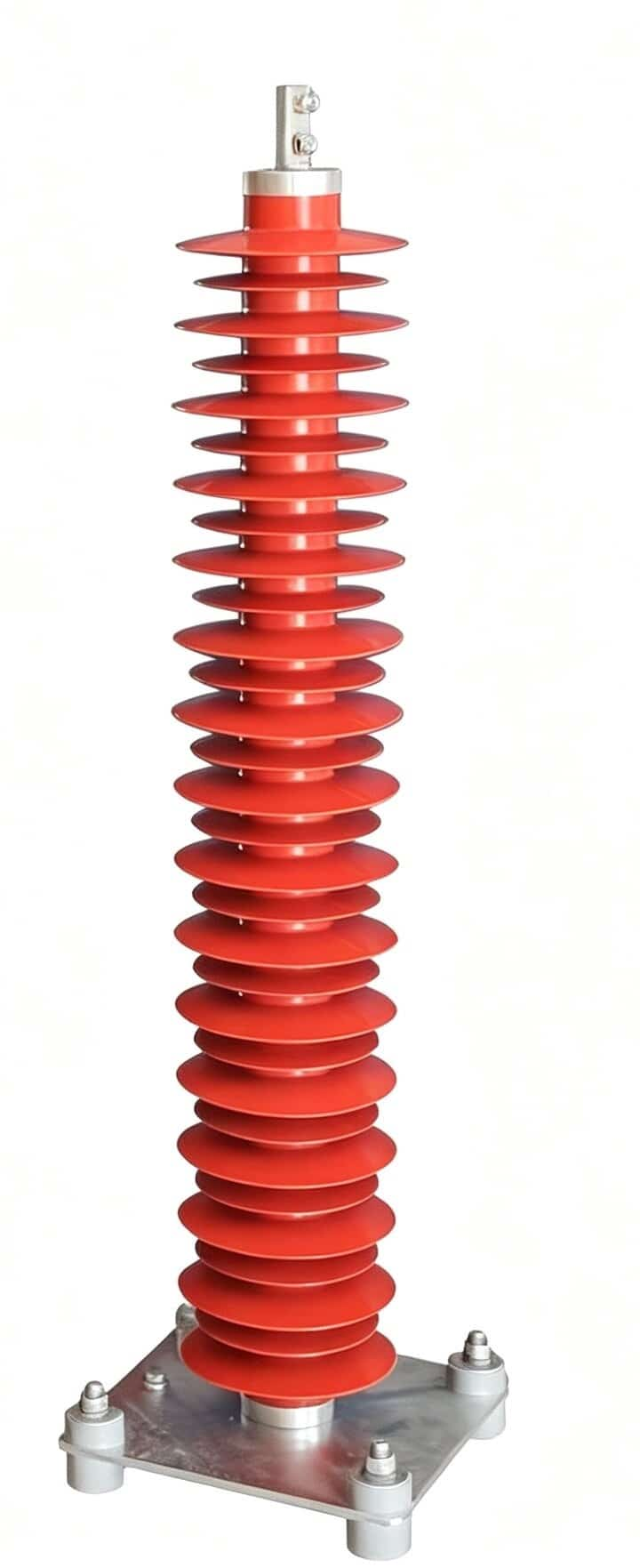
The polymeric lightning arrester uses an outer cover of insulating material, usually silicone.
This design offers reduced weight and good resistance to environmental conditions. Besides, Silicone surface can help maintain good performance against contamination and moisture.
Among its main advantages are:
- Lighter weight than many porcelain designs.
- Good resistance to contamination.
- Easy transport and installation.
- Good performance in humid environments.
- Reduced risk of dangerous shell fragmentation.
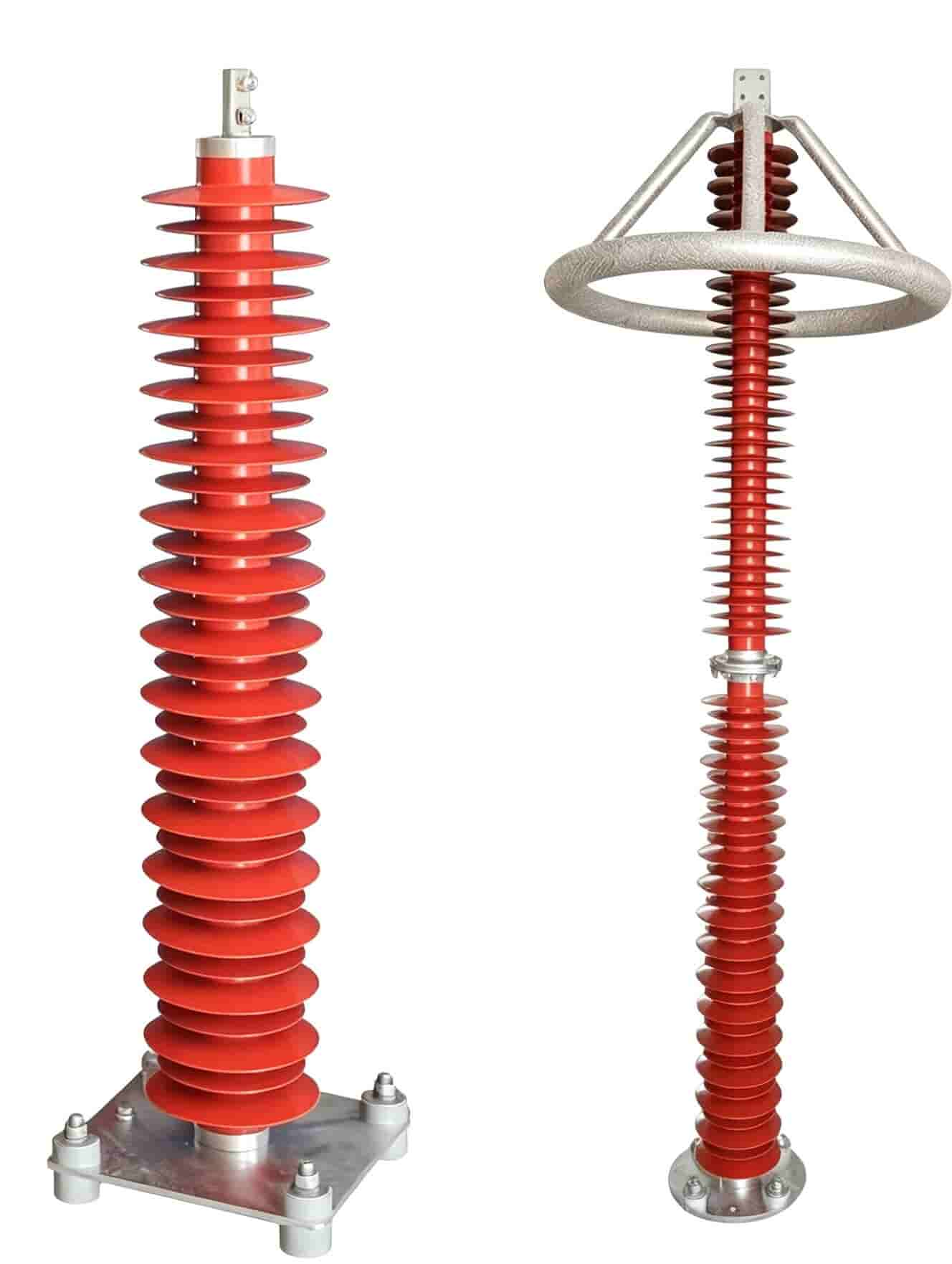
Due to these characteristics, los high voltage polymeric arresters They are a common choice for substations and transmission lines.
3.2 Porcelain lightning arrester 138 kV
Porcelain arrester uses a ceramic cover to provide insulation and mechanical protection.
For many years, Electrical companies have used this type of equipment in high voltage substations. Its structure offers good mechanical resistance and can work in different environmental conditions..
However, porcelain is usually heavier than silicone. Besides, a break in the cover can produce fragments, so the design must meet the corresponding safety requirements.
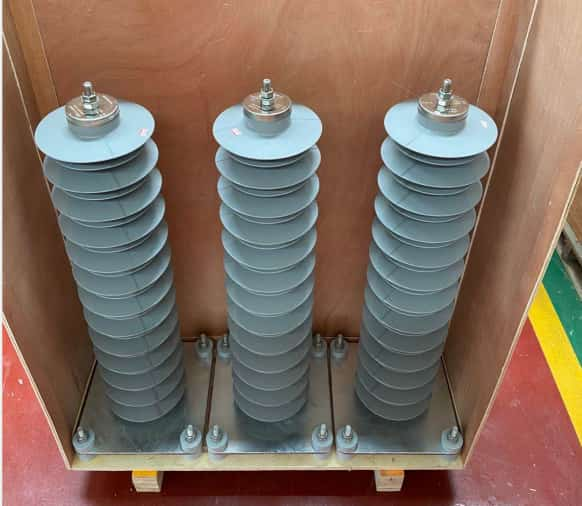
3.3 Station type lightning arrester
He station type lightning arrester It is designed to protect important equipment within an electrical substation.
For example, can be installed near power transformers, reactors and transmission line terminals. In these applications, protection level and power capacity are important factors.
Besides, The design must meet the electrical and mechanical requirements of the project. That's why, the manufacturer must correctly select the nominal voltage, continuous operating voltage and protection level.
4. Applications of lightning arresters 138 kV
The lightning arresters 138 kV are used in different parts of electrical networks. Its location depends on the system design and the equipment that needs protection.
Electrical substations
Substations are one of the main installation locations. Over there, lightning arresters protect transformers, switches, bars and other surge equipment.
Besides, can be installed at overhead line entrances and near high voltage cable connections.
Transmission lines
Atmospheric discharges can produce surges in overhead lines. That's why, Some installations use lightning arresters to reduce the risk of equipment damage and improve network performance.
The number and location of these devices depend on the line protection design..
power transformers
Transformers represent an important investment for electrical companies. For this reason, need adequate surge protection.
Normally, Lightning arresters are installed near the transformer terminals. Thus, They help limit the voltage that can reach the insulation of the equipment.
Underground cable systems
High voltage cables also need surge protection. In particular, connections between overhead lines and underground cables may require lightning arresters.
At these points, the design must consider the length of the cable, the characteristics of the network and the level of isolation of the equipment.
5. Technical parameters of a lightning arrester 138 kV
Before purchasing a lightning arrester 138 kV, It is necessary to review its electrical and mechanical parameters. It is not enough to only know the system voltage.
The following data usually appears on a technical sheet:
| Parameter | Description |
|---|---|
| System voltage | 138 kV |
| Maximum equipment voltage (One) | Usually 145 kV |
| Technology | Metal oxide, mainly ZnO |
| Cover material | Silicone or porcelain |
| Nominal voltage (Ur) | It is determined according to the study of the system |
| Maximum continuous operating voltage (Uc) | Selected based on network conditions |
| Rated discharge current | According to project requirements |
| Protection level | Depending on the insulation characteristics |
| Power capacity | According to the conditions of service |
| Installation | Exterior o interior, according to the design |
Important: a system of 138 kV usually uses equipment with a maximum voltage of 145 kV (One). However, This does not mean that the arrester must have a nominal voltage (Ur) of 145 kV.
The rated voltage and maximum continuous operating voltage should be selected according to the system grounding, temporary surges and the time required to eliminate them.
Therefore, the manufacturer needs to know the actual network conditions before recommending a model.
6. International standards for high voltage lightning arresters
High voltage lightning arresters must comply with recognized technical standards. These standards establish requirements for the design, testing and product performance.
Among the main references are:
IEC 60099-4
This standard establishes requirements for non-explosive metal oxide surge arresters intended for alternating current systems..
Includes design and testing requirements to verify the electrical behavior of the equipment.
IEC 60099-5
This standard provides recommendations for the selection and application of lightning arresters.. Besides, Helps users choose suitable equipment based on electrical system conditions.
IEEE C62.11
This standard establishes requirements for metal oxide surge arresters used in alternating current electrical systems..
The buyer must confirm which standard the project requires. In addition, It is advisable to review the applicable edition and the specific requirements of the electrical company.
7. Quality tests of lightning arresters 138 kV
The tests allow us to verify that the lightning arrester meets the technical requirements. Besides, help verify their safety and performance before delivery.
Common tests include:
- Reference voltage test: check the electrical characteristics of metal oxide blocks.
- Leakage current test: checks the current flowing during normal operation.
- Residual stress test: measures the voltage that appears on the arrester during a current discharge.
- Impulse discharge test: evaluates the response to different current waveforms.
- insulation test: checks the behavior of the external insulation.
- Leak test: checks internal protection against moisture ingress.
- aging test: evaluates equipment behavior under specific working conditions.
Besides, Buyer can request type testing reports, routine tests and inspection documents. Exact requirements depend on the applicable standard and project specifications.
8. How to choose a lightning arrester supplier 138 kV?
Choosing a suitable supplier is important to ensure the quality and safety of the electrical system. However, Price should not be the only purchasing criterion.
Before placing an order, It is worth reviewing the following points:
1. Technical experience
The supplier must understand the requirements of the 138 kV. It should also offer support for selecting the nominal voltage, continuous operating voltage and protection level.
2. Standards Compliance
Request information on applicable IEC or IEEE standards. Besides, review available test reports and technical documents.
3. Materials and design
Check the cover material, zinc oxide blocks and internal components. These elements directly influence the performance of the lightning arrester..
4. Technical documentation
A professional supplier must provide plans, technical sheets, installation manuals and inspection documents, depending on the scope of supply.
5. Export service
For international projects, It is also important to confirm the packaging, delivery time and export documents.
This way, the buyer can compare different offers and choose a solution that meets the project requirements.
9. DOSENSE: manufacturer and supplier of electrical equipment
DOSENSE works in the sector of electrical equipment and solutions for energy transmission and distribution systems.. The company offers commercial attention for projects related to power cables, accessories for cables and other electrical products.
For projects that require lightning arrester 138 kV, Buyers can check product availability and request technical information according to their specifications.
Besides, It is important to define the nominal voltage from the beginning, maximum continuous operating voltage, rated discharge current, the cover material and the required standards.
In this way, DOSENSE can evaluate purchasing requirements and coordinate an appropriate technical and commercial proposal for each project..
10. Conclusion
Los lightning arrester 138 kV play an important role in protecting substations, transformers and transmission networks. Its function is to limit surges and conduct impulse currents to ground..
At the moment, Polymer-coated or porcelain-coated zinc oxide models are used in a variety of high-voltage applications.. However, each project needs an appropriate technical selection.
That's why, Before purchasing a lightning arrester 138 kV, it is necessary to review the network conditions, nominal voltage, continuous operating voltage and protection level. In addition, It is advisable to confirm compliance with the corresponding IEC or IEEE standards.
Good selection helps protect electrical equipment and improves safety and continuity of power supply.