
Introduction
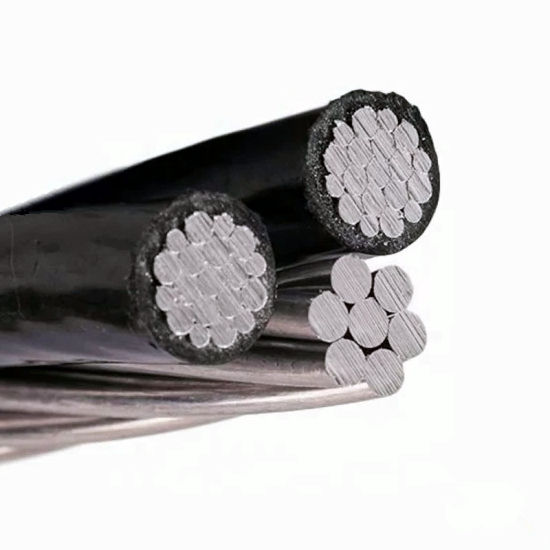
The wire 1/0 AWG is one of the most used electrical conductors in industrial projects, high power commercial and residential. Due to its excellent driving ability, This cable frequently appears in electrical distribution systems, modern underground facilities and overhead networks.
At the moment, many electrical companies use cable 1/0 AWG in applications such as THHN cable, URD cable, welding cable, aluminum service wire and twist cable for overhead lines. Besides, This size of conductor is also popular in solar installations, data centers and heavy industrial machinery.
Besides, The growth of energy infrastructure has increased the demand for high-capacity copper and aluminum cables. As a result, the wire 1/0 AWG has become a reliable solution for safely and efficiently carrying current.
In this guide you will discover:
- What does it mean 1/0 AWG
- Most used cable types
- Differences between copper and aluminum
- Industrial applications
- Technical advantages
- Price factors
- Installation Tips
What does it mean 1/0 AWG?
The term AWG stands for “American Wire Gauge.”, a measurement system used to define the diameter of electrical conductors.
In the case of cable 1/0 AWG, aka “One Aught”, The conductor has a larger section than conventional AWG sizes. Therefore, offers lower electrical resistance and higher current capacity.
General characteristics
| Parameter | Approximate Value |
|---|---|
| Cross-sectional area | 53.5 mm² |
| Driver diameter | 8.25 mm |
| Material | It covers the aluminum |
| Typical voltage | 600V – 35kV |
| Maximum temperature | 75°C – 90°C |
| Main use | Electrical distribution |
Thanks to these features, the wire 1/0 AWG can work in demanding industrial environments for long periods.
Main Cable Types 1/0 AWG
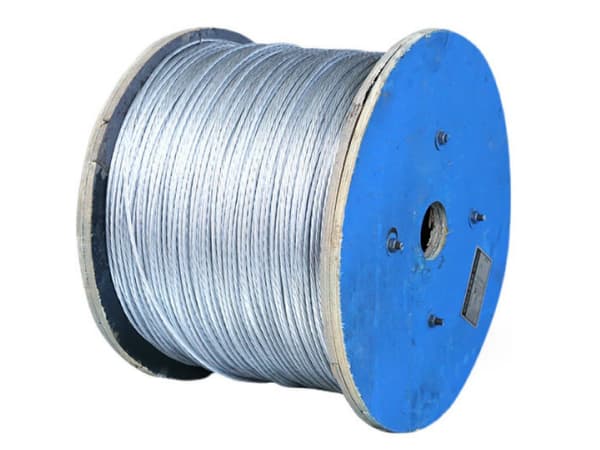
There are different versions of the cable 1/0 AWG depending on application and installation environment. Next, We analyze the most important.
Copper Cable 1/0 AWG
Copper cable is widely recognized for its high conductivity and excellent mechanical resistance..
Main advantages
- Lower voltage drop
- Excellent conductivity
- Greater durability
- Good flexibility
- Heat resistance
Besides, copper withstands repeated connections and mechanical vibrations better.
Common applications
- electrical panels
- Control centers
- Generators
- Transformers
- Industrial infrastructure
However, The price of copper is usually higher than aluminum.
Aluminum Service Wire 1/0 AWG
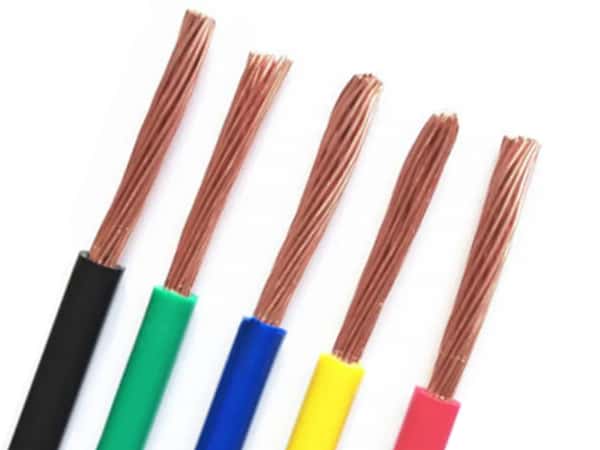
Aluminum service wire is frequently used in distribution networks and residential electrical connections..
Due to its low weight, This driver makes transportation and installation easy. In addition, Its cost is considerably lower compared to copper.
Featured benefits
- Reduced weight
- Lower cost
- Good corrosion resistance
- Simple installation
Common applications
- electrical service entrance
- Air networks
- Residential systems
- Urban distribution
On the other hand, It is important to use appropriate connectors to avoid oxidation at the joints..
THHN Cable 1/0 AWG
The THHN cable is one of the most used conductors in commercial and industrial installations..
THHN means:
- Thermoplastic
- High Heat Resistant
- Nylon Coated
This type of cable combines thermoplastic insulation with a durable nylon layer.
Technical Characteristics
| Feature | Specification |
|---|---|
| Voltage | 600V |
| Temperature | 90°C |
| Isolation | PVC + Nylon |
| Installation | Interior and ducts |
Main uses
- Commercial buildings
- HVAC Systems
- Metallic conduit
- Cable trays
- Industrial centers
Besides, THHN cable offers excellent wear and chemical resistance.
Welding Cable 1/0 AWG
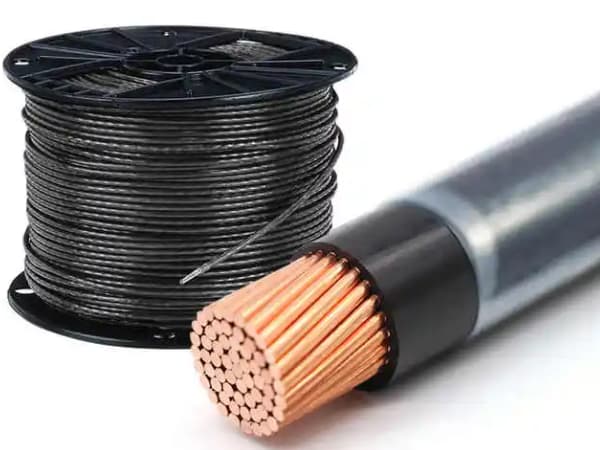
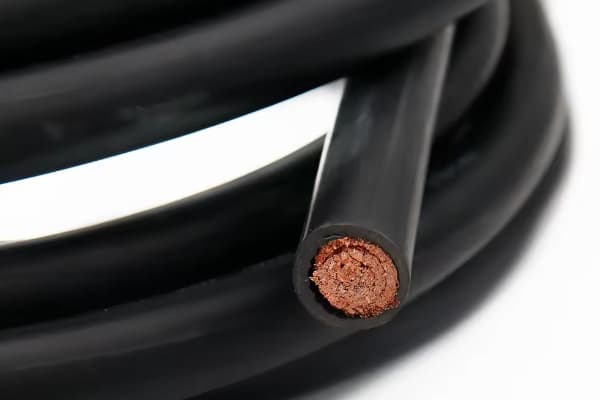
The welding cable is designed for welding equipment and high flexibility applications..
Unlike other drivers, This cable incorporates multiple fine threads that allow greater mobility.
Main features
- High flexibility
- Excellent mechanical resistance
- Support for high currents
- Vibration resistance
Industrial applications
- Welding machines
- Mining
- Heavy construction
- Shipyards
- Mobile equipment
For this reason, welding cable 1/0 AWG is widely used in harsh industrial environments.
URD Cable 1/0 AWG
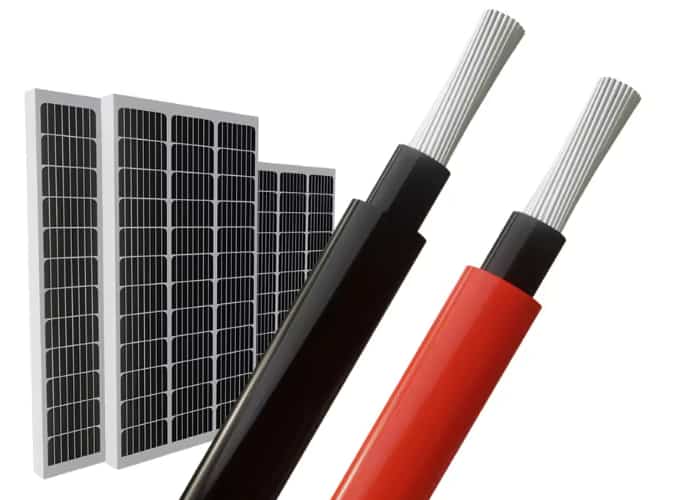
URD significa “Underground Residential Distribution”. This cable was specially designed for underground electrical distribution.
Generally, The URD cable uses aluminum conductor and XLPE insulation.
Features of the URD cable
| Feature | Description |
|---|---|
| Installation | Underground |
| Conductor | Aluminum |
| Isolation | XLPE |
| Endurance | Moisture and corrosion |
Most frequent applications
- Urbanizations
- Residential electrical networks
- Underground distribution
- Transformer power
Besides, The URD cable has excellent behavior against humidity.
Twist Cable for Overhead Lines
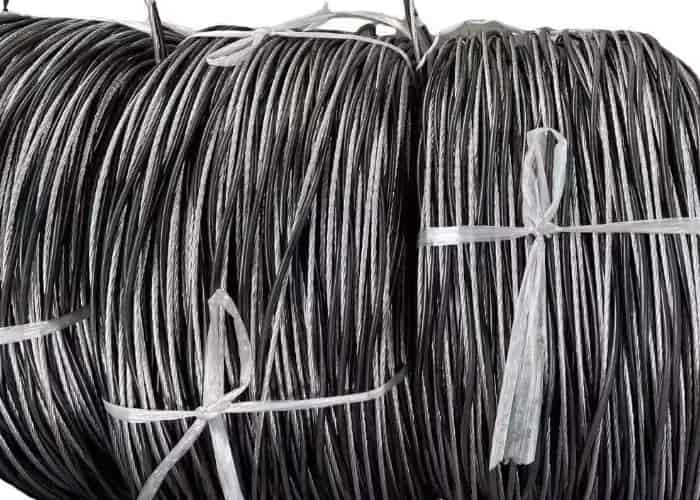
El twist cable, also known as aerial bundled cable (ABC), It is widely used in modern aerial networks.
Instead of bare conductors, This system uses insulated cables twisted together.
Advantages of twist cable
- Greater security
- Lower risk of short circuit
- Easy installation
- Reduction of electrical losses
Common applications
- Urban networks
- Rural electrification
- Street lighting
- Aerial distribution
Due to its compact design, This cable reduces failures caused by trees and weather conditions.
Differences Between Copper and Aluminum Cable
Many companies compare both materials before making a purchase.. For this reason, It is important to know their main differences.
| Feature | Copper | Aluminum |
|---|---|---|
| Conductivity | Very high | Media |
| Weight | Alto | Low |
| Precio | More expensive | Cheaper |
| Flexibility | Excellent | Buena |
| Mechanical strength | Alta | Media |
In general, copper offers better electrical performance. Nevertheless, Aluminum represents an economical alternative for large projects.
Cable Current Capacity 1/0 AWG
Ampacity depends on insulation, temperature and installation method.
Approximate values
| Cable Type | Ampacity |
|---|---|
| THHN copper | 150 A |
| THHN aluminum | 120 A |
| Welding cable | 300 A aprox |
| URD cable | Variable |
However, NEC and IEC standards should always be considered before installing the driver.
Industrial Cable Applications 1/0 AWG
The wire 1/0 AWG appears in multiple industrial sectors due to its great electrical capacity.
Energy sector
- Substations
- Solar energy
- Wind farms
- Electrical networks
Construction sector
- Hospitals
- Shopping centers
- Smart buildings
- Residential towers
Heavy industry
- Steelworks
- Mining
- cement plants
- Oil and gas
Besides, Modern industries require reliable cables to ensure operational continuity.
Advantages of the cable 1/0 AWG
Excellent electrical efficiency
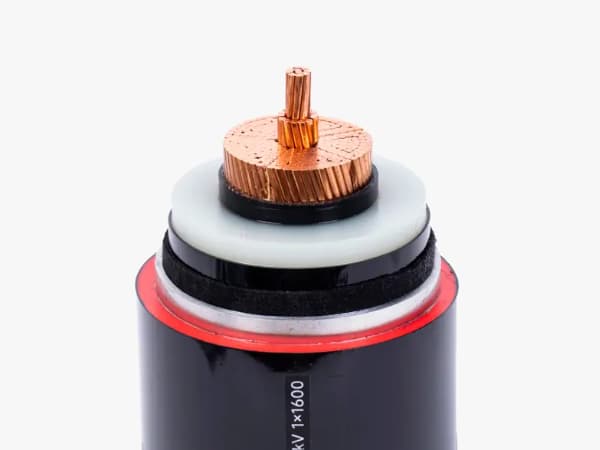
This conductor reduces energy losses and improves overall system performance..
Long lifespan
In addition to supporting high currents, the wire 1/0 AWG has great mechanical resistance.
Wide versatility
Can be found in aerial configurations, underground and industrial.
International Compatibility
In addition, complies with international standards used in multiple countries.
Factors Influencing Price
The price of cable 1/0 AWG is constantly changing due to different factors.
Material conductor
Copper usually costs more than aluminum.
Insulation type
XLPE and EPR materials have higher prices than conventional PVC.
Certifications
UL Certifications, IEC and ASTM increase product value.
International market
Besides, Copper and aluminum prices fluctuate daily.
How to choose the right cable
Before buying a cable 1/0 AWG, It is worth analyzing several technical aspects.
Consider the application
Each project needs a specific type of driver.
Practical examples
- Welding → Welding cable
- Commercial installation → THHN cable
- Underground network → URD cable
- Aerial distribution → Twist cable
Review certifications
It is also essential to verify international standards and quality tests.
Assess the environment
humidity, Temperature and UV exposure affect cable performance.
Cable Related Standards 1/0 AWG
Electrical standards guarantee safety and reliability.
American standards
- NEC
- UL
- ASTM
International standards
- IEC
- IEEE
Thanks to these regulations, Users can safely install cables.
Market Trends
The demand for cable 1/0 AWG continues to grow around the world.
For example, The development of renewable energies has promoted the use of URD cable and aluminum service wire. In addition, Urban expansion requires more high-capacity electrical infrastructure.
Besides, Data centers and electric vehicles are increasing the consumption of industrial drivers.
Common Errors When Buying Cable 1/0 AWG
Choosing wrong materials
Not all projects need high-conductivity copper.
Ignore ambient temperature
High temperatures reduce current capacity.
Buy products without certification
This can lead to electrical hazards and premature failure..
Prioritize only the price
In many cases, Cheap cables lead to higher maintenance costs.
Tips for a Safe Installation
Use compatible connectors
Especially when working with aluminum.
Avoid overloads
Excessive currents reduce insulation life.
Protect against moisture
Besides, underground installations require proper sealing.
Carry out periodic inspections
Preventive maintenance improves system security.
Future of Cable 1/0 AWG
The electrical industry is evolving rapidly. For this reason, Manufacturers develop more efficient and sustainable cables.
At the moment, trends include:
- Ecological insulation
- Halogen-free cables
- Smart networks
- High energy efficiency systems
Consequently, the wire 1/0 AWG will continue to be essential in modern projects.
Conclusion
The wire 1/0 AWG represents a reliable solution for industrial applications, commercial and residential. Thanks to its high electrical capacity, This conductor can be used in THHN systems, URD cable, welding cable, aluminum service wire y twist cable aéreo.
Besides, Both copper and aluminum offer specific advantages depending on the project. While copper provides maximum conductivity, aluminum reduces costs and weight.
Finally, Choosing a certified cable suitable for each application guarantees safety, efficiency and long life.
For any questions about Cable manufacturers 1/0 AWG, feel free to contact us.