
In today's digital age, Much of our global communication depends on fast and reliable data networks. Although many imagine that the internet works through invisible waves or satellites, The reality is that more than 95% of international data traffic is transmitted via submarine internet cable. These cables are the backbone of global connectivity, allowing the transfer of information between continents at astonishing speeds.
History of submarine cables
Los submarine internet cables They are not a recent invention. Its predecessor dates back to the 19th century with the first telegraph cables that connected Europe and America.. The first transatlantic telegraph cable was completed in 1858, although its initial operation was limited due to technical problems. With the passage of time, submarine cable technology evolved, allowing voice to be transmitted, data and finally internet signals reliably.
The real revolution came at the end of the 20th century, when the demand for the internet began to grow exponentially. Fiber optic cables replaced copper cables, dramatically increasing data transmission capacity. Nowadays, los submarine internet cables They are capable of transporting terabytes of information per second, connecting continents practically instantly.
What is an underwater internet cable?
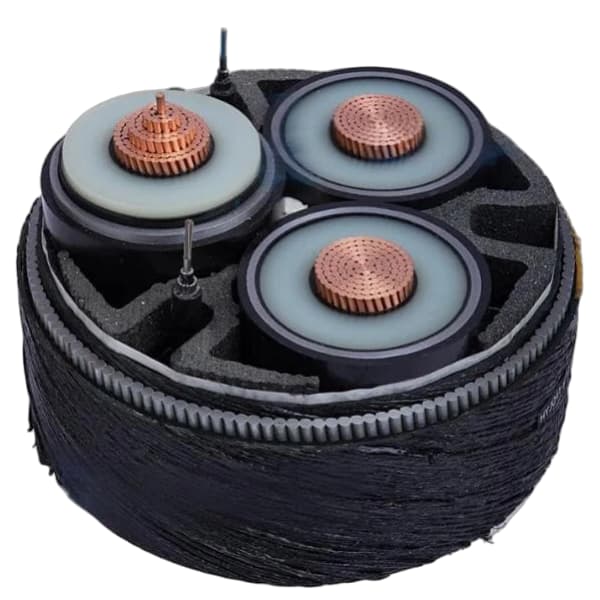
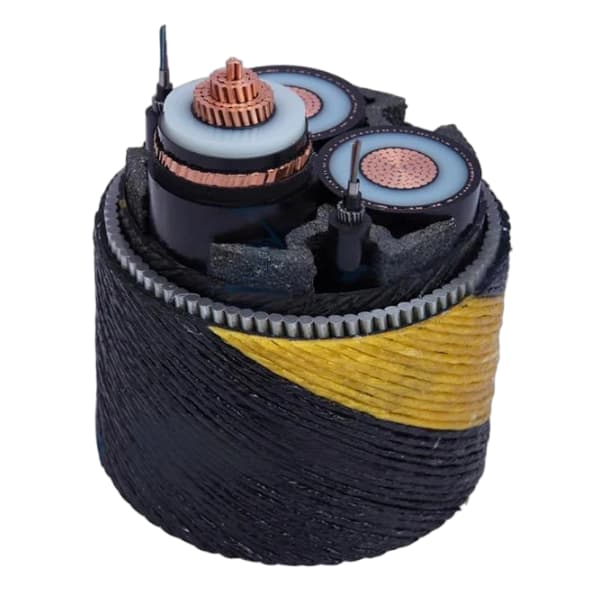
And submarine internet cable is a fiber optic cable designed to be installed on the seabed and transmit digital data between continents. It is composed of several layers of protection to resist water pressure, Corrosion and possible damage caused by ships, anchors or marine fauna.
At its core, The cable contains fiber optic strands that carry modulated light signals. These signals represent internet data, like emails, videos, voice calls and financial transactions. Fiber optics allow data to travel at speeds close to light, with minimal signal losses, which guarantees fast and reliable communication internationally.
Components of a submarine cable
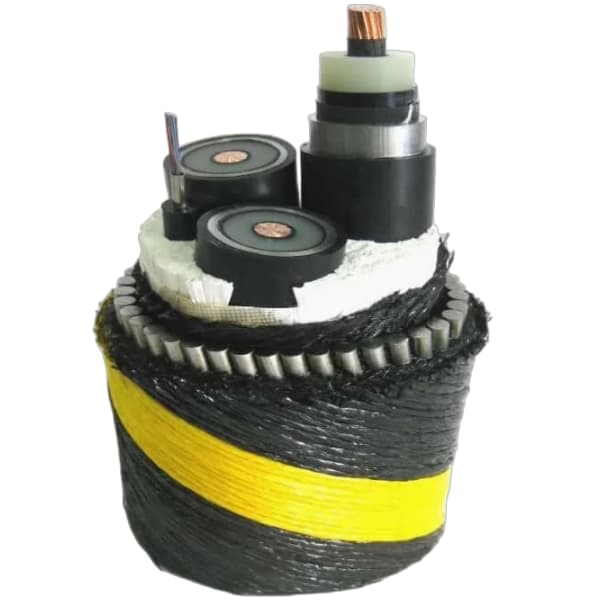
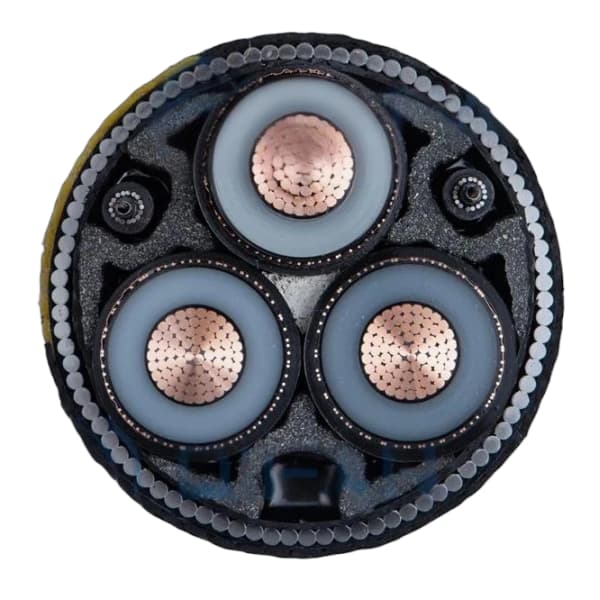
A typical submarine cable is made up of several layers:
- Fiber Optic Core: Where information is transmitted in the form of light pulses.
- Gel cover or dielectric material: Protects fiber from moisture and maintains signal integrity.
- Metal shield: A layer of steel that protects against physical damage and bites from marine wildlife.
- Polyethylene outer layer: Provides resistance against corrosion and marine elements.
Some cables also include optical repeaters each 50 a 100 kilometers to amplify the signal and ensure that data can travel long distances without degrading.
Importance of submarine internet cables
Los submarine internet cables They are essential for the economy and global communication. Its importance can be summarized in several key points:
- Global connectivity: They allow real-time communication between continents, which makes services such as international video calls possible, e-commerce and cloud data transmission.
- High speed and low latency: Unlike satellites, Submarine cables offer much higher speeds and faster response times. This is crucial for applications such as financial trading and streaming content..
- Stability and reliability: Submarine cables are less susceptible to weather or space interference, offering a stable connection even in adverse conditions.
- Support for technological infrastructure: They are the basis of data centers and cloud services that depend on a constant flow of data.
Types of submarine internet cables
There are different types of submarine cables, classified according to their design and purpose:
- long distance cables: They connect entire continents and can be thousands of kilometers long. For example, cables linking North America with Europe or Asia.
- Regional cables: They connect neighboring countries or regions within the same continent, providing redundancy and support to long distance cables.
- Private cables: Operated by large technology companies to ensure their own international connectivity and control over their data traffic.
Installation process
The installation of a submarine internet cable It is a complex process that requires meticulous planning and advanced technology. It can be summarized in the following stages:
- Study of the seabed: Detailed mapping is carried out to identify safe routes and avoid obstacles such as reefs or seismic zones.
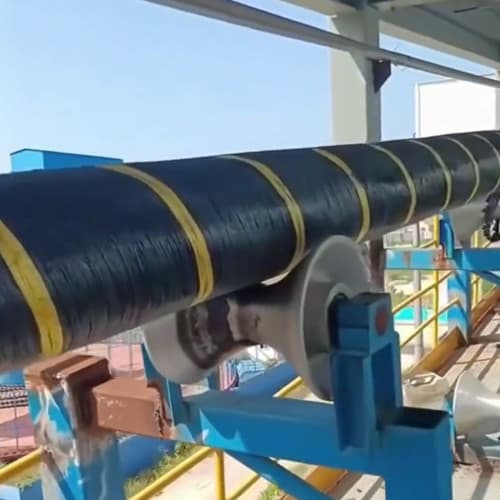
- Cable manufacturing: The cables are produced in specialized factories, with specifications according to length, installation capacity and environment.
- Transport and deployment: The cables are transported on specialized ships and carefully deployed from the surface to the seabed..
- Installation of repeaters: Every certain section, optical repeaters are placed that amplify the signal to maintain the integrity of the data..
- Testing and monitoring: Once installed, Rigorous testing is performed to ensure connection quality and cable durability.
Sizes, common specifications and models
Los submarine internet cables vary depending on their capacity, number of fibers and physical protection. Below is a table with the most common sizes and models:
| Model / Type | Fiber number | External diameter (mm) | Weight per km (kg) | Approximate capacity (Tbps) | Main use |
|---|---|---|---|---|---|
| SubCable-12F | 12 fibras | 17 | 220 | 10 | Regional connections |
| SubCable-24F | 24 fibras | 20 | 250 | 20 | Intercontinental connections |
| SubCable-48F | 48 fibras | 24 | 300 | 40 | High transatlantic capacity |
| SubCable-96F | 96 fibras | 28 | 380 | 80 | Global data trafficking |
| SubCable-192F | 192 fibras | 35 | 500 | 160 | Backbone principal de internet |
Notes on specifications:
- Fiber number: Determines how many data channels can be transmitted simultaneously.
- External diameter and weight: They depend on the layers of shielding and protection. Higher capacity cables are usually thicker and heavier.
- Approximate capacity: Varies depending on transmission technology used, optical repeaters and signal modulation.
- Main use: Defines whether the cable is intended for local connections, high-traffic regional or intercontinental.
Challenges and risks
Although the submarine internet cables They are robust, face several risks:
- Physical damage: Boats, anchors and fishing activities can damage cables.
- Natural phenomena: Earthquakes, Submarine landslides and strong currents can affect the stability of the cable.
- Cybersecurity: Despite being physical, cables are also vulnerable to illegal interventions or sabotage that can compromise information.
To mitigate these risks, constant monitoring systems are implemented, Redundant routes and quick repair protocols.
Economic and social impact
Los submarine internet cables have a direct impact on the global economy. Facilitating instant communication, allow companies to operate internationally, Governments exchange critical information and people access educational and entertainment content without borders.
For example, large technology corporations like Google, Amazon and Facebook invest in their own submarine cables to ensure the efficiency of their services and reduce dependence on third parties. Besides, Countries that have submarine cable infrastructure enjoy strategic advantages in connectivity and technological competitiveness.
Future of submarine internet cables
As demand for data continues to grow, los submarine internet cables they become more advanced. Technologies are developed that increase transmission capacity, reduce latency and improve durability against environmental factors. Hybrid alternatives with satellites and microwave networks are also being explored to provide redundancy and improve global coverage..
It is expected that in the coming years, the expansion of these cables allows connecting previously neglected regions, such as Africa and some areas of Latin America, reducing the digital divide and promoting more equitable access to information.
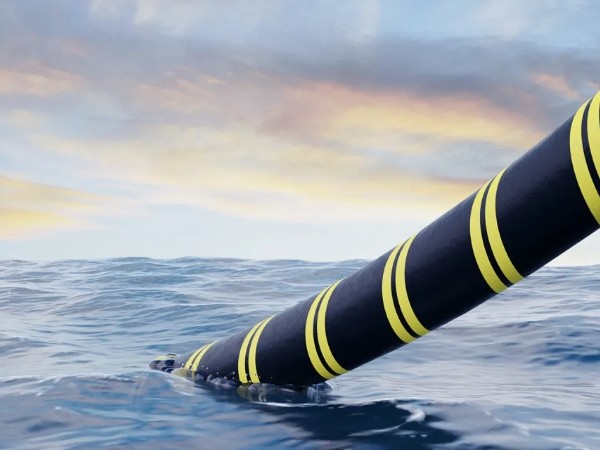
Submarine internet cable
In summary, and submarine internet cable It is much more than a simple cable at the bottom of the sea; It is a critical infrastructure that supports global communication. From its origins in 19th century telegraph cables to modern fiber optic systems, These cables have evolved to support the growing demand for connectivity and real-time data..
Its importance is not only limited to technology, but it also has economic implications, social and strategic worldwide. As the world becomes more interconnected, los submarine internet cables They will continue to be fundamental to keep us united, fast and connected.
For queries related to the manufacturer Submarine internet cable, please contact us Dosense Cable.