
Introduction
The modern oil industry depends on technologies capable of operating in extremely demanding environments., characterized by high temperatures, high pressures, presence of corrosive fluids and severe mechanical conditions. Within this context, Electrosubmersible Pumping Systems (ESP Cable, Electric Submersible Pump) They represent one of the most efficient solutions for the artificial extraction of hydrocarbons in oil and gas wells..
One of the most important components within these systems is the power cable., responsible for supplying electrical energy to the submersible motor installed hundreds or even thousands of meters below the surface. Among the different configurations available, he cable ESP plano #2 AWG with EPDM insulation and lead jacket has established itself as a highly reliable alternative for critical applications in onshore and offshore oil fields..
This article analyzes in depth the technical characteristics, advantages, applications, selection criteria and technological trends associated with this type of specialized cable.
What is a flat ESP cable?
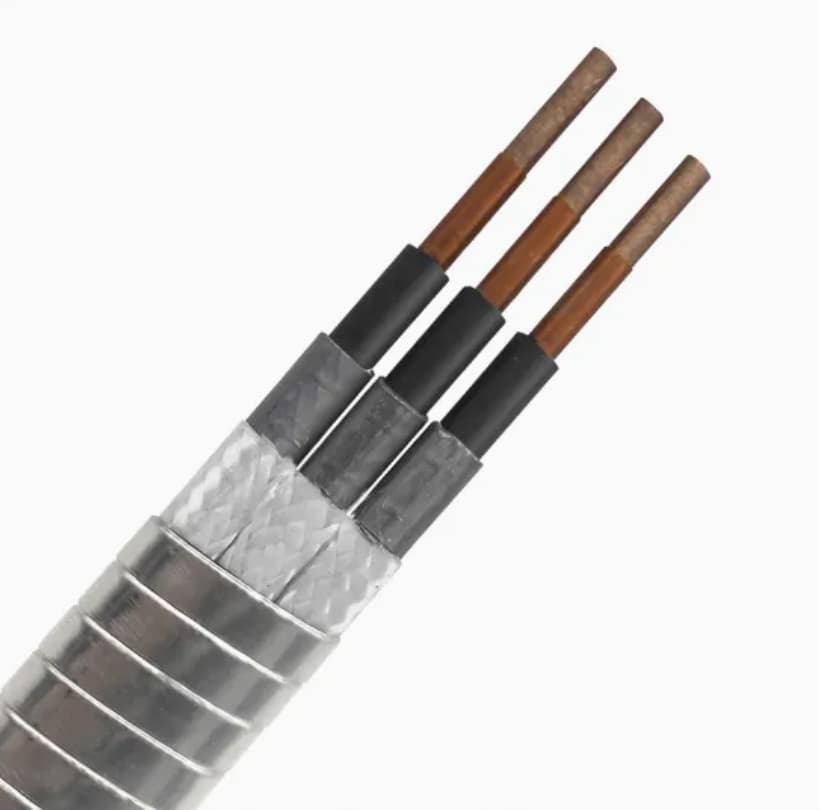
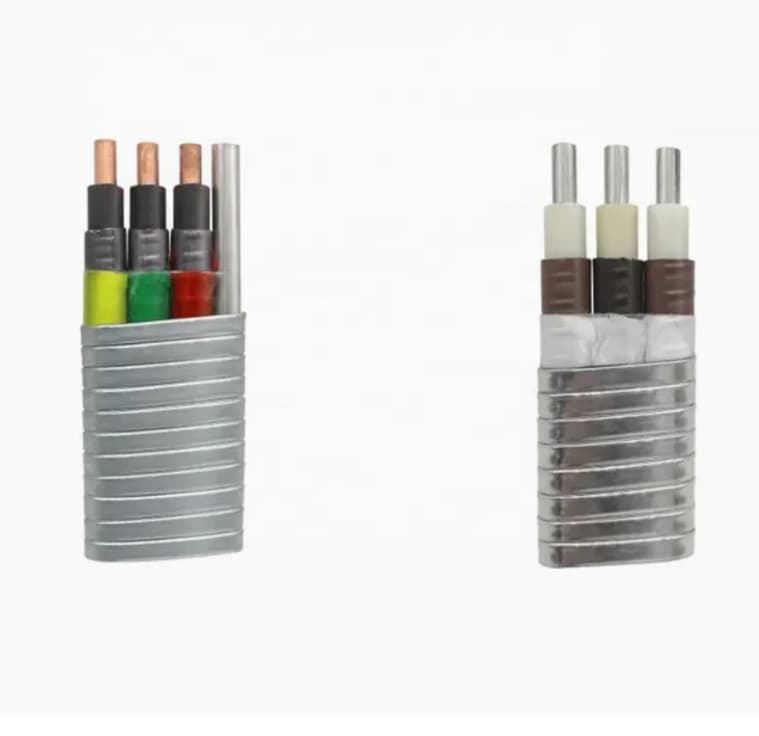
A flat ESP cable is a cable specifically designed to power submersible electric motors used in artificial pumping systems..
Unlike conventional round cables, The flat cable has a compact geometry that optimizes the space available between the production tubing and the well casing.
Flat configuration provides several operational advantages:
- Reduction of the total diameter of the assembly.
- Greater ease of installation.
- Lower risk of mechanical damage.
- Better performance in small spaces.
- Optimization of fluid flow inside the well.
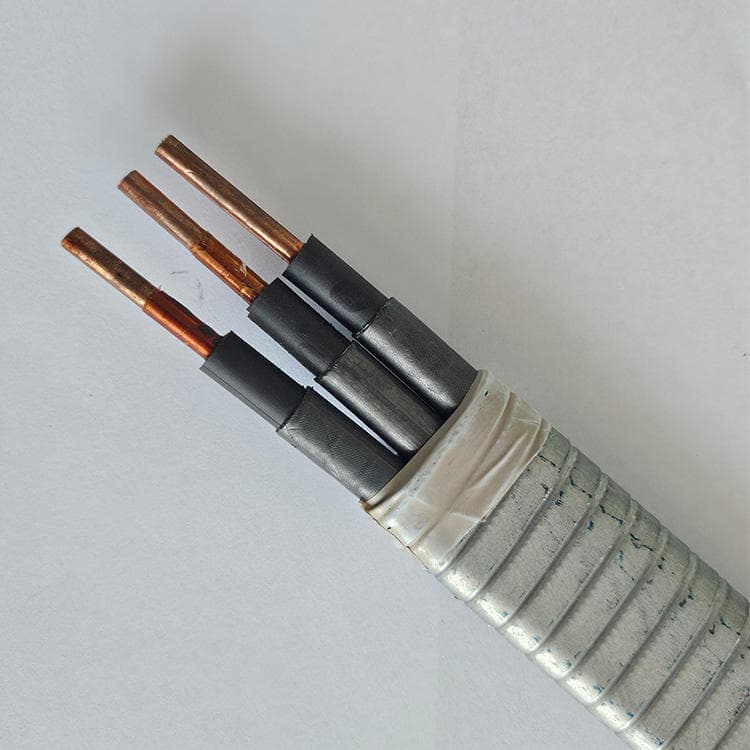
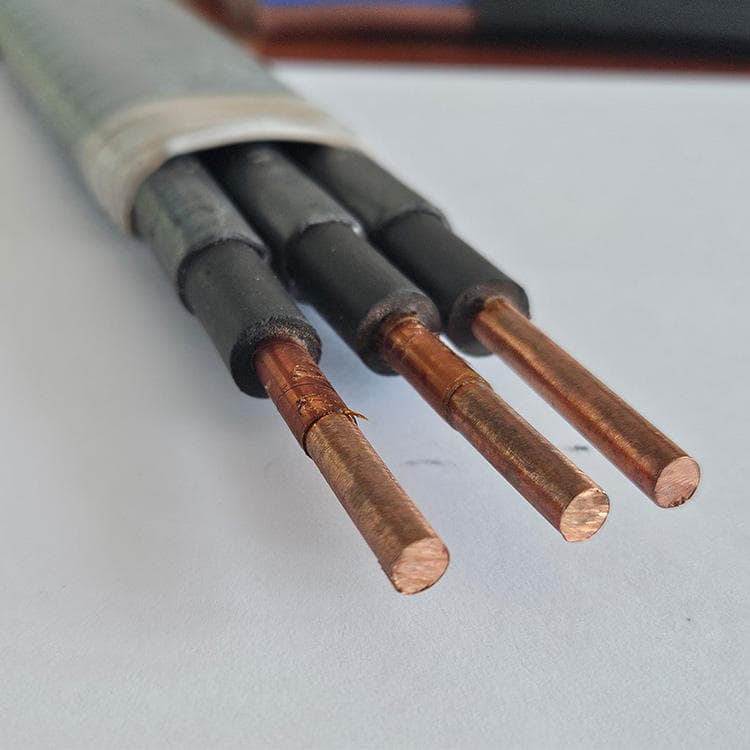
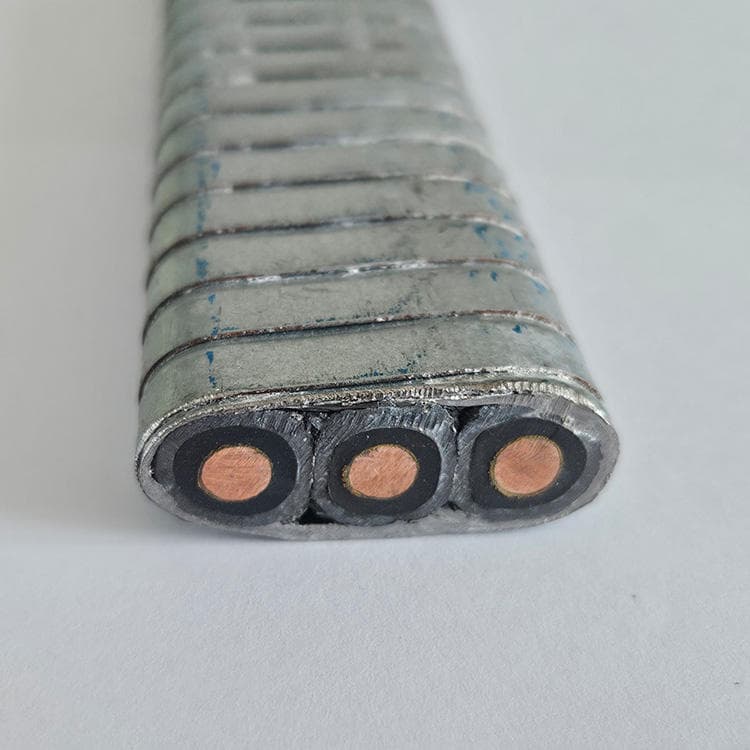
The flat cable is generally composed of three parallel conductors individually insulated and protected by metal layers and external covers specially developed to withstand extreme conditions..
Meaning of #2 AWG
The designation #2 AWG corresponds to the American system of electrical conductor sizes (American Wire Gauge).
The main electrical characteristics of the driver #2 AWG son:
| Parameter | Approximate value |
|---|---|
| Nominal section | 33,6 mm² |
| Conductor diameter | 6,54 mm |
| DC resistance | 0,513 Oh/km |
| Admissible current | Temperature dependent |
| Typical material | tinned copper |
This size driver is widely used in medium and high power ESP systems, providing a proper balance between current capacity, electrical losses and mechanical flexibility.
In deep oil operations, Proper gauge selection is essential to minimize voltage drops and improve system energy efficiency.
EPDM insulation
One of the most important elements of the cable is the insulation.
In this case, the material used is EPDM (Ethylene Propylene Diene Monomer).
EPDM is a synthetic elastomer widely recognized for its excellent thermal and chemical properties..
Among its main advantages are:
Excellent thermal resistance
EPDM insulation can operate continuously at elevated temperatures.
Depending on the formulation used, can bear:
- 120 °C
- 150 °C
- 180 °C
- even more than 200 °C in special designs.
This is particularly important in deep wells where bottom temperatures can exceed the 160 °C.
Superior chemical resistance
Oil wells frequently contain:
- Heavy hydrocarbons
- CO₂
- H₂S
- brines
- aromatic compounds
- stimulation fluids
EPDM has high stability against numerous aggressive chemical agents.
Flexibility
The material maintains its elasticity during long periods of operation.
This feature reduces the risk of cracks or premature degradation.
Excellent dielectric behavior
The electrical properties of EPDM allow a high level of insulation to be maintained even under severe humidity and pressure conditions..
Long lifespan
The thermal aging of EPDM is considerably lower than that of other traditional materials.
This translates into lower maintenance and replacement costs..
lead jacket
The presence of a lead jacket constitutes one of the distinctive aspects of this type of ESP cable.
Lead continues to be one of the most effective materials for protection in highly corrosive oil environments..
Its benefits include:
Absolute gas barrier
One of the biggest challenges in ESP applications is the penetration of gases into the insulation..
Gas migration can cause:
- partial downloads;
- insulation deterioration;
- loss of dielectric strength;
- premature failures.
Lead acts as a virtually impermeable barrier.
Protection against H₂S
Hydrogen sulfide is one of the most aggressive contaminants present in some deposits.
The lead jacket offers exceptional resistance to this compound.
Hydrocarbon resistance
Lead has high compatibility with various production fluids.
Can withstand continuous exposure to:
- crude oil;
- condensates;
- heavy oils;
- emulsions.
Additional mechanical protection
Although it does not constitute structural reinforcement, lead jacket provides additional defense against moderate mechanical stress.
Greater reliability
In offshore applications and in highly complex wells, Operators continue to prefer lead-sheathed cables due to their excellent operating history.
Typical cable construction
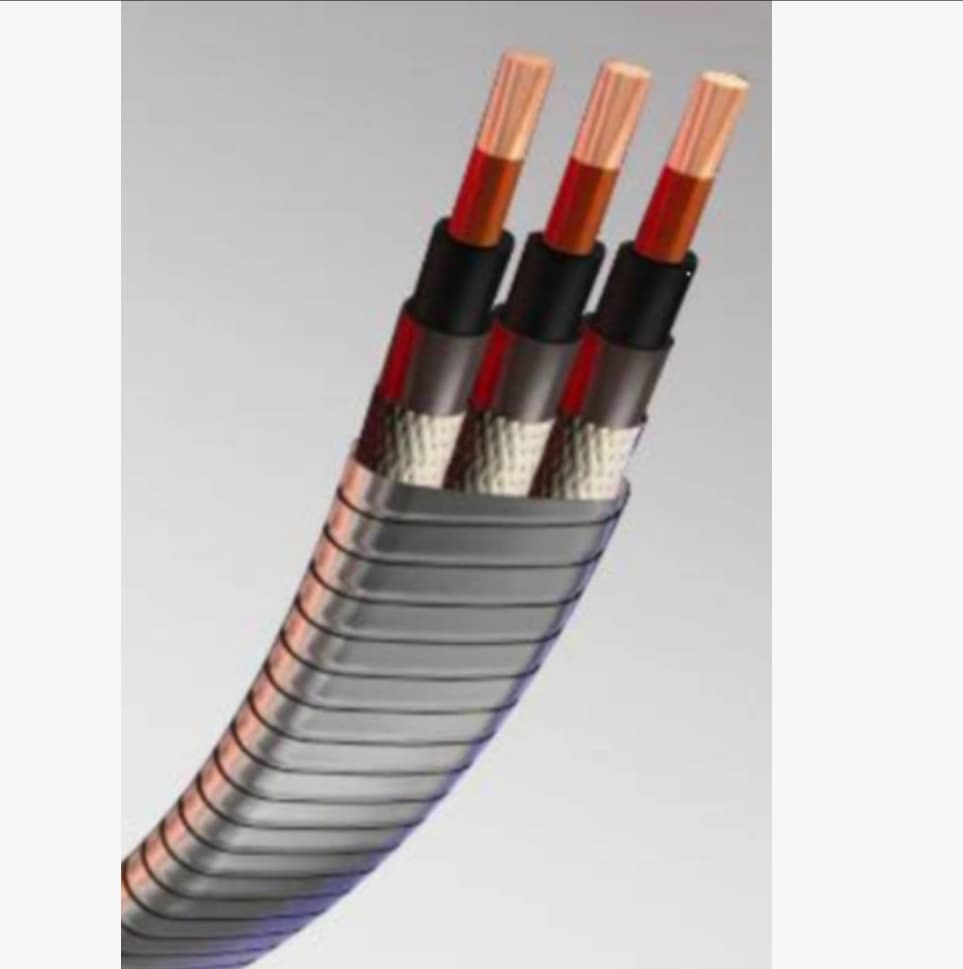
The structure of a flat ESP cable #2 AWG with EPDM insulation and lead jacket usually includes:
Conductor
Generally made of annealed copper.
Common options:
- bare copper;
- tinned copper;
- nickel plated copper.
semiconducting layer
Allows the electric field to be uniform.
Reduces stress concentrations.
Improves insulation lifespan.
EPDM insulation
Applied through controlled extrusion processes.
Designed thickness according to nominal stress.
metal lead barrier
Continuous extrusion around insulation.
Guarantees total tightness.
protective tape
Provides mechanical cushioning.
Reduces abrasion.
metal armor
Depending on the design, it may incorporate:
- galvanized steel;
- stainless steel;
- Monel;
- special alloys.
External cover
Some designs include additional layers of protection.
Especially in extremely aggressive environments.
Main applications
This type of cable finds application in numerous production scenarios.
Deep oil wells
Depths greater than 3000 meters require cables with high mechanical and thermal resistance.
EPDM combined with lead is an excellent solution.
Offshore production
Offshore platforms demand components with maximum reliability.
Replacing a defective cable represents extremely high costs.
For this reason, the robustness of the cable is essential.
High temperature wells
Geothermal fields and deep deposits have very high temperatures.
EPDM insulation maintains its properties for long periods.
Wells with acid gas
The presence of H₂S requires the use of corrosion-resistant materials.
Lead jacket offers outstanding protection.
Wells with high gas-oil ratio
Gaseous migration is a common problem.
The metal barrier significantly minimizes this phenomenon.
Advantages over other types of insulation
In the ESP industry there are various insulation alternatives.
Among them stand out:
- EPDM
- EPR
- XLPE
- PEEK
- fluoropolymer
Comparatively, EPDM has many advantages.
In front of the XLPE
Greater flexibility.
Better performance at elevated temperatures.
Greater resistance to dynamic aging.
Conventional EPR Front
Greater thermal stability.
Better performance in the presence of certain hydrocarbons.
Longer useful life.
Against fluoropolymers
Lower cost.
Simpler manufacturing process.
Greater commercial availability.
Cable Selection Considerations
The proper choice of ESP cable directly influences the reliability of the pumping system.
The most relevant factors include:
Maximum temperature
The actual operating temperature at the bottom of the well must be considered..
Installation depth
At greater depth they increase:
- tensile stress;
- suspended weight;
- mechanical requirements.
motor voltage
ESP systems typically operate between:
- 3 kV
- 5 kV
- 7 kV
The thickness of the insulation depends on this parameter.
chemical environment
It is necessary to evaluate:
- H₂S concentration;
- CO₂ content;
- presence of chlorides;
- crude oil characteristics.
Expected useful life
Many operators look for operating cycles longer than five years.
More than ten years of service are frequently required in offshore projects..
Applicable tests
Manufacturers carry out multiple tests to ensure product quality.
Among them:
Applied voltage test
Check dielectric integrity.
Partial downloads
Allows detection of microscopic defects.
insulation resistance
Evaluate electrical behavior.
Thermal aging
Simulates real conditions of prolonged operation.
Chemical Compatibility
Determines stability against aggressive fluids.
Gas permeability test
Especially important for cables with metal sheath.
mechanical test
Includes:
- elongation;
- tensile strength;
- flexibility.
ESP cable installation
Correct installation is as important as the quality of the cable itself.
General recommendations include:
Careful handling
Avoid shocks during transport.
Do not drag on abrasive surfaces.
Minimum curvature radio
Must be strictly adhered to.
Excessive curvatures can cause internal damage.
Protection during descent
Use appropriate protectors.
Avoid crushing.
Tension control
The applied mechanical stress must be kept within established limits.
Prior inspection
Before installing it is recommended to verify:
- continuity;
- insulation resistance;
- visual integrity.
Future trends
The oil industry continues to evolve.
The new generations of ESP cables incorporate significant advances.
Among them:
High temperature materials
Elastomers capable of operating above 250 °C.
Integrated sensors
Allow real-time monitoring.
Temperature.
Deformation.
Electrical condition.
Advanced metal roofs
Special alloys seek to partially replace lead.
Reducing environmental impact.
Digitization
Integration with intelligent predictive maintenance systems is a growing trend.
Greater energy efficiency
Reducing electrical losses represents a priority for international operators.
International ESP Cable Market
Global demand continues to grow.
Driving factors:
- increased secondary recovery;
- exploitation of mature deposits;
- offshore development;
- need to optimize production.
Among the main international manufacturers are companies specialized in oil and gas solutions with decades of experience in highly complex applications..
Latin America represents one of the markets with the greatest growth potential due to the development of fields in:
- Mexico;
- Brazil;
- Colombia;
- Argentina;
- Ecuador.
In addition, The Middle East maintains a strong demand for cables resistant to high temperatures and corrosive environments.
Conclusion
He cable ESP plano #2 AWG with EPDM insulation and lead jacket It constitutes a highly reliable technological solution for electrosubmersible pumping systems installed in extreme environments..
The combination of the excellent thermal behavior of EPDM with the extraordinary sealing capacity and chemical resistance of lead allows obtaining a product capable of operating for long periods under severe temperature conditions., pressure and chemical exposure.
Its use contributes significantly to improving operational continuity, reduce well interventions and reduce costs associated with corrective maintenance.
As the energy industry moves towards deeper operations, complex and demanding, This type of cable will continue to play an essential role in optimizing global oil production.
Invest in cables ESP High quality not only increases system reliability, but also represents an effective strategy to maximize the profitability of energy assets in the long term.