
Introduction
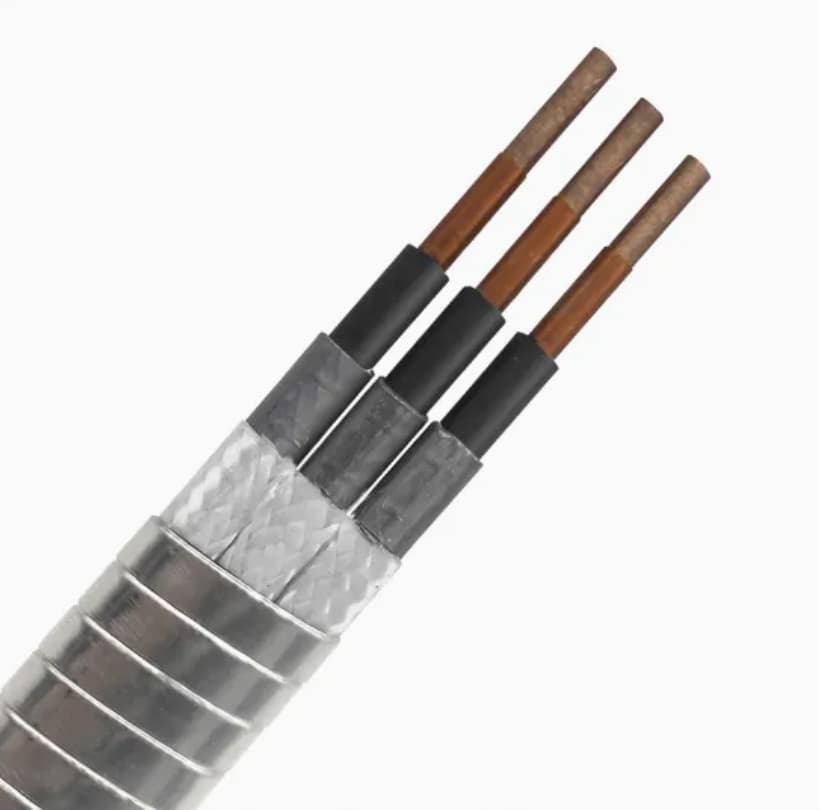
He ESP Cable Plano #6 AWG with EPDM insulation and lead jacket It is one of the most important components in Electrosubmersible Pumping systems. (ESP, Electric Submersible Pump). These systems are widely used in the oil industry to extract crude oil from deep wells where other production methods are less efficient..
The reliability of an electrosubmersible pump largely depends on the quality of the power cable.. A cable designed to withstand high temperatures, High pressure and corrosive environments can extend system life, reduce maintenance costs and minimize downtime.
Thanks to its robust construction, the flat cable #6 AWG with EPDM insulation and lead jacket offers an excellent combination of electrical performance, chemical resistance and mechanical protection, becoming an ideal solution for demanding applications in onshore and offshore oil fields.
What is an ESP Flat Cable?
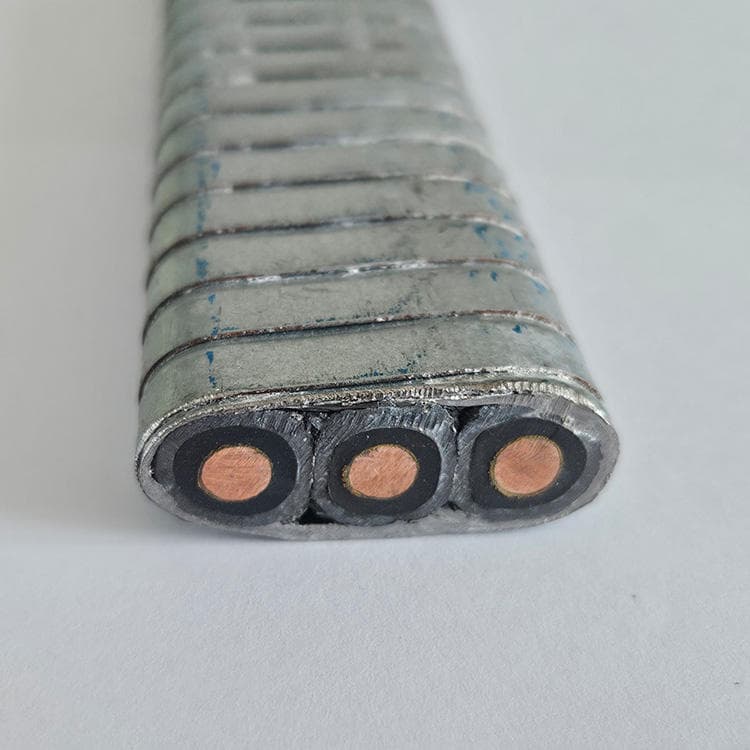
An ESP Flat Cable is an electrical cable specially designed to supply power to the motor of an electrosubmersible pump installed at the bottom of a well..
Unlike round cables, flat configuration reduces footprint between production tubing and well casing. This feature facilitates installation and reduces the risk of damage during lowering and recovery operations..
The caliber #6 AWG Provides adequate current carrying capacity for numerous oil production applications, offering at the same time an excellent combination of flexibility and resistance.
Construction of the ESP Cable #6 AWG with EPDM and Lead Jacket
Cable structure is designed to withstand extreme conditions over long periods of operation.
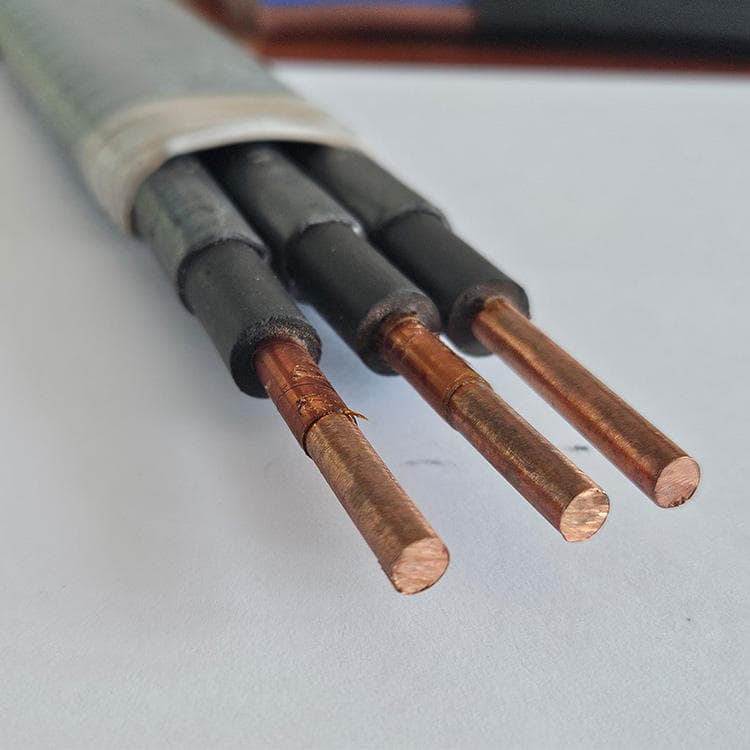
copper conductor
Conductors are typically made from high-purity electrolytic copper to ensure excellent electrical conductivity and minimize energy losses..
EPDM insulation
EPDM insulation (Ethylene Propylene Diene Monomer) It is widely recognized for its ability to withstand elevated temperatures and aggressive environments.
Among its advantages are:
- Excellent thermal resistance.
- High dielectric strength.
- Great flexibility.
- Aging resistance.
- Good behavior against chemicals.
lead jacket
The lead jacket constitutes a highly effective barrier against:
- saline water.
- hydrogen sulfide (H₂S).
- Carbon dioxide (CO₂).
- Hydrocarbons.
- Humidity.
- corrosive gases.
This protection helps preserve insulation properties and significantly increases cable life..
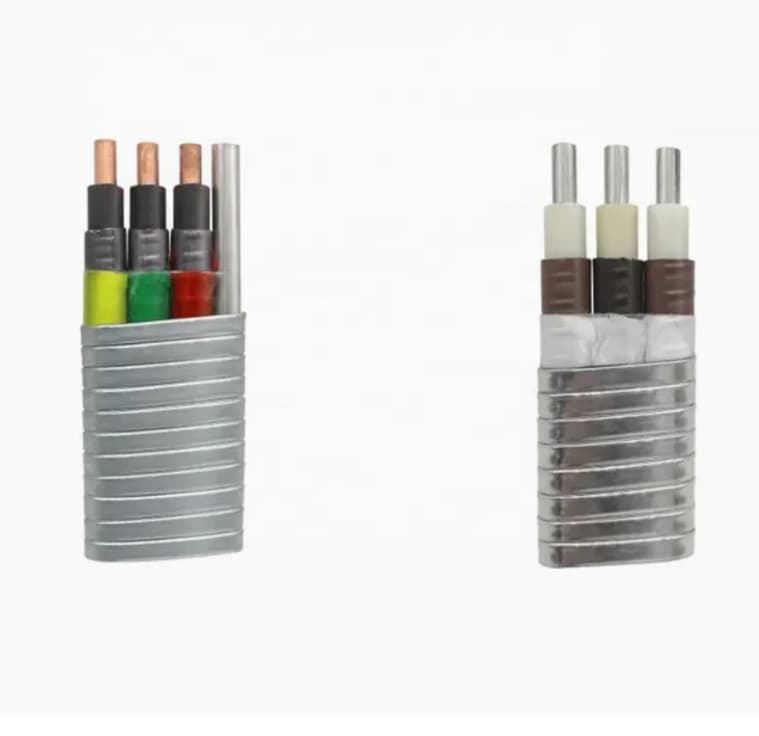
Outer armor
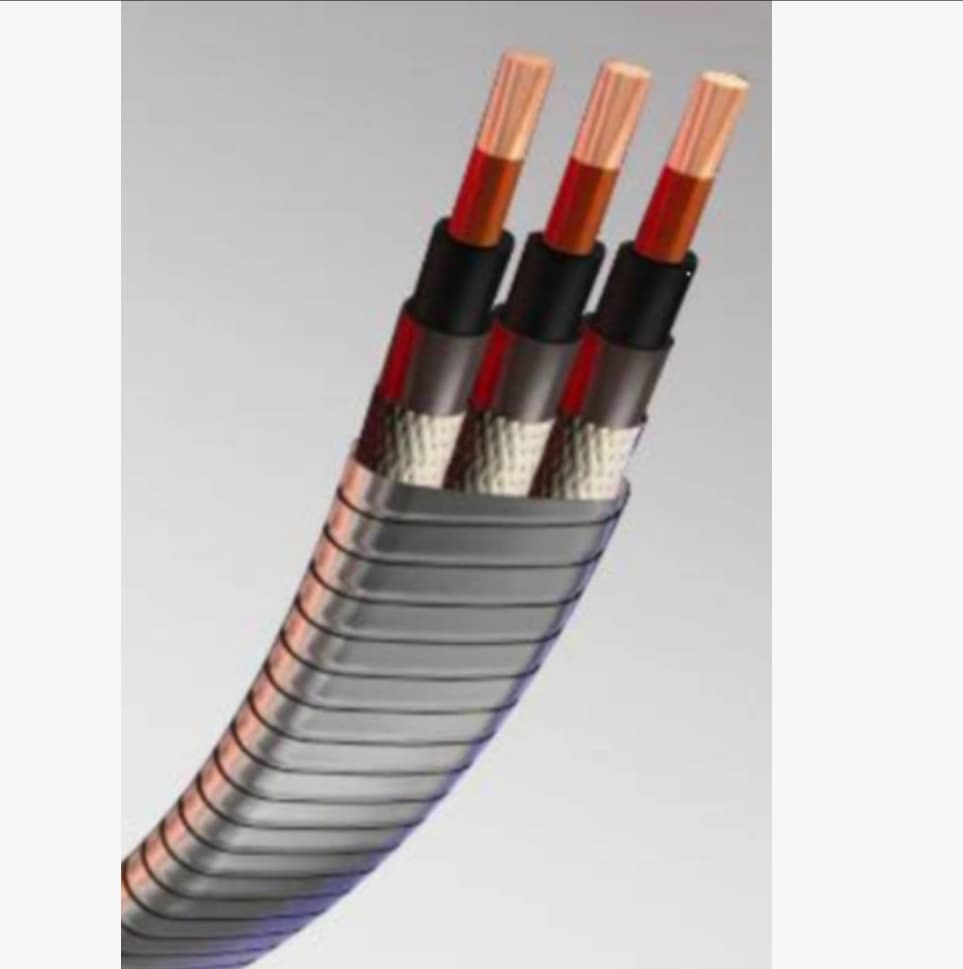
Depending on the application, Cable may incorporate galvanized steel or stainless steel armor to provide additional mechanical protection against impacts, abrasion and tensile stress.
Typical Technical Specifications
| Parameter | Valor |
|---|---|
| Cable type | ESP Plano |
| Calibre | #6 AWG |
| Drivers | 3 |
| Material conductor | Copper |
| Isolation | EPDM |
| Moisture protection | lead jacket |
| Rated voltage | Until 5 kV |
| Maximum temperature | Up to 230°C |
| Application | ESP systems |
| Installation | oil wells |
Exact specifications may vary depending on project and manufacturer requirements.
Advantages of EPDM Insulation
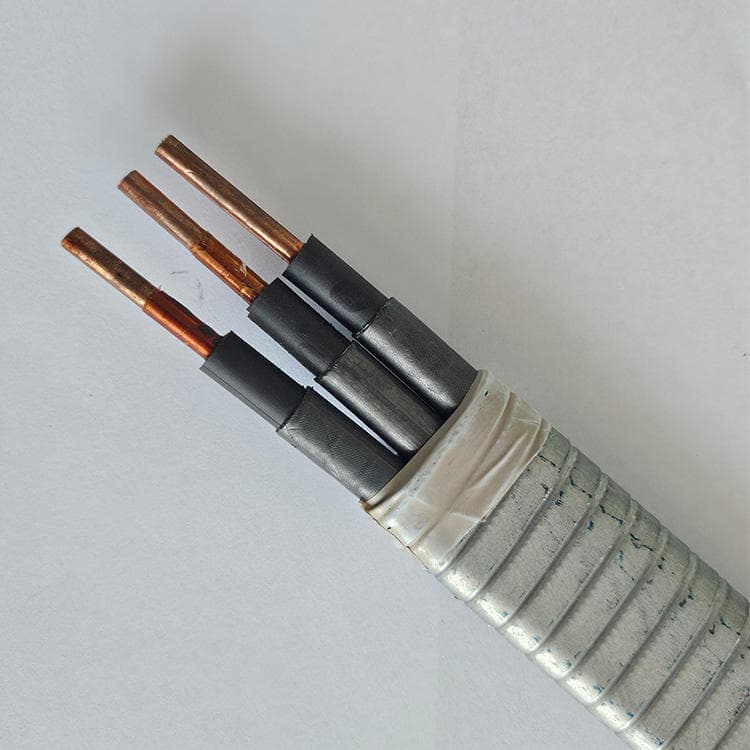
EPDM is one of the most used materials in cables for electrosubmersible pumps due to its excellent physical and electrical properties..
Superior thermal resistance
Deep wells can reach extremely high temperatures. EPDM retains its mechanical and electrical properties even under severe conditions.
Excellent dielectric stability
Good dielectric strength helps prevent electrical shock and premature system failure.
Flexibility
Flexibility makes cable installation easier and reduces the risk of damage during handling.
Long lifespan
Aging resistance allows the cable to maintain stable performance for many years of service.
Benefits of the Lead Jacket
The presence of a lead jacket is a highly valued feature in petroleum applications.
Protection against aggressive fluids
Many wells contain chemicals capable of deteriorating conventional materials. Lead acts as an effective barrier against these agents.
Reduced risk of failure
By preventing the penetration of moisture and corrosive gases, the chances of short circuits and insulation damage are reduced.
Greater operational reliability
Additional protection helps maintain continuous and stable operation of the ESP system.
Applications of ESP Flat Cable #6 AWG
This type of cable is used in a wide variety of industrial environments.
Oil production
It is the most common application. The cable supplies power to the pump motor installed at the bottom of the well.
Offshore oil fields
Offshore platforms require equipment capable of withstanding highly corrosive environments and extreme conditions..
High temperature wells
EPDM insulation allows operation in environments where other materials could deteriorate quickly.
Wells with the presence of corrosive gases
The combination of EPDM and lead provides exceptional protection against H₂S and CO₂.
Differences between Flat Cable and Round Cable
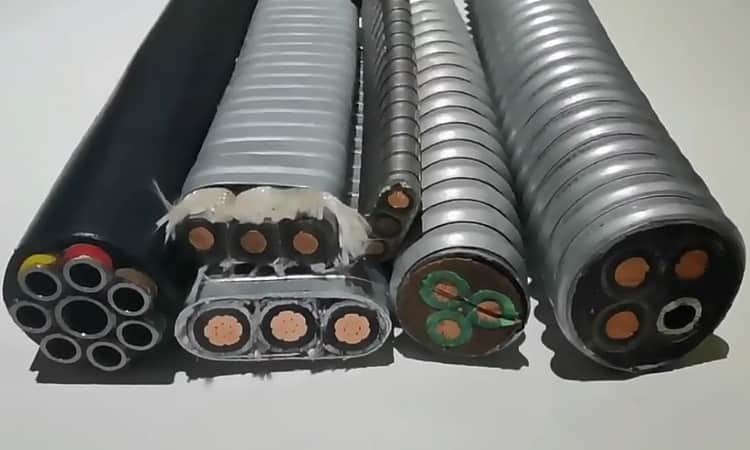
Use of space
Flat cable takes up less space inside the well.
Better installation
Flat shape makes it easy to tie to production tubing.
Lower risk of mechanical damage
Even cable distribution helps reduce pressure points during installation.
Excellent electrical performance
Both designs offer similar performance, but flat cable is usually preferred when available space is limited.
Factors for Selecting the Correct Cable
Choosing the right cable depends on several factors..
well temperature
It is essential to select an insulation capable of withstanding the maximum expected temperature.
Operating voltage
The voltage level must match the requirements of the ESP motor.
Well depth
The depth influences the voltage drop and the mechanical load on the cable.
Presence of chemicals
If there are aggressive fluids, the lead jacket may be indispensable.
Expected useful life
A higher quality cable usually represents a higher initial investment, but can significantly reduce operating costs in the long term.
Installation and Good Practices
To maximize cable life it is important to follow proper installation procedures.
- Avoid excessive curvature radii.
- Handle the cable carefully.
- Inspect armor before installation.
- Use compatible accessories.
- Check electrical continuity.
- Perform insulation tests before putting the system into service.
Correct installation can prevent numerous future operational problems.
Maintenance and Monitoring
Although ESP cables are designed to work for long periods without intervention, regular monitoring remains important.
Preventive inspections allow detecting:
- Abnormal temperature increases.
- Insulation problems.
- Current variations.
- Possible mechanical damage.
Early detection of anomalies helps avoid costly production downtime.
Frequently Asked Questions
Why choose EPDM insulated ESP cable?
Because it offers excellent thermal resistance, electrical stability and long life in harsh environments.
What is the function of the lead jacket??
Protects the cable against moisture, corrosive gases and aggressive fluids present in the well.
Is flat cable better than round cable?
Depends on the application. In small spaces, flat design is usually the preferred option.
What temperature can it withstand?
Depending on the specific design, can operate up to approximately 230°C.
Where is it mainly used?
In electrosubmersible pumping systems for oil and gas production.
Conclusion
He ESP Cable Plano #6 AWG with EPDM Insulation and Lead Jacket is a reliable solution for electrosubmersible pumping applications in demanding conditions. Its combination of high quality copper conductors, High temperature resistant EPDM insulation and an effective lead barrier against corrosive agents provides outstanding performance in onshore and offshore wells.
When selecting an ESP cable, It is essential to consider factors such as temperature, voltage, depth and chemical composition of well fluids. Choosing the right cable not only improves operational efficiency, but also contributes to reducing maintenance costs and maximizing production throughout the life of the system..