
In today's digital age, submarine cables are the backbone of global communications. More than 95 % of international data traffic circulates through these infrastructures that cross oceans and seas. Choose a Submarine cable manufacturer with experience, technology and execution capacity is a strategic decision for governments, telecommunications operators and technology companies. Faced with the growing demand for global connectivity, Both China and Europe have developed robust industries in this field. But what are the technical differences, commercial and strategic between a Submarine cable manufacturer in China and one in Europe?
Analyzing technological capabilities, quality standards, project experience, innovation, after-sales support, costs, geopolitical impact, sustainability and future trends.
1. Introduction: importance of submarine cables
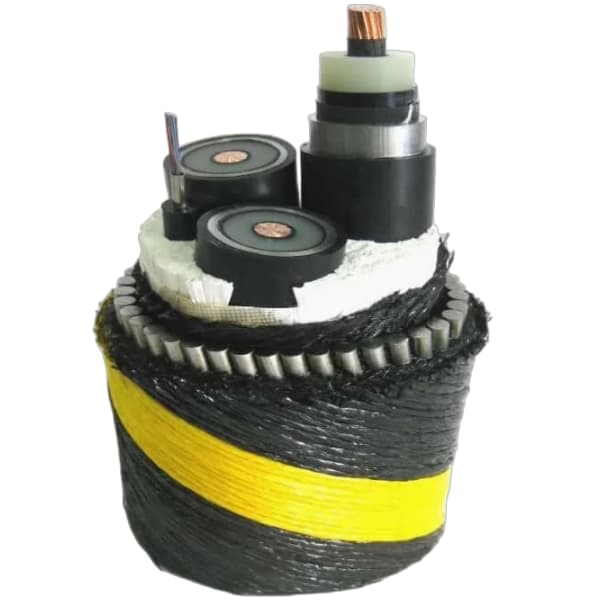
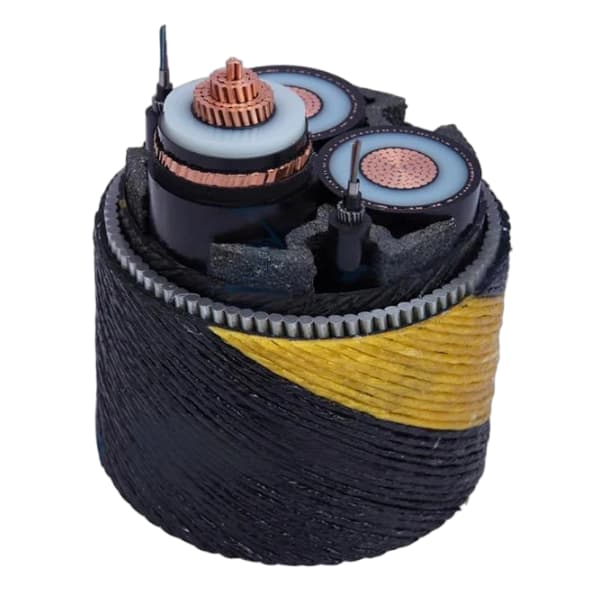
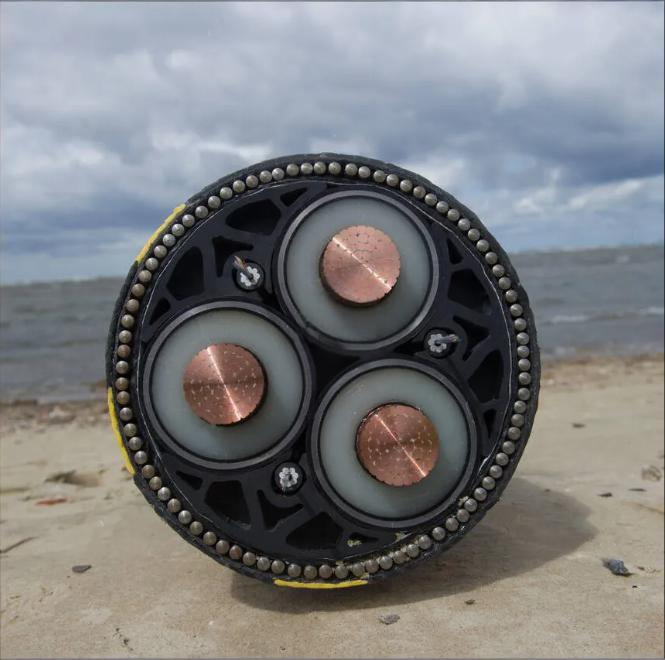
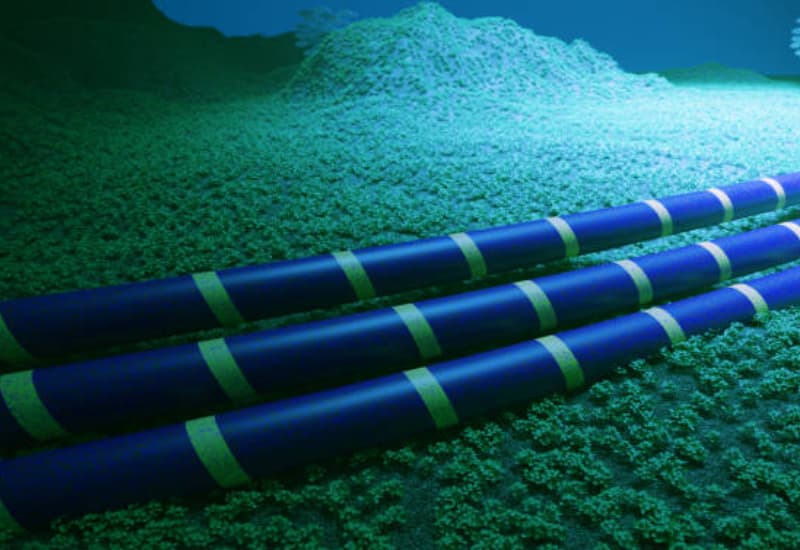
Submarine cables are not simple threads laid under the sea. They are complex systems that integrate advanced optical technology, specialized mechanical design and protection for harsh environments. A typical submarine cable incorporates:
- Multiple high capacity optical fibers.
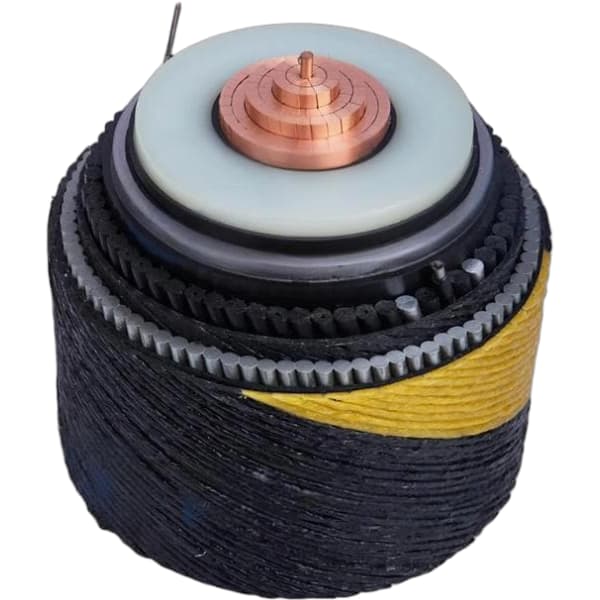
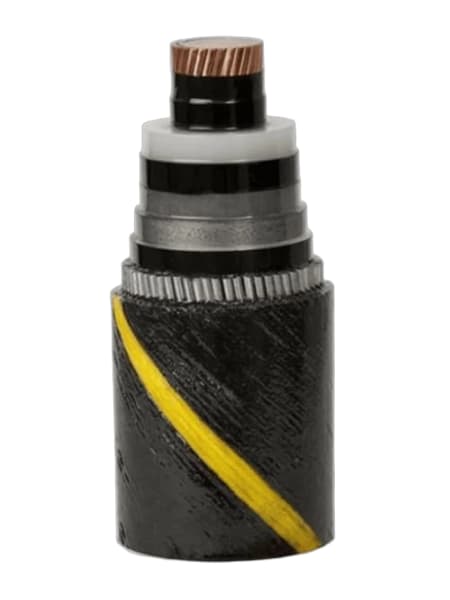
- Mechanical shielding appropriate to depth and risks.
- Optical amplifiers and repeaters.
- Monitoring and fault protection system.
The competition between Submarine cable manufacturer in China and Europe has direct implications on the quality of global infrastructure.
2. Panorama general: Chinese vs European industry
2.1 Chinese industry
China has emerged as a dominant player in submarine cable production over the past two decades.. Its accelerated industrial development, investment in research and development (I+D) and large-scale production capacity have consolidated several Chinese companies as global players.
Chinese manufacturers are distinguished by:
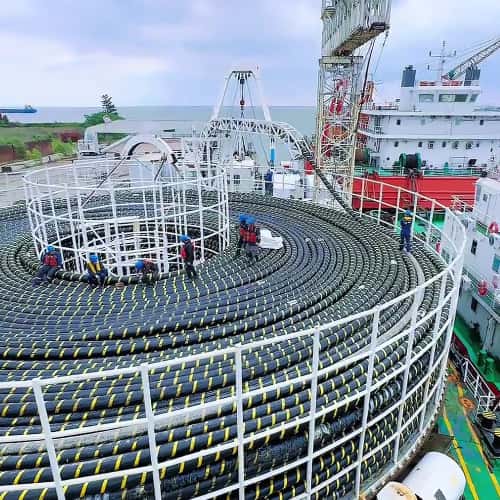
- Large volume production capacity.
- Integrated supply chains.
- Competitive prices.
- Participation in regional and transcontinental projects.
2.2 European industry
Europe has a longer tradition in telecommunications projects, including undersea cables connecting Europe to Africa, America and Asia. Los Submarine cable manufacturers in Europe They tend to focus on high-end innovation, Strict compliance with international standards and customized solutions.
Typical characteristics of the European industry:
- Focus on cutting-edge R&D.
- Certifications and rigorous regulatory compliance.
- Highly complex projects.
- Collaboration with universities and research centers.
3. Technological capabilities compared
One of the main differences between a Submarine cable manufacturer in China and one in Europe is in fiber optic technology and materials.
3.1 Fiber optics and transmission
The transmission capacity depends on:
- Fiber type (monomodo, multimode).
- amplification technology.
- Transmission channel density.
China has focused on producing optical fibers with high capacity, but has traditionally imported key technologies or developed them through international partnerships.
Europa, for his part, has led advances in:
- Low attenuation fiber.
- Latest generation optical amplifiers.
- Wavelength Division Multiplexing (DWDM) advanced.
This allows European manufacturers to offer solutions with greater spectral efficiency and lower signal loss on extremely long routes..
3.2 Materials and mechanical protection
Submarine cables operate in aggressive environments: extreme temperature, ocean pressure, marine fauna, erosion and risk of anchors or trawling.
- China has developed robust armor adapted to great depths, taking advantage of industrial experience in steel production, custom polymers and shields.
- Europa has innovated in advanced composite materials, corrosion resistance and protection against electromagnetic interference.
In this aspect, both approaches are effective, although the choice depends on the geographical profile of the cable route.
4. Standards and certifications
Technical standards ensure reliability, interoperability and quality.
4.1 European and global certifications
Los Submarine cable manufacturers in Europe They usually comply strictly with international regulations such as:
- ISO 9001 (quality management).
- ISO 14001 (environmental management).
- IEC/ITU standards for underwater optical systems.
Besides, The European Union promotes regulatory frameworks for interoperability and sustainability.
4.2 Certifications in China
Chinese manufacturers have adopted the same global certifications with increasing rigor, although historically, compliance in practice has varied depending on the provider.. However, In recent years, China has:
- Increased quality audits.
- Equated its processes to international standards.
- Promoted specific certifications for underwater telecommunications.
5. Experience in global projects
Practical experience is a decisive factor when selecting a Submarine cable manufacturer.
5.1 Europe in transoceanic projects
Europe has a long history of running cables that cross:
- Atlantic (Europe–America)
- Europe–Africa
- Europe–Asia (passing through the Middle East)
European manufacturers have faced complex technical challenges — such as extreme depth changes and adverse ocean conditions — providing proven and highly documented solutions..
5.2 China and its recent expansion
China has increased its participation in global projects, especially in Asia, Africa and Oceania. Its success is based on:
- Competitive prices.
- Large scale production equipment.
- Government support for global infrastructure projects.
Although its experience on extremely long or technically complex routes is still developing compared to Europe, has advanced rapidly.
6. Innovation and technological development
6.1 Research and collaboration in Europe
European manufacturers often collaborate with universities and research centers, generating:
- News in ultra-low attenuation fiber optics.
- Intelligent real-time monitoring systems.
- Energy efficient solutions for optical repeaters.
Besides, European programs such as Horizon Europe finance advanced connectivity projects.
6.2 Technological development in China
China has invested heavily in innovation to compete globally. Their strategies include:
- Vertical integration of the production chain.
- Development of own materials and shielding.
- Rapid adoption of new international technologies.
Although there is still a gap in ultra-specialized areas, the pace of innovation is accelerated.
7. Technical support and maintenance
Submarine cables require continuous monitoring and specialized maintenance.
7.1 European support
European manufacturers usually provide:
- Preventive maintenance management.
- Technical teams in multiple geographic areas.
- Failure analysis with artificial intelligence.
- Robust incident response plans.
This level of support is essential to minimize disruptions on critical paths..
7.2 Chinese support
Chinese suppliers also offer complete technical services, although in some cases:
- Local presence outside Asia may be lower.
- Outsourcing of maintenance services depends on the contract.
Nevertheless, Support has improved significantly in recent years, with regional technical centers and strategically located spare parts.
8. Costs and business models
Cost comparison is inevitable.
8.1 Costs of Chinese manufacturers
China tends to offer more competitive prices due to:
- Economies of scale.
- Cheaper labor and production.
- Efficient logistics chains.
This can translate into lower initial investment, especially on large projects.
8.2 European costs
European manufacturers usually have:
- Higher costs in production and support.
- Prices reflecting high specialization and regulatory compliance.
- More flexible financing models in some cases.
Although the initial cost may be higher, some European companies offer value-added solutions and extended warranties.
9. Geopolitical and strategic impact
9.1 Europe and its alliances
Europa, as an economic block, prioritize:
- Reliable infrastructure.
- Technological independence.
- Collaborations with international allies.
This has influenced the preference for providers that share security and privacy standards..
9.2 China and its global expansion
China has promoted infrastructure projects under initiatives such as the New Digital Silk Road, facilitating investments in Africa, Asia and South America. This has strengthened its presence as Submarine cable manufacturer, although it has generated geopolitical debates regarding data sovereignty and technological dependence.
10. Sustainability and environmental responsibility
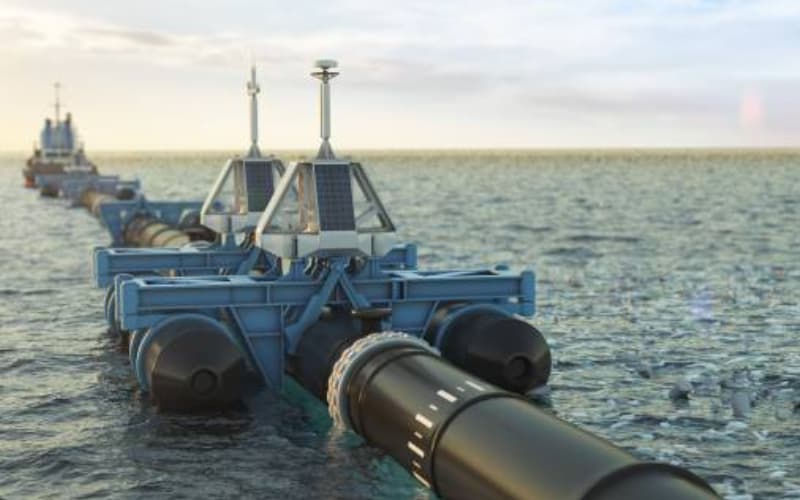
The implementation of submarine cables impacts marine ecosystems.
10.1 European approach
Europe emphasizes:
- Detailed environmental impact studies.
- Routes that avoid critical ecological zones.
- Recyclable materials.
- Marine protection programs.
10.2 Chinese approach
China has also adopted environmental regulations, although application may vary by region and project. In many cases, Chinese companies are incorporating better environmental practices to compete globally.
11. Comparative case studies
11.1 Europe–America Route: European manufacturers as pillars
Key transatlantic cables have been led or co-led by Submarine cable manufacturer in Europe, with decades of experience and multinational participation.
11.2 Asia–Africa Connectivity: growing Chinese participation
On routes connecting Asia with Africa and the Middle East, Chinese manufacturers have played an important role, offering competitive solutions in cost and delivery times.
12. Strategic choice: who wins?
There is no universal winner. The choice depends on:
- Project length and complexity
- Europe can excel on very technical routes.
- China offers advantages in large-scale projects.
- Budget
- China offers more competitive options.
- Europe offers high added value solutions.
- Regulations and safety
- Europe strictly complies with global regulatory standards.
- Support and maintenance
- Europe offers extensive global presence.
- China is expanding its international support network.
13. Recommendations for selecting a submarine cable manufacturer
13.1 Define technical requirements from the beginning
Includes:
- Fiber optic capacity
- Adequate shielding
- amplification technology
13.2 Request formal proposals (RFP)
Compare:
- Experience
- Certifications
- After-sales support
- Total costs
13.3 Evaluate environmental and regulatory impact
Ensure compliance with local and international environmental standards.
13.4 Review proven international experience
Success stories and references are essential to mitigate risks.
14. Conclusion
The comparison between a Submarine cable manufacturer in China vs Europe There is no absolute “best” answer.. Both have important strengths:
- China stands out for its production capacity, competitive pricing and strategic global expansion.
- Europa excels in innovation, experience in complex projects, regulatory compliance and comprehensive support.
The decision between one or the other will depend on your technical priorities., budgetary and strategic. The essential thing is to carry out a complete evaluation, based on solid technical criteria, understanding the geopolitical context and considering the full life cycle of infrastructure.