
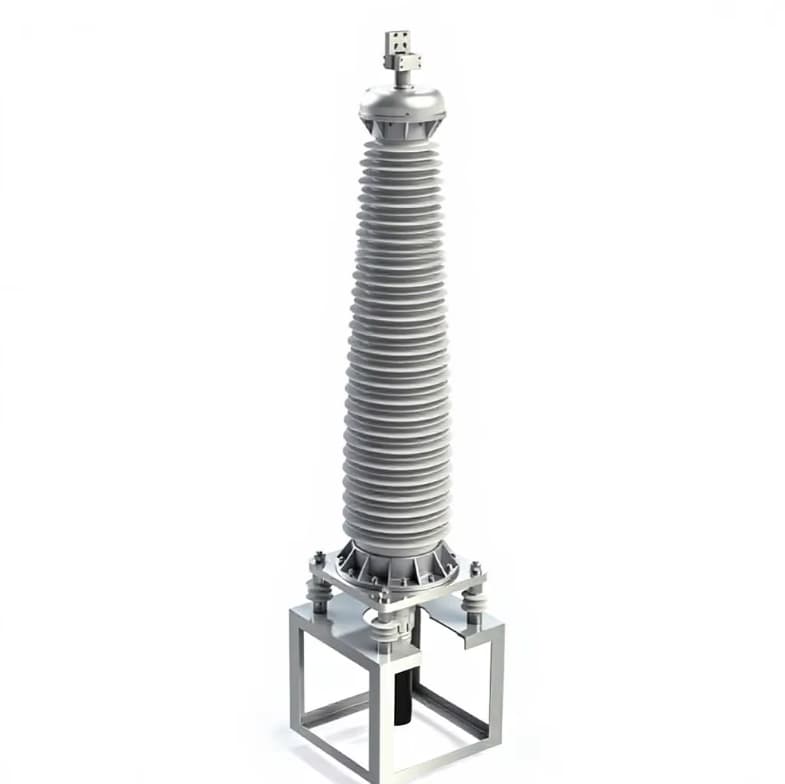
Introduction to the outdoor terminal 230 kV HPFF
He terminal exterior 230 kV HPFF It is a high voltage accessory designed to connect underground electrical transmission cables with equipment installed outside substations.. Used in HPFF systems (High-Pressure Fluid-Filled), a transmission technology that uses a pressurized insulating fluid to maintain the dielectric properties of the cable.
In the electrical networks of 230 kV, The reliability of accessories is essential to ensure a continuous and safe supply. The outer terminal must control the electric field, provide adequate insulation, maintain watertightness and withstand the environmental conditions of outdoor installations.
HPFF systems have historically been used in underground transmission networks, especially in urban areas and in facilities that require a high energy transport capacity. For this reason, Maintenance and replacement of accessories remain important for certain existing electrical networks.
1. What does HPFF mean in high voltage cables?
HPFF is the abbreviation of High-Pressure Fluid-Filled, What does cable with high pressure insulating fluid mean?.
This system uses electrical conductors with impregnated paper insulation and an insulating fluid that is maintained under pressure.. According to the design, Cables may be installed within metal tubing or a containment system specifically designed to withstand operating conditions..
Fluid pressure helps maintain insulation integrity and reduces the risk of void formation that could impair dielectric behavior.
An HPFF system may include the following elements:
- High voltage electrical conductors.
- Impregnated paper insulation.
- Metal covers and protection elements.
- Pipe or containment envelope.
- Insulating fluid and pressure control equipment.
- Cable splices and terminals.
- Fluid monitoring and maintenance systems.
Exact configuration depends on original manufacturer and project specifications.
It is important not to confuse HPFF systems with XLPE cables. Although both are used to transmit energy at high voltage, its insulating materials, structures and installation requirements are different. Therefore, a terminal designed for an XLPE cable cannot automatically be considered compatible with an HPFF cable.
2. What is an external terminal 230 kV?
The outer terminal of 230 kV is the accessory that allows the electrical and mechanical transition between a high voltage cable and external connection equipment..
Its main function is to maintain electrical insulation at the end of the cable., where the electric field can concentrate due to changes in the geometry of conducting and insulating materials.
Besides, The terminal must ensure a reliable electrical connection and prevent moisture, environmental contamination or operating conditions compromise insulation.
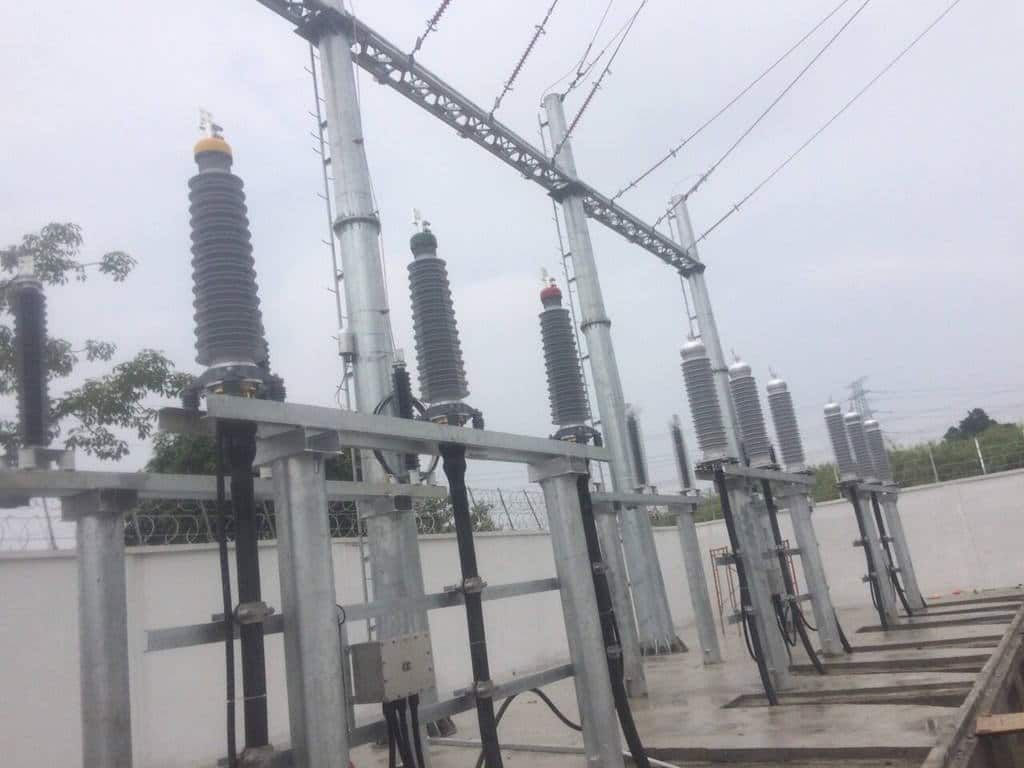
in a substation, the outer terminal can be connected to power transformers, bus bars, maneuvering equipment or overhead lines, as long as the configuration is compatible with the approved design.
For a system of 230 kV, The design must take into account the maximum stress of the system, expected surges, coordination of insulation and environmental service conditions.
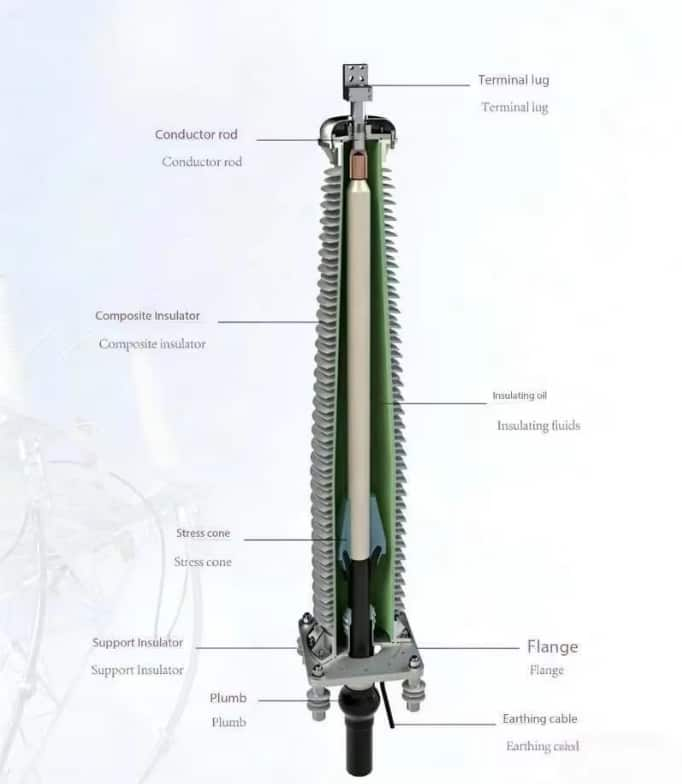
3. Main components of the outer terminal 230 kV HPFF
The structure of an HPFF outdoor terminal may vary depending on the manufacturer. However, There are several fundamental components that must be considered during the technical evaluation.
3.1. Electrical connection terminal
The connection terminal allows the cable conductor to be connected to the external electrical equipment.
Its design depends on the conductor material, its cross section, Rated current and connection dimensions. A bolted connection or a compression system can be used, according to approved design.
A properly sized connection reduces contact resistance and limits heating during normal operation.
3.2. Electrical insulation system
Insulation provides the necessary dielectric separation between energized parts and grounded structures.
At the end of the cable, control of the electric field is especially important. Improper design can cause partial discharges, progressive deterioration of insulation and, in serious cases, an electrical fault.
For this reason, The terminal must be compatible with the original insulation system of the HPFF cable and meet the electrical requirements established for the project.
3.3. Outer insulator
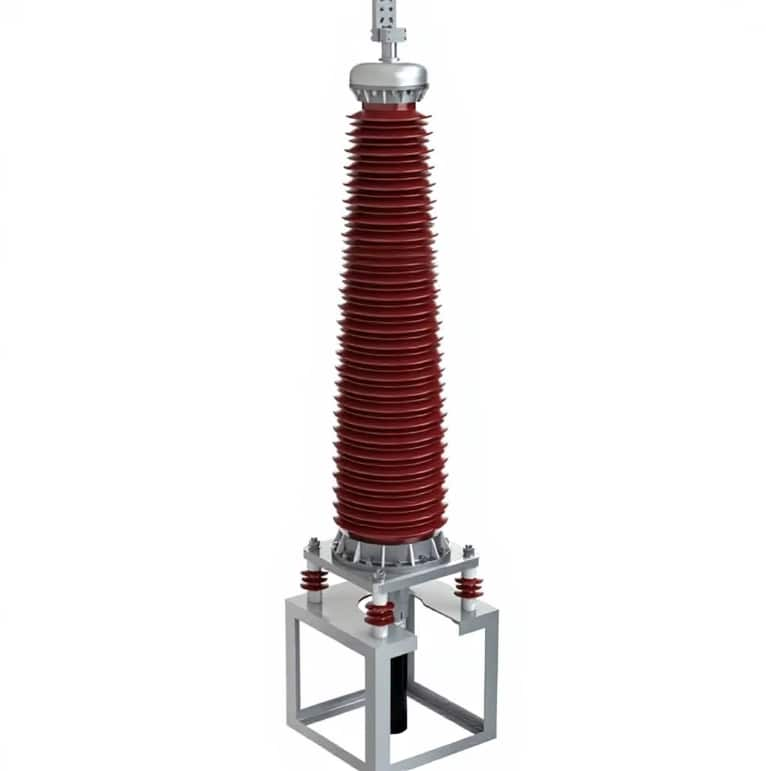
The outer insulator provides insulation between the high voltage conductor and the grounded support structure.
Depending on the design, Porcelain or a composite material suitable for high stress applications can be used.
Selection must consider mechanical resistance, the creepage distance, the level of pollution, exposure to ultraviolet radiation and weather conditions.
In coastal or industrial areas, surface contamination can reduce insulation performance. Therefore, The creepage distance and behavior of the insulator must be verified according to the actual installation conditions.
3.4. Sealing system
The sealing system is especially important in HPFF terminals because it must maintain the integrity of the insulating fluid circuit..
Gaskets and sealing elements must be compatible with the fluid used and with the specified pressure and temperature ranges..
A leak can affect the operation of the system, Therefore, inspection of joints and connections should be part of maintenance procedures..
3.5. Support and grounding structure
The support structure keeps the terminal in the intended position and transmits the mechanical loads to the foundation.
In addition, Grounding connections must be made in accordance with the approved electrical design. An incorrect layout can compromise the safety of workers and the operation of the facility..
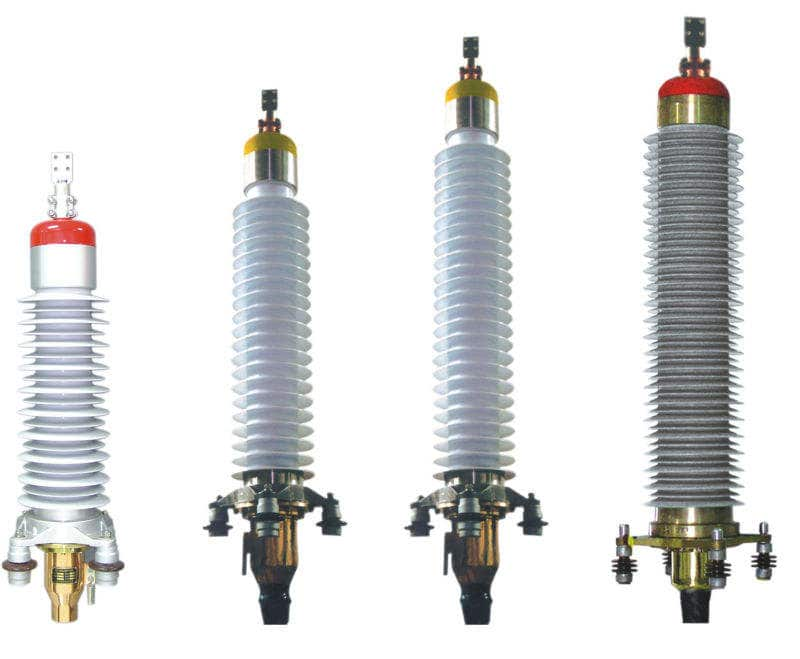
4. Outdoor Terminal Applications 230 kV HPFF
The outer terminal 230 kV HPFF can be used in different electrical transmission installations, as long as its design is compatible with the corresponding cable system.
Transmission substations
At the substations, The terminal connects underground circuits with outdoor electrical equipment.
Before selecting the product, it is necessary to check the dimensions of the interface, the separation between phases, installation height and connection mechanical requirements.
Urban underground electrical networks
In big cities, Underground networks allow energy to be transported in areas where the installation of overhead lines is difficult due to space limitations or urban planning requirements..
Some existing networks use HPFF technology. In these cases, The outer terminals continue to be important components for connecting cables to transformation and transmission facilities..
Maintenance of existing HPFF systems
Many current applications of HPFF terminals are related to modernization, repair or replacement of existing installations.
When a terminal shows aging, leaks or deterioration of insulation, it may be necessary to evaluate its replacement.
However, It is not enough to select a product that has the same nominal voltage. Cable construction should also be checked, the pressure system, electrical connections and mounting dimensions.
The original plans, identification plates and maintenance records can greatly facilitate this process.
5. Technical parameters for selecting an outdoor terminal 230 kV HPFF
Selection of a high voltage terminal should be based on the electrical requirements, mechanical and environmental aspects of the project.
The following parameters are especially important:
| Parameter | Aspects to be verified |
|---|---|
| Nominal voltage | System Compatibility 230 kV |
| Maximum system voltage | Insulation level required for equipment |
| Frequency | 50 Hz or 60 Hz |
| Cable type | Original HPFF cable construction |
| Driver material | Copper, aluminum or other specified configuration |
| Driver section | Connection Terminal Compatibility |
| Rated current | Required transport capacity |
| Isolation level | Withstand voltages and insulation coordination |
| Outer insulator | Material, mechanical resistance and creepage distance |
| fluid system | Fluid Compatibility, operating pressure and tightness |
| Environmental conditions | Temperature, altitude, humidity and pollution |
| Installation | Dimensions, supports, connections and available space |
| Essays | electrical tests, applicable mechanical and sealing |
The nominal voltage of 230 kV alone does not determine all test values or terminal dimensions. These data must be confirmed by the project specifications, applicable standards and manufacturer's documentation.
It is also important to check that the testing requirements apply to the complete HPFF system and not to an accessory designed for another cable technology..
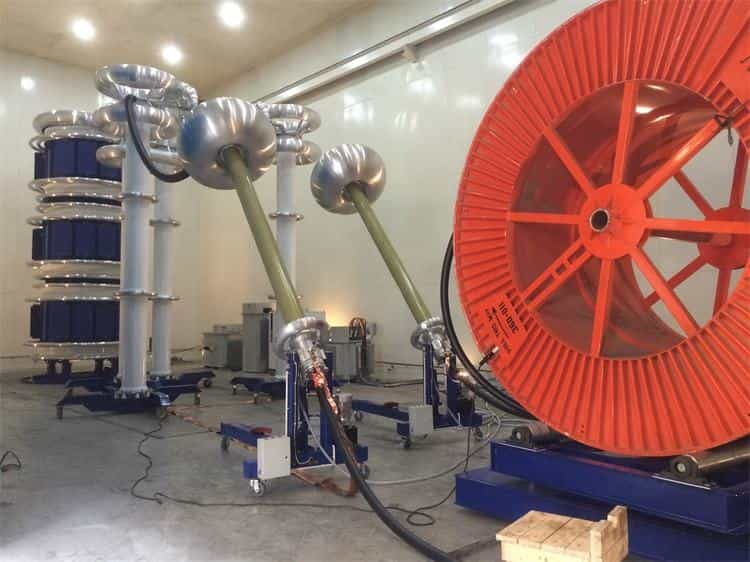
6. Outdoor Terminal Installation Requirements 230 kV HPFF
Correct installation is essential to ensure the reliability of the terminal during its useful life.
First of all, It must be verified that the product supplied corresponds to the approved design. Dimensions, materials and interfaces must match installation drawings.
Next, The cable must be prepared strictly following the manufacturer's instructions. In HPFF systems, Insulation and fluid handling requires specific procedures and qualified personnel.
During assembly, contact surfaces must be controlled, gaskets and sealing elements. pollution, Mechanical damage or incorrect mounting may affect the performance of the accessory.
The following aspects should also be verified:
- The alignment of the terminal and its support structure.
- Correct execution of electrical connections.
- The tightening of the joints according to the specified values.
- Continuity of ground connections.
- The integrity of the containment and sealing system.
- Compatibility of connections with substation equipment.
Before commissioning the installation, Inspections and tests provided for in the approved procedure must be carried out.
Due to the risks associated with 230 kV and pressurized fluid circuits, The installation must be carried out by specialized personnel and with the corresponding safety measures..
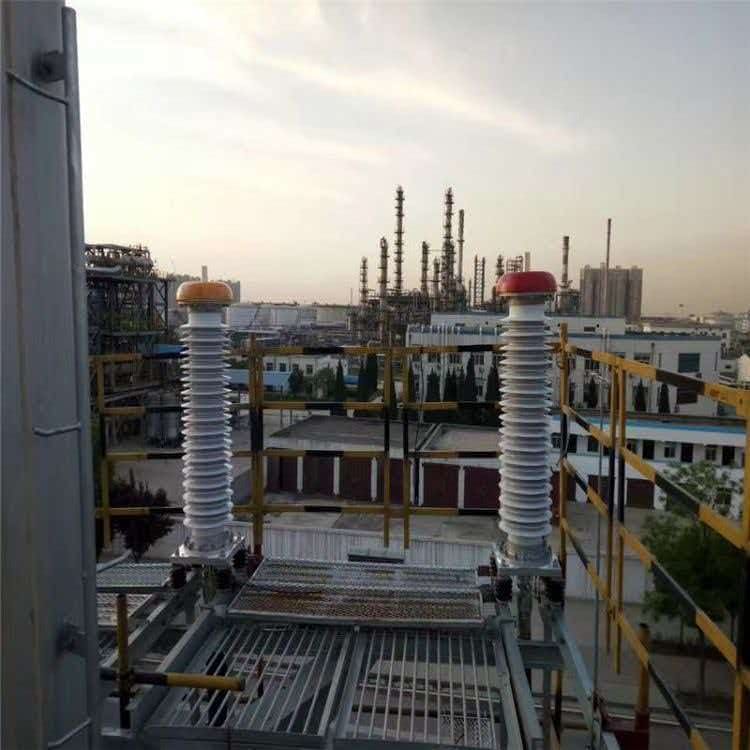
7. Testing and quality control
Quality control allows you to verify that the terminal meets the requirements specified for your application..
Specific tests depend on the design, applicable standards and contractual scope. Among the aspects that can be evaluated are the following.
electrical tests: They verify the insulation capacity of the terminal and its behavior against the specified test voltages.
Partial discharge tests: when applicable, allow evaluating certain deficiencies of the insulating system.
Mechanical verification: Verifies that components and connections meet established mechanical requirements.
Leakage tests: allow verification of the integrity of interfaces and sealing systems where appropriate to the design.
Dimensional inspection: confirms that the mounting and connection dimensions comply with the approved drawings.
Document review: includes certificates, test reports, installation instructions and traceability records.
For existing HPFF systems, It may also be necessary to review the original manufacturer's documentation and establish a specific replacement validation procedure..
Not all tests are applicable to all designs. That's why, Inspection and testing plan must be agreed before manufacturing or supply.
8. Outdoor terminal maintenance 230 kV HPFF
Preventive maintenance helps detect problems before they affect circuit availability.
Inspections should be performed in accordance with power company procedures and manufacturer's recommendations.
During inspections the condition of the insulator can be reviewed, the presence of surface contamination, signs of corrosion, the condition of the connections and the integrity of the sealing elements.
In HPFF systems, It is also important to monitor parameters related to the insulating fluid and system pressure, depending on the installation design.
Any sign of leak, abnormal heating, mechanical damage or deterioration of the insulation must be evaluated by specialized personnel.
Inspection intervals depend on the age of the equipment, Environmental conditions, the operating history and maintenance requirements of the electric company.
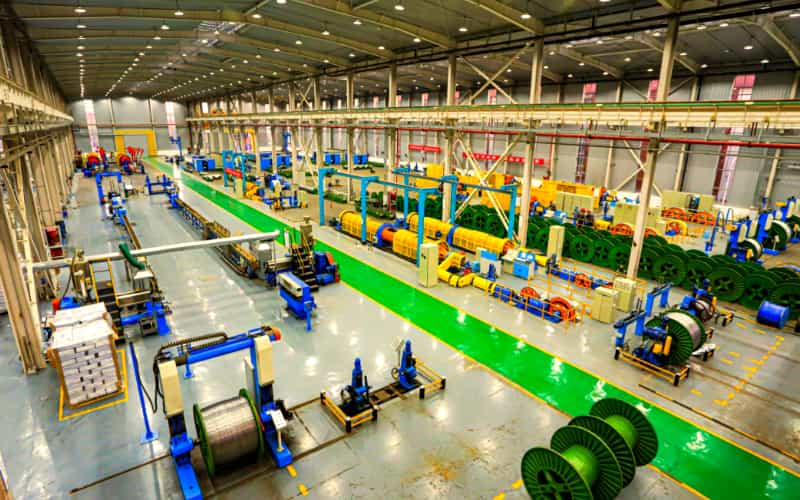
9. How to choose a supplier of external terminals 230 kV HPFF?
The selection of the supplier must consider both the technical capacity and the compatibility of the product with the existing system.
First of all, It is advisable to request information about the manufacturer's experience in high voltage accessories and, especially, in HPFF systems. Experience with XLPE terminals does not alone demonstrate compatibility with a pressurized fluid cable installation.
In second place, the supplier must review the plans, electrical parameters and operating conditions before confirming the technical solution.
It is also advisable to request documentation about the materials, las interfaces, installation procedures and applicable tests.
For replacement projects, The availability of original drawings and reference samples can facilitate the manufacture of a compatible accessory.
Before issuing a purchase order, the buyer should confirm the scope of supply, accessories included, inspection requirements and documents to be delivered with the product.
A complete technical evaluation helps reduce the risks of incompatibility, installation delays and maintenance costs.
Conclusion: Dosense Cable, your electrical solutions provider
He terminal exterior 230 kV HPFF It is an essential component for connecting certain high-voltage underground cable systems with substation equipment. Its selection requires verifying compatibility with the original cable, insulation requirements, pressure conditions and installation parameters.
At Dosense Cable we are suppliers of power cables and electrical accessories for energy transmission and distribution projects.. We offer solutions for industrial clients, electric companies, distributors and contractors of electrical projects. If you are looking for a supplier for your project 230 kV HPFF, You can contact Dosense Cable and send us the technical specifications, drawings and supply requirements to assess your needs and offer you a suitable solution for your project.