
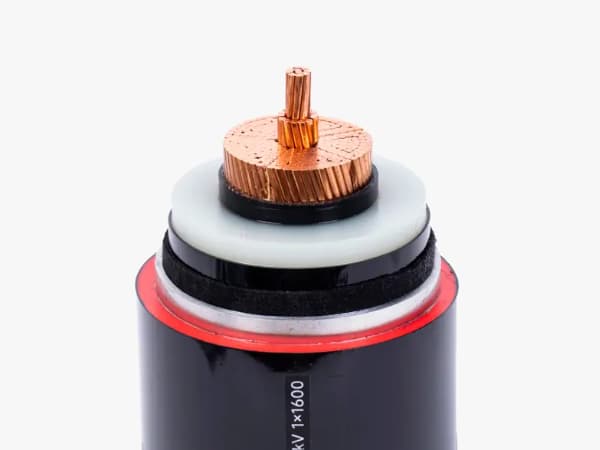
Introduction to 220kV cable
The modern electrical system depends on high-voltage cables capable of transmitting large amounts of energy stably., safe and efficient. Among them, he 220kV Cable It is considered one of the most used products in urban transmission networks, substations, industrial projects, renewable energies and underground long distance lines.
220kV cables are critical components in energy infrastructure because they allow electricity to be transported over long distances with lower electrical losses.. Thanks to its advanced insulation and shielding design, These cables withstand harsh environmental conditions, high temperatures and high stress levels.
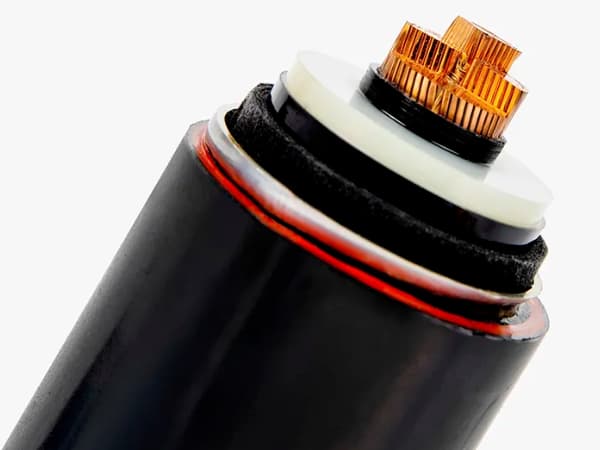
In recent years, Global demand for 220kV cables has grown rapidly due to:
- Expansion of urban electrical networks
- Development of solar and wind parks
- Substation modernization
- Replacement of overhead lines with underground cables
- Increase in industrial energy consumption
In this article we will analyze in depth:
- What is a 220kV cable
- Types and structures
- Specialized manufacturer
- Kits and accessories
- Factors affecting price
- Instalation and maintenance
- Global market trends
What is a 220kV Cable?
A 220kV cable is a high voltage cable designed to transmit electrical energy at a nominal voltage of 220 kilovolts.
Generally used in:
- Electrical transmission networks
- GIS Substations
- Heavy industrial projects
- Renewable energy
- Metropolitan infrastructure
- Petrochemical plants
- Railway networks
Most modern 220kV cables use XLPE insulation (cross-linked polyethylene), due to its excellent electrical and thermal properties.
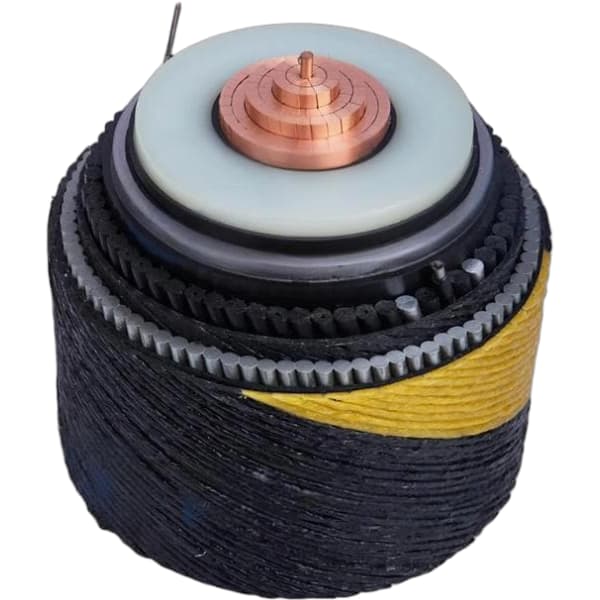
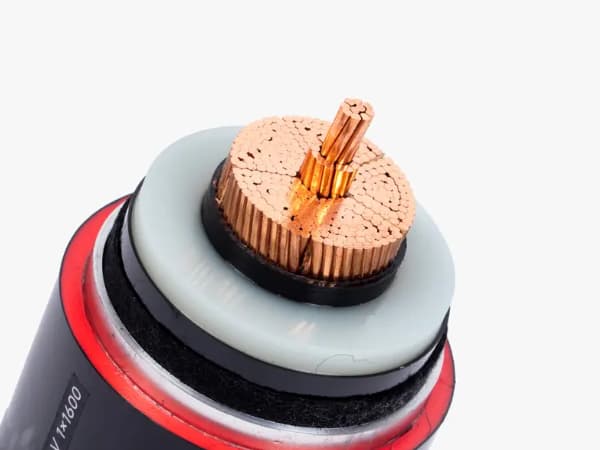
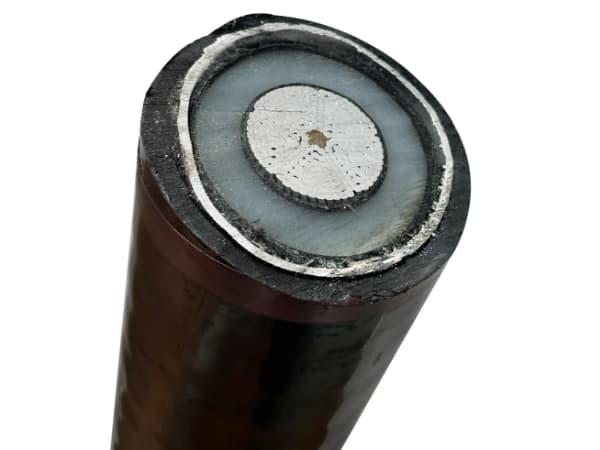
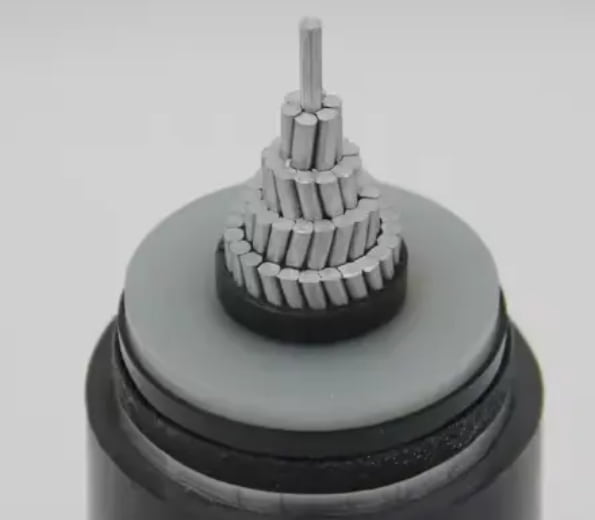
Structure of a 220kV cable
The typical structure includes several layers of protection and insulation.
1. Conductor
The driver can be manufactured in:
- Copper
- Aluminum
Copper offers:
- Higher conductivity
- Lower electrical resistance
- Higher current capacity
Aluminum provides:
- Lower weight
- Lower cost
- Best economical relationship for long distances
2. Internal semiconductor screen
This layer distributes the electric field evenly and avoids voltage concentrations..
3. XLPE insulation
XLPE insulation is currently the global standard for high voltage cables.
Advantages:
- Excellent thermal resistance
- High dielectric strength
- Long lifespan
- Low dielectric loss
- Moisture resistance
4. External semiconductor screen
Helps control the electric field around the insulation.
5. Metal screen
Typically manufactured in:
- copper tape
- copper wires
- corrugated aluminum
Its function is:
- Electromagnetic protection
- Fault current discharge
- Surge protection
6. External cover
The cover protects the cable from:
- Humidity
- Corrosion
- UV radiation
- mechanical impacts
- Chemical substances
The most commonly used materials include:
- PE
- PVC
- LSZH
- HDPE
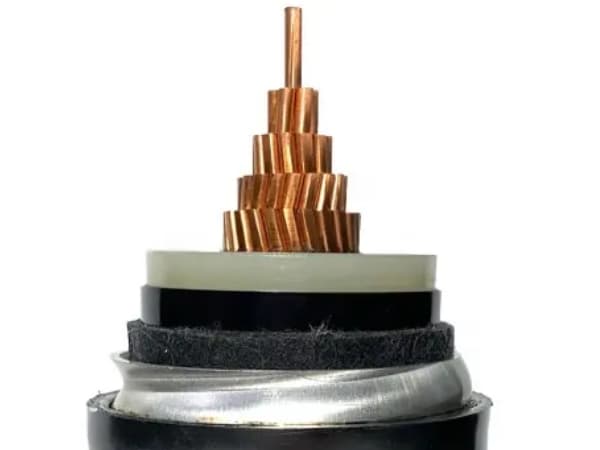
Types of 220kV cables
Cable XLPE de 220kV
It is the most used currently due to:
- High reliability
- Easy installation
- Less maintenance
- Longer useful life
Cable EPR de 220kV
Used in special applications where greater flexibility is required.
220kV submarine cable
Designed for:
- Offshore wind farms
- maritime crossings
- Interconnections between islands
It has special metal armor to resist marine environments.
220kV underground cable
Widely used in modern cities to reduce:
- Visual impact
- Climate risks
- Environmental problems
Applications of 220kV Cable
Urban electrical networks
Modern cities require stable transmission to:
- Shopping centers
- Hospitals
- Metro
- Data centers
- Airports
Renewable energy
Solar and wind projects use 220kV cables to connect:
- Solar plants
- Wind farms
- Lifting stations
- National networks
Heavy industry
Sectors like:
- Steel
- Mining
- Petrochemistry
- Cement
need large electrical transmission capacities.
GIS Substations
GIS systems use 220kV cables with special terminals.
Professional 220kV cable manufacturer
Dosense Cable
Dosense Cable is a manufacturer specialized in high voltage and extra high voltage electrical transmission solutions.
The company offers:
- Cables XLPE de 220kV
- GIS Terminals
- High voltage splices
- Substation accessories
- Complete transmission systems
The products are used in:
- National electrical networks
- Renewable energies
- Industrial projects
- Urban substations
- Energy infrastructure
Among the most important advantages are:
- Strict quality control
- Modern production
- International technical support
- OEM solutions and custom projects
- Experience in international projects
Kits and accessories for 220kV cables
A high voltage cable system requires much more than the main cable.
Kits include essential components to ensure safety and stability.
220kV terminals
They allow you to connect the cable to:
- Substations
- Transformers
- GIS equipment
There are two main types:
Terminal exterior
Designed for open environments.
Terminal GIS
Used in gas-encapsulated substations.
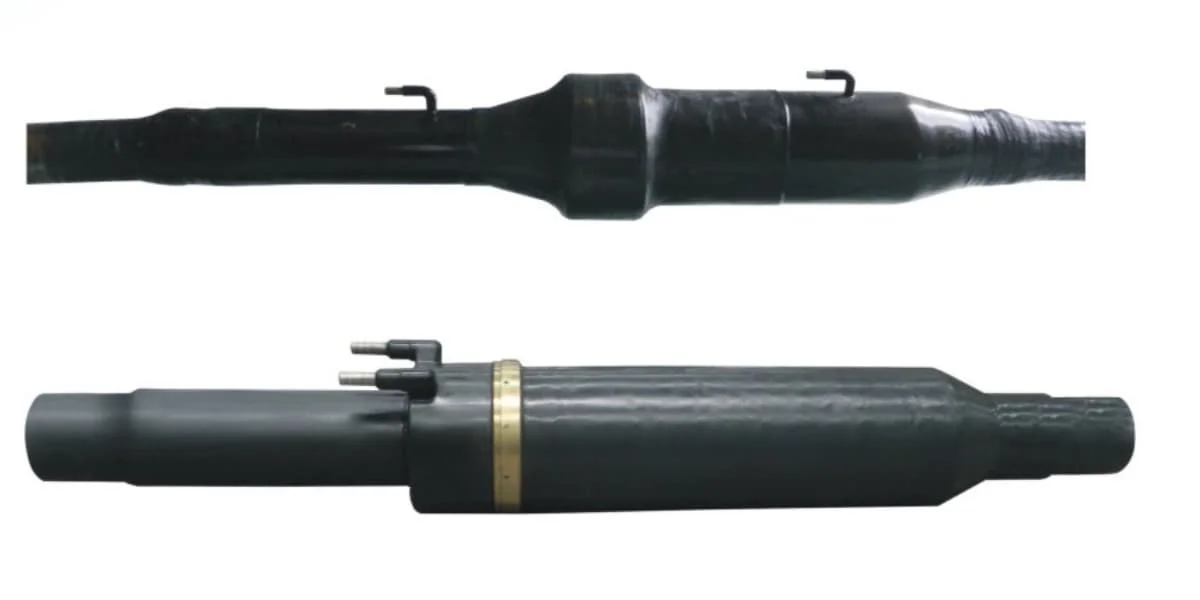
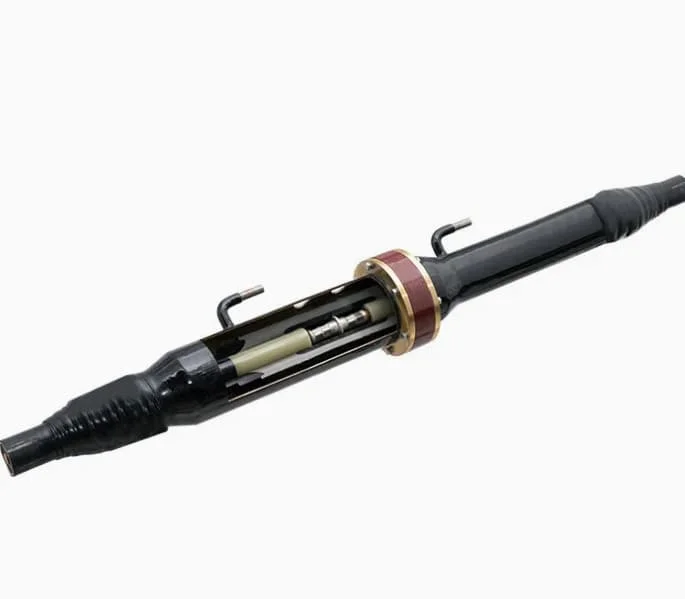
220kV splices
They allow two sections of cable to be joined.
Types:
- straight splice
- Insulated splice
- sectioned splice
Link Box
Used for:
- Grounding control
- Metal screen protection
- Reduction of induced currents
Grounding systems
Essentials for:
- Human security
- System protection
- Fault Download
Factors affecting the price of 220kV cable
Price can vary greatly depending on multiple factors.
1. Driver material
Copper
More expensive but better driver.
Aluminum
Cheaper and lighter.
2. Cross section
Common examples:
- 400 mm²
- 630 mm²
- 800 mm²
- 1000 mm²
- 1600 mm²
- 2500 mm²
The larger the section:
- Greater capacity
- Higher price
3. Installation type
Underground
Higher installation cost.
Submarine
Much more expensive due to special armor.
4. Accessories included
Terminal and splice kits can represent a significant portion of the total cost.
5. Certifications
International certifications such as:
- IEC
- IEEE
- Type Test
increase the value of the product.
Estimated price of 220kV Cable
Prices are constantly changing depending on:
- copper price
- Aluminum price
- Energy market
- Logistics costs
- Project volume
However, in general:
| Cable type | Approximate price |
|---|---|
| 220kV XLPE Aluminio | USD 80–200 per meter |
| 220kV XLPE Copper | USD 150–400 per meter |
| Cable submarino 220kV | Much higher |
| Terminal kits | USD 5,000–30,000 |
| Splices | USD 3,000–15,000 |
These values are only references for the international market..
How to choose a 220kV Cable manufacturer?
Selecting the right supplier is essential to ensure:
- Security
- Durability
- Network stability
Verify experience in EHV projects
The manufacturer must have proven experience in:
- 110kV
- 132kV
- 220kV
- 400kV
- 500kV
Review certifications
The most important tests include:
- Type Test
- Routine Test
- Prequalification Test
Production capacity
A serious manufacturer must have:
- CCV line
- Laboratory HV
- Quality control system
- Complete traceability
Technical support
220kV projects require:
- Specialized engineering
- Installation supervision
- Technical training
220kV cable installation
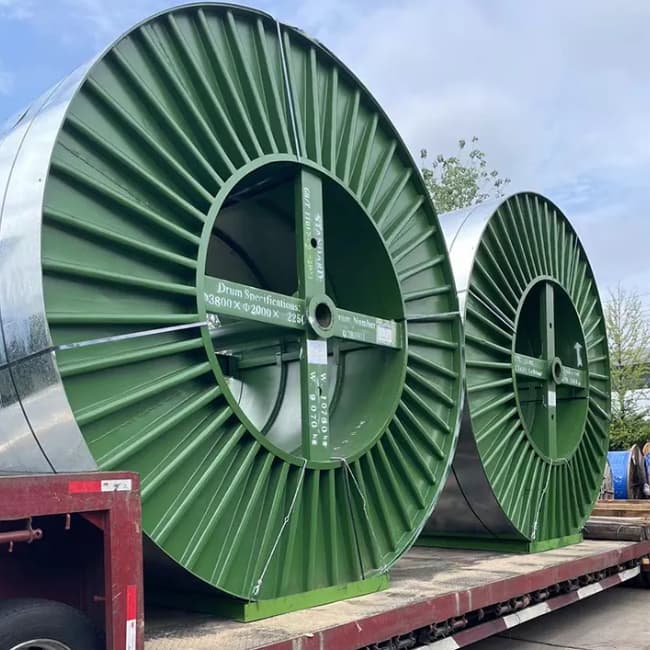
Installation of EHV cables is extremely complex.
Route preparation
Includes:
- geological studies
- Thermal design
- civil Engineering
Minimum curvature radio
It must be strictly adhered to to avoid damage to the insulation..
Cleaning control
Pollution can cause:
- Partial downloads
- Dielectric failures
Testing after installation
The tests include:
- VLF
- AC Resonance
- Partial downloads
- Cover test
220kV cable life
A high quality cable can last:
- 30 years
- 40 years
- Even more than 50 years
Key factors:
- Installation quality
- Temperature
- Humidity
- Overloads
- Accessories quality
Global market trends
Renewable energy growth
Energy transition drives demand for HV cables.
Replacement of airlines
Many cities are burying their electrical networks.
Increased demand for submarine cables
Especially for:
- offshore wind energy
- International interconnections
HVDC development
HVDC transmission is expanding rapidly.
Difference between 110kV, 220kV y 500kV
| Voltage level | Application |
|---|---|
| 110kV | Regional distribution |
| 220kV | main transmission |
| 500kV | Ultra long distance transmission |
Advantages of 220kV XLPE Cable
High thermal capacity
Withstands high temperatures.
Less maintenance
Compared to traditional oil cables.
Greater environmental safety
Does not use contaminating fluids.
Excellent reliability
Ideal for critical infrastructure.
Common problems in 220kV cables
Partial download
Can cause serious failures.
mechanical damage
During transportation or installation.
Humidity
Water penetration affects insulation.
Overheating
Due to poor thermal dissipation.
How to reduce costs in 220kV projects
Optimize route design
Reduces civil costs.
Correctly choose the driver
Aluminum can be cheaper.
Select compatible accessories
Avoid installation problems.
Work with experienced manufacturers
Reduce risks and hidden costs.
Future of 220kV cables
The future of the sector points towards:
- Smart networks
- Greater digitization
- Monitoring sensors
- Sistemas HVDC
- Renewable energy
- Superconducting cables
Global energy infrastructure will continue to depend on reliable and efficient EHV cables.
Cables de 220kV
He 220kV Cable Manufacturer It is a fundamental piece in modern electrical transmission networks. Its ability to transport large amounts of energy with high reliability makes it an indispensable component for cities., renewable energy industries and projects.
The right choice of manufacturer, the right kits and accessories, as well as a professional installation, are critical factors to ensure the success of any high voltage project.
If you are looking for professional 220kV cable solutions, GIS terminals, high voltage splices and accessories, Dosense Cable offers reliable solutions for international electrical transmission projects.