
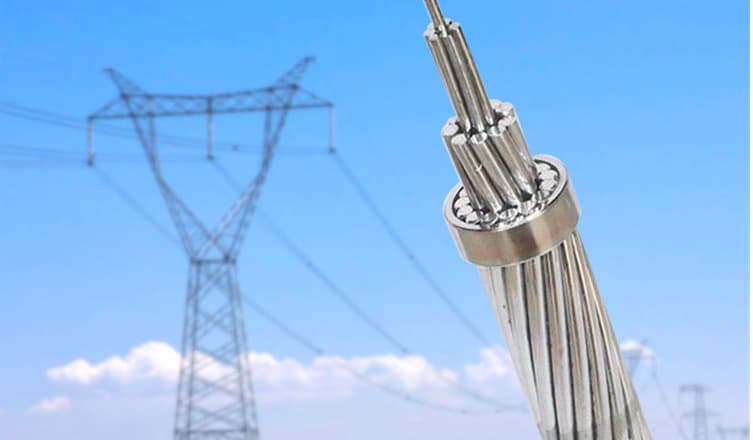
Select the right type of airline (or running cable) It is crucial to ensure a safe and reliable electricity supply. Here I present the fundamental steps to select the right airline:
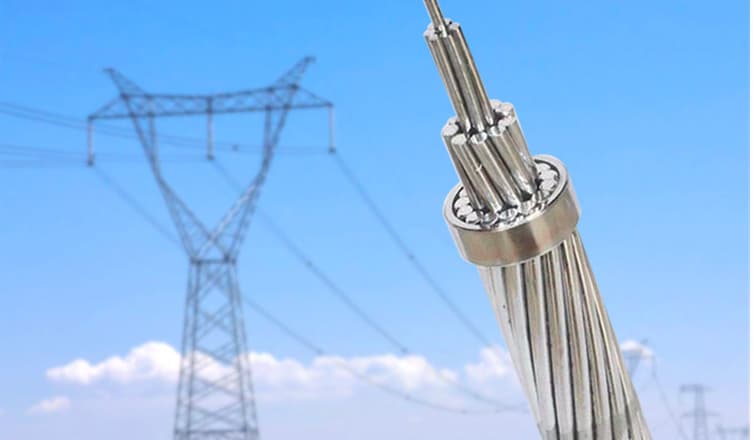
Understand project requirements: Before selecting an airline, It is essential to understand the specific requirements of the project. This includes considering the electrical load that the line will support., transmission distance, the environment in which it will be installed (urban, rural, mountainous, etc.), local weather conditions and applicable regulations.
Determine operating voltage: Operating voltage is one of the most important factors to consider when selecting an overhead line. Depending on the application and project requirements, a downline may be needed, medium or high voltage. It is important to choose a line that meets the voltage requirements of the electrical system.
Select the right type of driver: Overhead line conductors can be made of different materials, like aluminum, galvanized steel, copper, among others. Besides, conductors can be bare or insulated, depending on the needs of the project. It is important to select a conductor that meets the current capacity requirements, mechanical strength and corrosion resistance.
Evaluate line configuration: Airline configuration, including the number of conductors and their arrangement, should be selected according to the project requirements and environmental conditions. For example, single circuit lines can be used, double circuit or multiple circuits, depending on electrical load and redundancy required.
Consider associated accessories and equipment: In addition to drivers, It is important to select the appropriate accessories and associated equipment, as insulators, fastening hardware, support poles or towers, and surge protection devices. These components are essential to ensure the integrity and safe operation of the airline.
Consult regulations and standards: It is essential to ensure that the selected overhead line complies with the electrical regulations and standards applicable in the region where it will be installed. This includes design standards, construction, security and maintenance that may vary depending on geographic location.
Perform cost-benefit analysis: In addition to the technical specifications, economic aspects must also be considered, as the initial installation cost, the cost of maintenance over time and the expected useful life of the airline. Conducting a cost-benefit analysis will help select the most cost-effective and viable option for the project..
By following these steps and considerations, An informed and appropriate airline selection can be made that meets the technical requirements, operational and safety of the electrical system.