
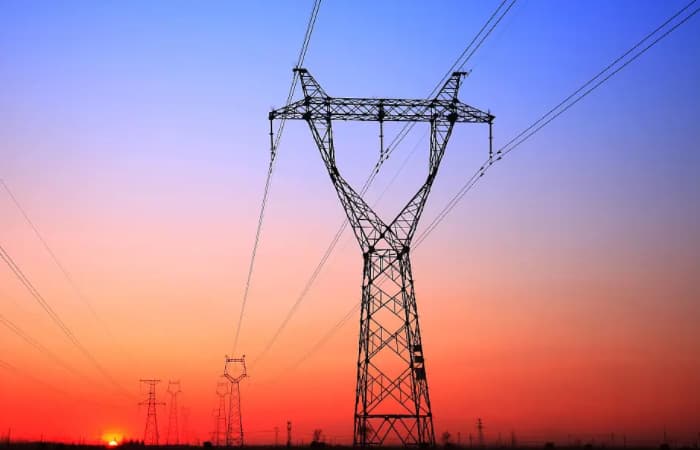
Overhead cable accessories are essential components used in the installation and securing of overhead electrical cables.. These accessories play a crucial role in safety, performance and durability of the overhead cable system. Here is a list of some common accessories for overhead cables:
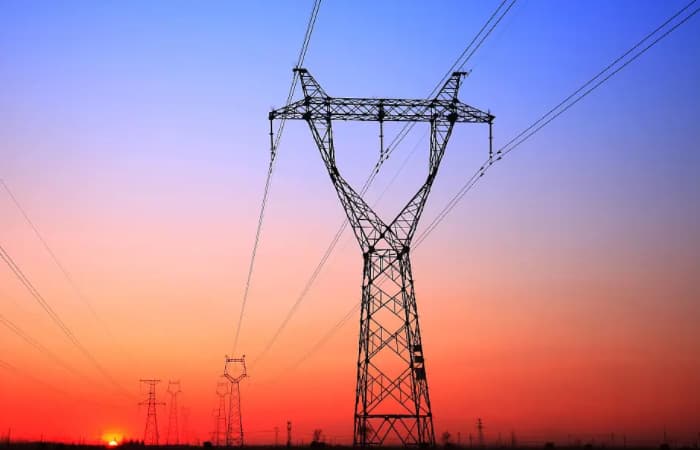
Suspension clamps: Used to suspend cables from support structures, like poles or towers. These clamps help maintain proper tension on the cable and provide a secure attachment point.
Tie down clamps: They are used to fix cables to support structures., avoiding unwanted movements and maintaining system stability.
Shackles and links: They are used to connect different parts of the cable to each other or to attach the cable to other accessories, providing a robust and secure connection.
Pulleys and guide rollers: They help direct and guide the cable along its path, reducing friction and preventing cable damage during installation and operation.
Retention straps: Used to maintain proper distance and alignment between overhead cables, avoiding unwanted contact and minimizing the risk of short circuits.
Fastening hooks: They are used to attach the cable to support structures temporarily or permanently., providing a safe and reliable method of fixation.
Turnbuckles and vibration dampers: They help control cable tension and absorb vibrations that may occur due to external factors such as wind, reducing wear and extending system life.
Electrical connection accessories: Includes connectors, terminals and splices used to connect and secure the ends of cables, ensuring a reliable and safe electrical connection.
Insulators: They are used to electrically isolate overhead cables from supporting structures, preventing power loss and protecting against electric shock.
Markers and signage: Help identify and mark overhead cables, facilitating inspection, system maintenance and repair.
These are just a few examples of the many accessories available for overhead cables.. Selecting the right accessories will depend on factors such as cable type, Environmental conditions, technical specifications and specific project requirements. It is important to consult with experts and follow applicable regulations and safety standards to ensure safe and efficient installation of the overhead cable system..