
He External terminal for cable 145 kV It is an essential accessory for high voltage electrical networks. Its function is to connect a high voltage cable with an overhead line, a transformer, a substation or other electrical equipment installed outdoors.
In an installation of this voltage level, termination has a much more important function than a simple electrical connection. You must also control the electric field, maintain insulation and protect the end of the cable from environmental conditions.
Besides, the design must ensure stable operation for many years. For this reason, the selection of a exterior termination of 145 kV requires analyzing both the characteristics of the cable and the specific conditions of the installation.
Currently there are several technologies for this type of application. Among the most important are the outer terminal with porcelain insulator, he outer terminal with composite insulator and the totally dry outer terminal.
Each solution has different characteristics. Therefore, The manufacturer and end user must carefully evaluate the voltage, the type of cable, the level of pollution, altitude and testing requirements before product selection.
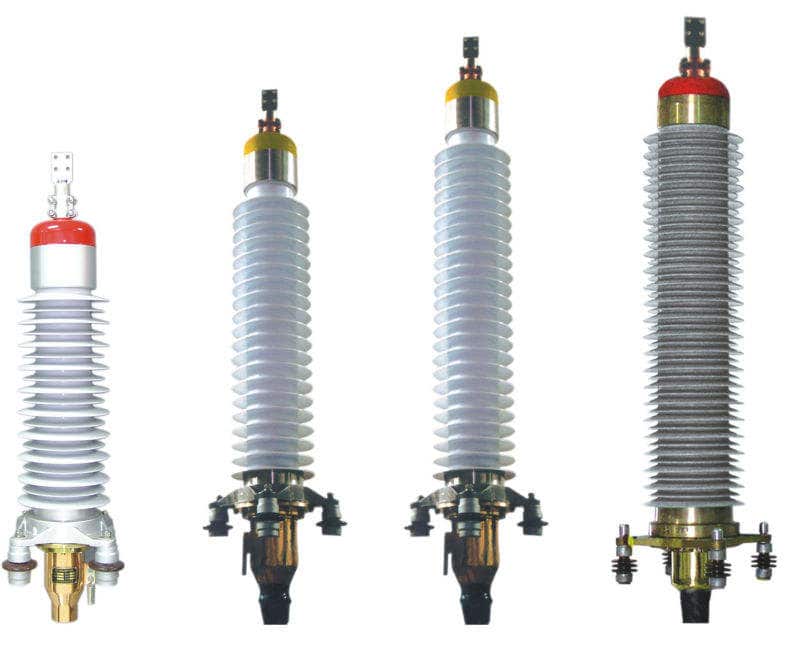
What is an external terminal for cable 145 kV?
And outer terminal for cable 145 kV is a termination system designed to be installed in an atmospheric environment and connect a high voltage cable with another element of the electrical network.
Normally, the cable uses a copper or aluminum conductor, XLPE insulation, semiconductor screen, metal screen and outer cover. During the installation, These layers must be prepared following very precise dimensions.
The insulation end needs a special system to control the electric field distribution. Otherwise, the concentration of the field can increase considerably in the area where the semiconductor screen ends.
For this reason, a exterior termination 145 kV integrates different electrical components, mechanical and sealing. They all work together to maintain the security and stability of the system..
Besides, The terminal must provide adequate insulation distance between the high voltage conductor and grounded parts.
Main functions of an external termination 145 kV
The first function is to make a reliable electrical connection. However, This is not the only responsibility of the terminal.
You must also monitor the electric field around the end of the insulation. This function is especially important when the semiconductor screen is removed from the cable.
In addition, The terminal must withstand electrical and mechanical stress. During operation, accessory may experience thermal cycling, wind, rain, pollution and solar radiation.
Consequently, A high voltage termination must meet several objectives at the same time:
- Control the electric field.
- Maintain electrical insulation.
- Protect the end of the cable.
- Prevent moisture entry.
- Withstand environmental conditions.
- Correctly connect the metal screen.
- Provide a reliable driver connection.
- Maintain stability over the life of the system.
Therefore, he cable terminal 145 kV must be designed specifically for the cable and project characteristics.
Structure of an external terminal 145 kV
Although the structure changes depending on the manufacturer, An exterior finish usually includes several main elements.
driver connector
The connector establishes the connection between the cable conductor and the electrical equipment.
Depending on the project, a compression connector or bolted system can be used. Selection depends on conductor material, your section, rated current and mechanical requirements.
For example, A cable with an aluminum conductor requires a connection solution compatible with the electrical and mechanical characteristics of aluminum.
Electric field control system
This part constitutes one of the most important elements of the terminal.
When the semiconductor screen ends, The electric field can be concentrated in a relatively small area. This situation can cause an increase in electrical stress..
To avoid it, the terminal uses a field control system. According to technology, pre-molded components can be used, special materials or elements designed with a specific geometry.
This way, the electric field is distributed more uniformly.
Outer insulator
The insulator provides the necessary external insulation between the conductor and ground.
Depending on the design, the manufacturer can use porcelain or polymeric materials. Therefore, We mainly find two types of solutions: outer terminal with porcelain insulator y outer terminal with composite insulator.
Sealing system
Water and humidity represent important factors in an outdoor installation.
For this reason, The terminal incorporates sealing systems designed to protect the cable and its internal components. Good sealing helps reduce the risk of deterioration during service.
Grounding system
The metal screen also needs a proper connection to the grounding system..
Besides, The cable bonding scheme must be analyzed together with the general installation design. Depending on configuration, There may be different methods of connecting the screens.
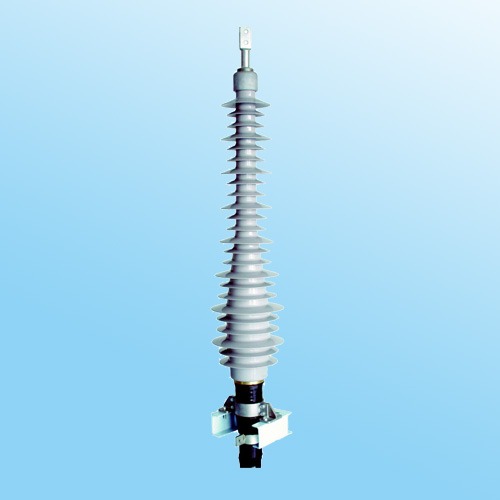
External terminal with porcelain insulator
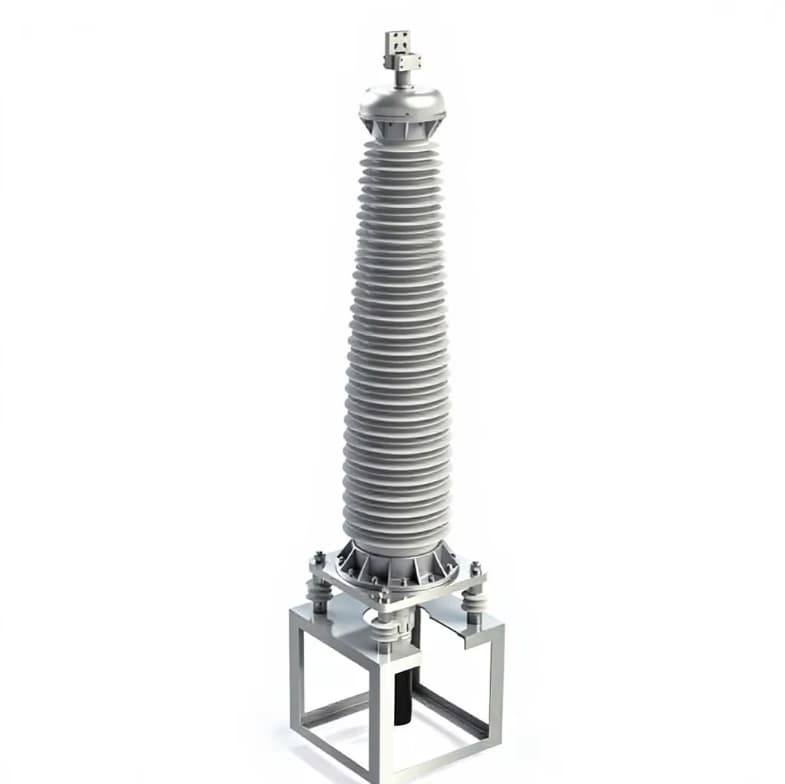
He outer terminal with porcelain insulator for cable 145 kV represents one of the traditional technologies used in high voltage installations.
Porcelain has good dielectric properties and high mechanical resistance. For this reason, This type of terminal continues to be an option used in certain projects.
Normally, The insulator has a series of skirts. These elements increase the creepage distance and help maintain external insulation in adverse environmental conditions..
Advantages of the porcelain terminal
One of its main advantages is the accumulated experience in high voltage electrical installations..
Besides, porcelain offers high mechanical resistance. This feature can be important when the terminal must withstand external forces.
Among its main features are:
- Widely known technology.
- Good dielectric behavior.
- High mechanical resistance.
- Extensive experience in substations.
- Possibility of using large creepage distances.
- Suitable for different high voltage configurations.
However, There are also some aspects that must be considered.
Porcelain is typically heavier than an equivalent composite insulator solution. Besides, must be handled carefully during transportation and assembly.
Therefore, when weight and ease of installation are important factors, It is worth comparing this solution with a composite insulator terminal.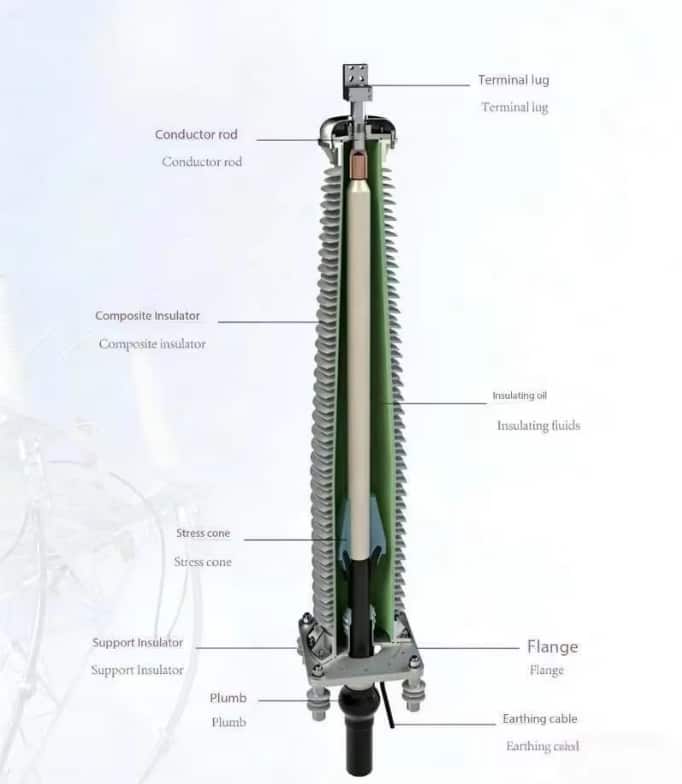
Outer terminal with composite insulator
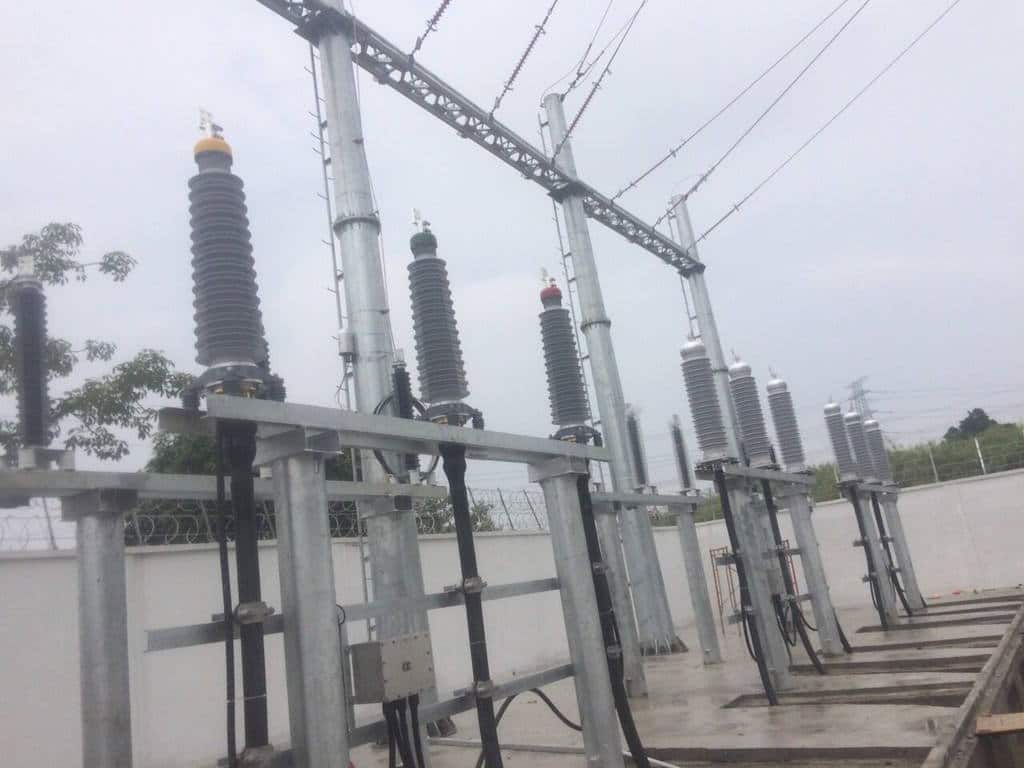
He outer terminal with composite insulator for cable 145 kV uses an insulating system based on polymeric materials.
In many applications, the outer surface uses silicone rubber. This material offers interesting characteristics for installations subject to contamination, humidity and rain.
One of the main advantages of this technology is its lower weight..
Besides, composite materials can present good hydrophobic characteristics. As a result, certain solutions can maintain favorable behavior under conditions of contamination and humidity.
Advantages of Composite Insulator
Among its main advantages are:
- Lower weight.
- Easier transportation.
- More comfortable installation.
- Good resistance to certain environmental conditions.
- Good performance in contaminated areas.
- Lower risk of brittle breakage in the event of certain impacts.
- Flexible design for different applications.
Besides, design must carefully consider protection against ultraviolet radiation, temperature and aging of the material.
The quality of the silicone and insulator design has an important influence on long-term performance.
Totally dry outer terminal
He totally dry outer terminal for power cable 145 kV is another solution used for certain high voltage applications.
The main characteristic of this technology is that it uses a field isolation and control system without depending on certain insulating fluids..
For this reason, A completely dry solution may be attractive for projects seeking to simplify certain aspects of maintenance and operation.
Besides, The absence of certain liquids can reduce concerns related to possible leaks.
Characteristics of a completely dry finish
A dry termination must carefully control the electric field. solid materials, interfaces and control elements work together to distribute electrical stress.
Among its potential advantages are:
- Design without certain insulating fluids.
- Less worry about fluid leaks.
- Simplified maintenance in certain applications.
- Compact design.
- Suitable for certain high voltage projects.
- Less impact related to fluid management.
However, Not all dry finishes use exactly the same technology.
For this reason, before selecting a totally dry outer terminal of 145 kV, it is necessary to review the type tests, the technical characteristics and service experience of the manufacturer.
Comparison between porcelain, compound and fully dry technology
The three solutions can be used in different projects. However, their characteristics are not identical.
| Feature | porcelain insulator | Composite insulator | totally dry |
|---|---|---|---|
| Technology | Traditional | Polymeric | dry system |
| Weight | Relatively high | Relatively low | Depends on the design |
| Mechanical strength | Very good | Buena | Depends on the design |
| Pollution | Buena | Very good in suitable designs | Depends on the design |
| Handling | More demanding | Simpler | Generally simple |
| Material exterior | Porcelain | Silicone/polymer | Solid insulating material |
| Maintenance | Low | Low | Low |
| Exterior application | Yeah | Yeah | Yeah |
| Application to 145 kV | Yeah | Yeah | According to design and tests |
For example, An installation located near the sea may require a solution with high resistance to contamination. Then, a composite insulator can be an interesting alternative.
Instead, a project that prioritizes traditional technology may opt for porcelain.
Besides, when the project seeks to avoid certain insulating fluids, fully dry technology can offer advantages.
Ultimately, there is no universal solution. Selection should be based on actual project conditions.
Control of the electric field in a termination 145 kV
Control of the electric field is essential in any high voltage cable terminal 145 kV.
The XLPE insulation of the cable is designed to work with a controlled distribution of the electric field. However, The situation changes when the semiconductor screen ends.
At this point a geometric discontinuity appears. As a result, the electric field can be concentrated around the end of the screen.
To reduce this effect, The terminal incorporates a field control system.
Depending on the design, This system can use materials with specific electrical characteristics and premolded components.
Besides, the dimensions of each component are important. A small error during assembly can modify the distribution of the electric field.
For this reason, Cable preparation must be carried out exactly following the manufacturer's instructions.
Partial downloads in terminals 145 kV
partial downloads, known as PD (Partial Discharge), constitute one of the most important parameters in the evaluation of high voltage accessories.
A partial discharge may appear due to defects, empty, contamination or manufacturing and assembly problems.
Therefore, Control of partial discharges is part of the evaluation procedures of many high-voltage cable systems.
Besides, Partial discharge testing can help detect certain defects before they cause a major breakdown.
For a manufacturer of outer terminals of 145 kV, quality control must cover both materials and manufacturing and assembly processes.
Standards and tests for an external terminal 145 kV
Selection of standards depends on the application and project specifications.
For power cables with extruded insulation and their accessories, IEC 60840 currently covers cables and accessories for voltages higher than 30 kV hasta 150 kV, with Um up 170 kV. For this reason, This standard is especially relevant for systems within the range of 145 kV.
Applicable tests may include:
- Voltage test at industrial frequency.
- Partial download test.
- impulse test.
- Warm-up test.
- Aging tests.
- Mechanical tests.
- Leakage tests.
- Environmental tests.
- type tests.
- Routine tests.
However, The specific values of each test must be obtained from the corresponding standard and the project specification..
It is not advisable to calculate the test voltage solely by means of a factor applied to the nominal voltage.
In addition, a distinction must be made between cable tests and specific accessories tests.
Installing an external terminal for cable 145 kV
Installation has a direct influence on the reliability of the termination.
Before assembly, it is necessary to check the type of cable, conductor dimensions and diameter over insulation. The environmental conditions of the workplace must also be verified.
Next, the installer prepares the end of the cable following the dimensions indicated by the manufacturer.
The process usually includes:
- Cable end preparation.
- Removal of outer cover.
- Preparation of the metal screen.
- Controlled removal of the semiconductor screen.
- Preparation of XLPE insulation.
- Installation of field control system.
- Mounting the outer insulator.
- Connector Installation.
- Screen connection and grounding.
- Installation of the sealing system.
- Final inspection.
- Carrying out the corresponding tests.
Each stage requires precision.
For example, improper tool can damage the surface of the XLPE insulation. In the same way, an incorrect cutting dimension can affect the electric field control system.
Therefore, Assembly must be carried out by qualified personnel and following the manufacturer's specific manual..
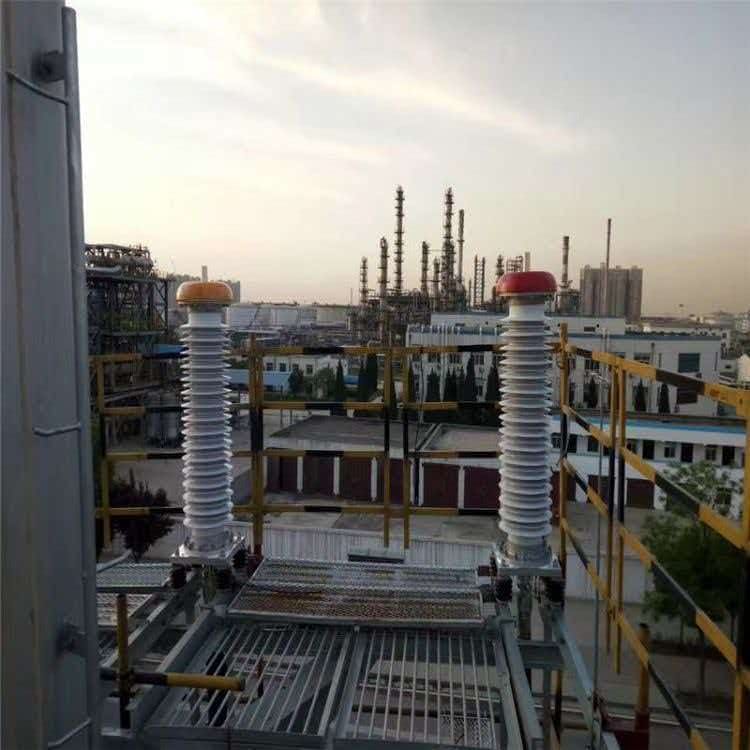
Outdoor Terminal Applications 145 kV
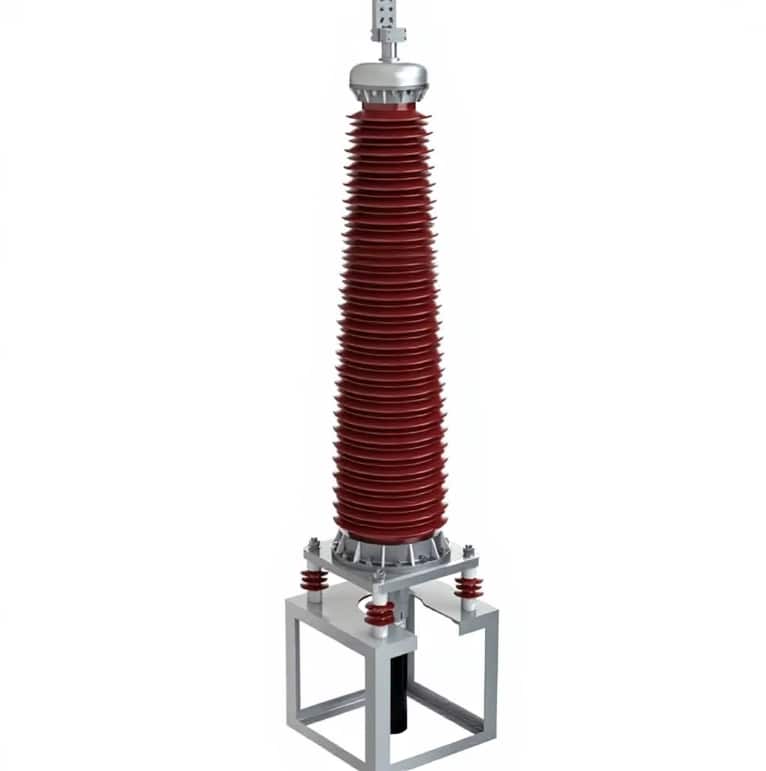
He terminal exterior 145 kV can be used in different electrical network configurations.
Electrical substations
A common application is to connect an underground cable to a substation.
In this case, termination can be connected to bars, transformers, overhead lines or other high voltage equipment.
Transition between cable and overhead line
On certain networks, an overhead line must connect with a section of underground cable.
The external terminal makes the transition between both systems. Besides, must provide the necessary insulation and creepage distance.
Connection with transformers
High voltage cables can also be connected directly to transformers.
In these applications, the terminal design must be compatible with the transformer interface and the mechanical mounting conditions.
Industrial facilities
Large industrial plants can use high voltage networks to power internal equipment and substations.
Consequently, and outer terminal for cable 145 kV can be part of distribution and transmission systems within large industrial facilities.
Difference between exterior terminal and GIS terminal 145 kV
It is important not to confuse both products.
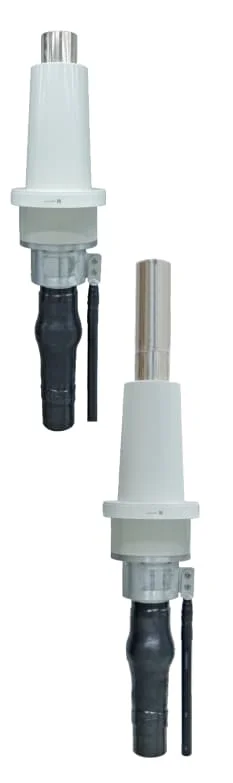
And outer terminal of 145 kV It is designed to work in contact with the atmospheric environment. That's why you need an external insulator with an adequate creepage distance..
Instead, and GIS terminal 145 kV is designed to connect with GIS equipment and work within a specific gas-insulated system interface.
Therefore, although both products can be used on cables of the same voltage class, Their structure and installation requirements are different.
The selection should be made according to the equipment to which the cable will be connected.
Factors for selecting an outdoor terminal 145 kV
Before requesting a quote, It is advisable to provide the manufacturer with sufficient technical information.
System voltage
First, the nominal voltage and the maximum voltage of the system must be indicated..
For example, a network of 138 kV can use equipment with a maximum voltage of 145 kV. For this reason, project documentation should be carefully reviewed.
Driver section
It is also necessary to know the section and material of the conductor.
The terminal must be compatible with copper or aluminum conductors and with their corresponding dimensions.
Diameter over insulation
This information is especially important.
Two cables of the same voltage class can have different insulation diameters. Therefore, The terminal should not be selected solely according to the voltage.
Metal screen
The section and type of screen must also be communicated to the manufacturer.
Besides, It is necessary to know the grounding and bonding system planned for the installation.
Environmental conditions
The project must consider:
- Room temperature.
- altitude.
- Pollution level.
- Humidity.
- Rain.
- solar radiation.
- Wind.
- Dust.
- saline environment.
In particular, Contamination can significantly influence insulator design.
Leakage distance and contamination
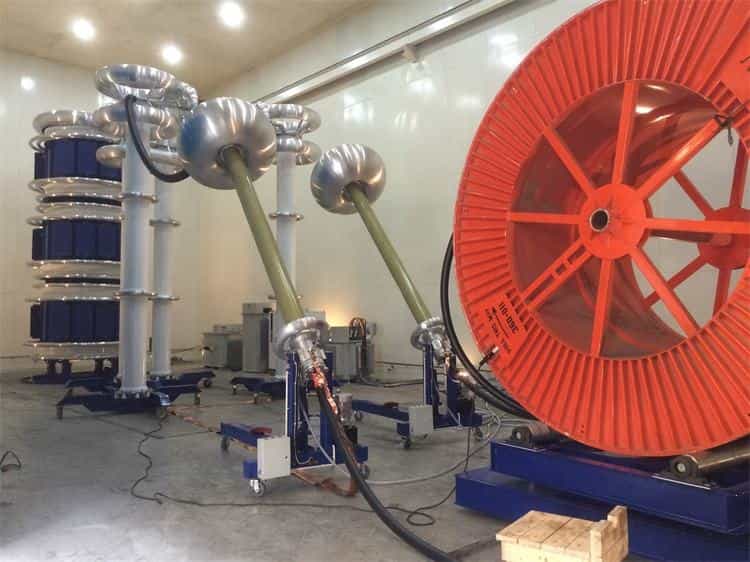
Creepage distance is one of the most important parameters of an external insulator.
In a clean area, The design may require a certain creepage distance. However, a facility located in a coastal or industrial area may require a higher value.
For example, salt deposited on the surface of the insulator can combine with moisture and increase surface conductivity.
As a consequence, the risk of leakage currents and surface discharges may increase.
For this reason, the manufacturer must know the environmental conditions before selecting the insulator.
And outer terminal of 145 kV with composite insulator can be especially interesting in certain contaminated environments. However, The final selection must be based on the design criteria applicable to the project.
Manufacturing and quality control
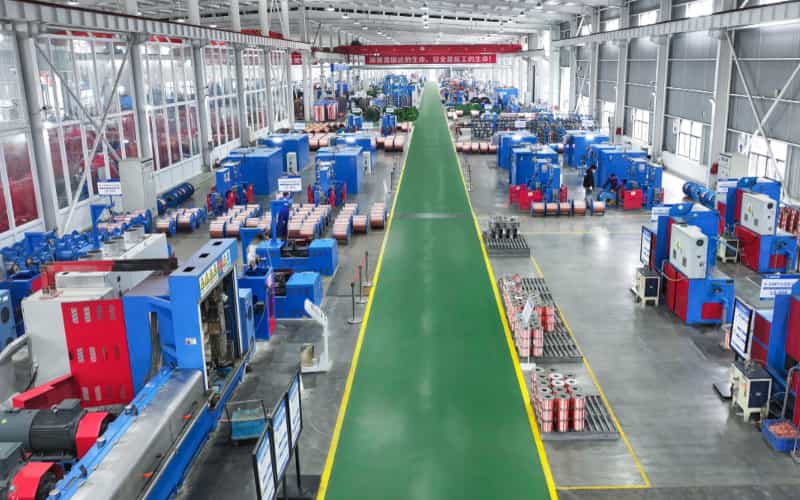
The manufacturing of a external termination for cable 145 kV requires strict control of materials and processes.
Insulating materials must have stable electrical characteristics. In addition, Components used to control the electric field must maintain appropriate tolerances.
Dimensional checks can be carried out during manufacturing, materials inspections and electrical tests.
Besides, High voltage projects often require complete technical documentation.
Common documents include:
- Technical sheet.
- Plano dimensional.
- Installation manual.
- Bill of materials.
- Test reports.
- Material certificates.
- Quality control procedures.
- Certificates of conformity.
- Project references.
This documentation allows the client to verify that the product corresponds to the required characteristics.
Useful life of an external terminal 145 kV
A properly designed and installed termination can provide service for many years.
However, Its useful life depends on several factors.
The quality of the insulation is one of them. In the same way, influence the manufacturing, the installation, operating temperature and environmental conditions.
Besides, the terminal is exposed to rain for years, ultraviolet radiation, pollution, thermal cycles and electrical stresses.
Therefore, it is not enough to select a product that initially meets the electrical requirements. It is also important to check their service experience.
A specialized manufacturer must be able to provide sufficient technical information about the product and its previous applications..
How to choose the best external terminal for cable 145 kV?
Selection begins with basic cable data.
System voltage must first be confirmed. Then it is necessary to provide the section and material of the conductor.
Next, The diameter on the insulation must be indicated, the type of metal screen and grounding configuration.
In addition, environmental conditions must be communicated.
If the installation is located in an area with high pollution, creepage distance will be of particular importance. Instead, when accessory weight is a major concern, it may be interesting to compare a porcelain solution with a composite solution.
Besides, Projects looking to reduce the use of certain insulating fluids may consider a completely dry solution.
Finally, the decision must be based on the trials, the applicable standards, the manufacturer's experience and the total installation cost.
External terminal for cable 145 kV: an essential solution for high voltage networks
He External terminal for cable 145 kV plays a fundamental role in modern electrical transmission and distribution systems.
Its function is not limited to connecting the driver. You must also control the electric field, maintain isolation, resist environmental conditions and provide a reliable connection throughout the life of the cable.
At the moment, projects can choose between different technologies. He outer terminal with porcelain insulator offers a traditional solution with extensive experience. For your part, he outer terminal with composite insulator stands out for its lower weight and its good characteristics against certain environmental conditions.
Besides, he totally dry outer terminal represents an interesting alternative for projects that are looking for a solution without certain insulating fluids.
The correct choice depends on many factors. Among them, system tension stands out, driver's section, insulation diameter, the type of screen, pollution, altitude and weather conditions.
Therefore, correctly select a exterior termination of 145 kV It is a technical decision that must be made together with the accessory manufacturer and the cable system designer.
When the design, manufacturing, installation and testing are carried out correctly, The terminal can provide a secure and stable connection for high voltage systems for many years.