
He cable splice 110 kV It is a fundamental accessory to connect two sections of high voltage cable and guarantee the electrical and mechanical continuity of the system. In energy transmission and distribution networks, A properly designed joint allows insulation to be maintained, control the electric field and protect the cable against humidity, mechanical stress and demanding environmental conditions.
The systems 110 kV They are widely used in substations, lines of transmission, industrial parks, Generation plants, renewable energy projects and urban networks. Due to the high level of tension, Splice design and installation require precise control of each component and each stage of the process.
For this reason, choose a cable splice 110 kV Suitable is not only about selecting an accessory compatible with the diameter of the cable. It is also necessary to consider the type of driver, the material and diameter of the insulation, the metal screen, the grounding system, installation conditions and testing requirements.
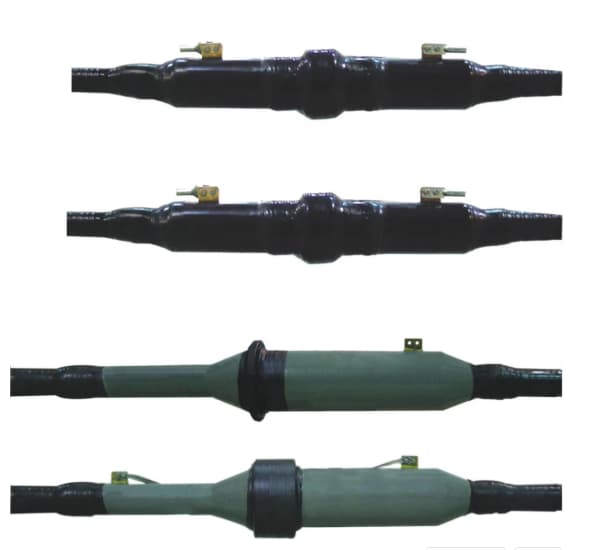
What is a cable splice 110 kV?
And cable splice 110 kV It is a set of accessories used to permanently join two high voltage cables.. Its main function is to restore the electrical and mechanical characteristics of the cable at the connection point..
On an XLPE cable 110 kV, For example, splicing must reconstruct several essential layers. Among them are the driver, the isolation, the semiconductor screen, the metal screen and the outer protection.
The bonding zone is especially important because the geometry of the electric field changes when the layers of the cable are removed during preparation.. The splicing system incorporates field control elements to properly distribute the electrical stress.
For this reason, and XLPE cable splice 110 kV should be designed according to the actual cable dimensions and the electrical characteristics of the system.
Why is cable splicing important? 110 kV?
A high voltage network can contain cables of hundreds or thousands of meters. In many projects, Cable is supplied in different lengths due to manufacturing limitations, transportation and laying.
When it is necessary to connect two sections of cable, is used a cable splice 110 kV.
The splice must maintain a series of properties:
- Conductor electrical continuity.
- Recovery of XLPE insulation.
- Uniform control of the electric field.
- Continuity or proper connection of the metal screen.
- Resistance against humidity.
- Mechanical strength.
- Ability to withstand thermal stress.
- Grounding System Compatibility.
- Stability throughout the life of the cable.
Incorrect installation can cause partial downloads, localized heating, moisture ingress or premature deterioration of insulation.
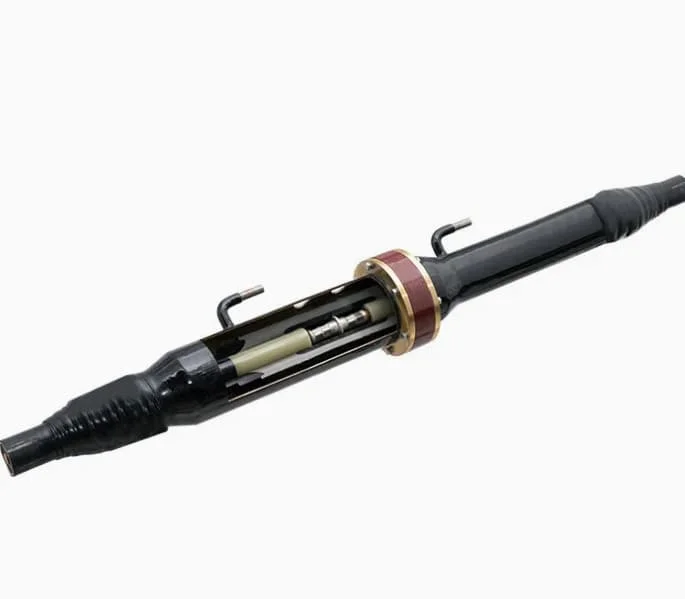
Structure of a splice for XLPE cable 110 kV
The exact structure depends on the manufacturer and system design. However, and cable splice 110 kV It usually includes different components intended to reconstruct the electrical and mechanical layers of the cable.
1. driver connector
The connector allows the conductors of the two cables to be joined. A compression connector or a mechanical solution specially designed for high voltage cables can be used.
driver's section, the material—copper or aluminum—and the actual dimensions must match the project requirements.
2. Insulation reconstruction system
After connecting the driver, it is necessary to rebuild the electrical insulation around the junction area.
Pre-molded components can be used in modern systems, prefabricated systems or specially developed insulation solutions for XLPE cables.
3. Electric field control
Control of the electric field is one of the most important elements of a cable splice 110 kV.
The transition between the original cable insulation and the splice area must be carefully designed to avoid excessive electric field concentrations..
Field control elements allow the electrical stress to be distributed gradually and reduce the risk of partial discharges.
4. Semiconductor screen
The semiconductor screen must be properly rebuilt to ensure proper electrical transition between the cable and the splice..
Preparation of this area requires specific tools and procedures. Damage to the insulation or a surface irregularity can negatively affect the electrical performance of the system..
5. Metal screen
Depending on cable design, the metal screen can be made up of copper wires, metallic tape, lead, aluminum or other structure.
The splicing system must guarantee the continuity of the screen or allow the grounding configuration required by the project.
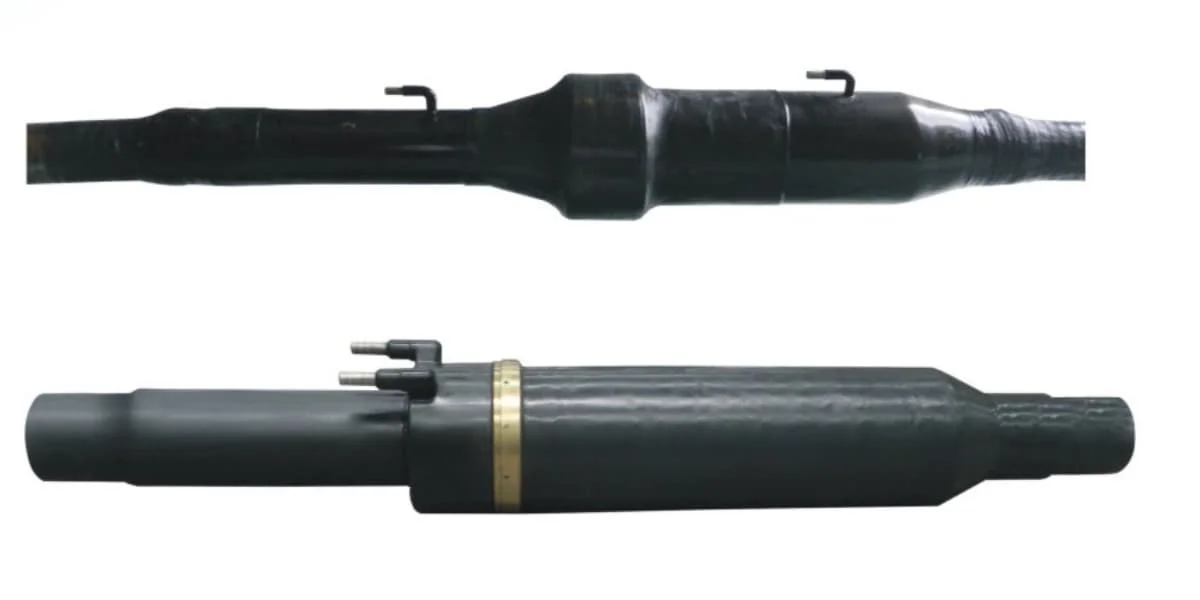
Types of cable splicing 110 kV
There are different solutions according to the application and network configuration.
straight splice 110 kV
The straight splice, also known as straight-through joint, connect two wires of the same circuit.
It is one of the most used solutions in underground high voltage lines.. Can be installed in tunnels, galleries, Trench, pipelines or directly in specially prepared structures.
sectioned splice
A split screen configuration splice is used in certain transmission systems..
This design can be used when the grounding system and the circulation of induced currents require a specific configuration.
The selection between a straight splice and a sectioned system depends on the electrical design of the entire line.
transition splice
When it is necessary to connect cables with different structures, a transition splice can be used.
For example, The project may require connecting cables with different screen materials, conductor sections or construction designs. In these cases, the manufacturer must carefully check the compatibility between both cables.
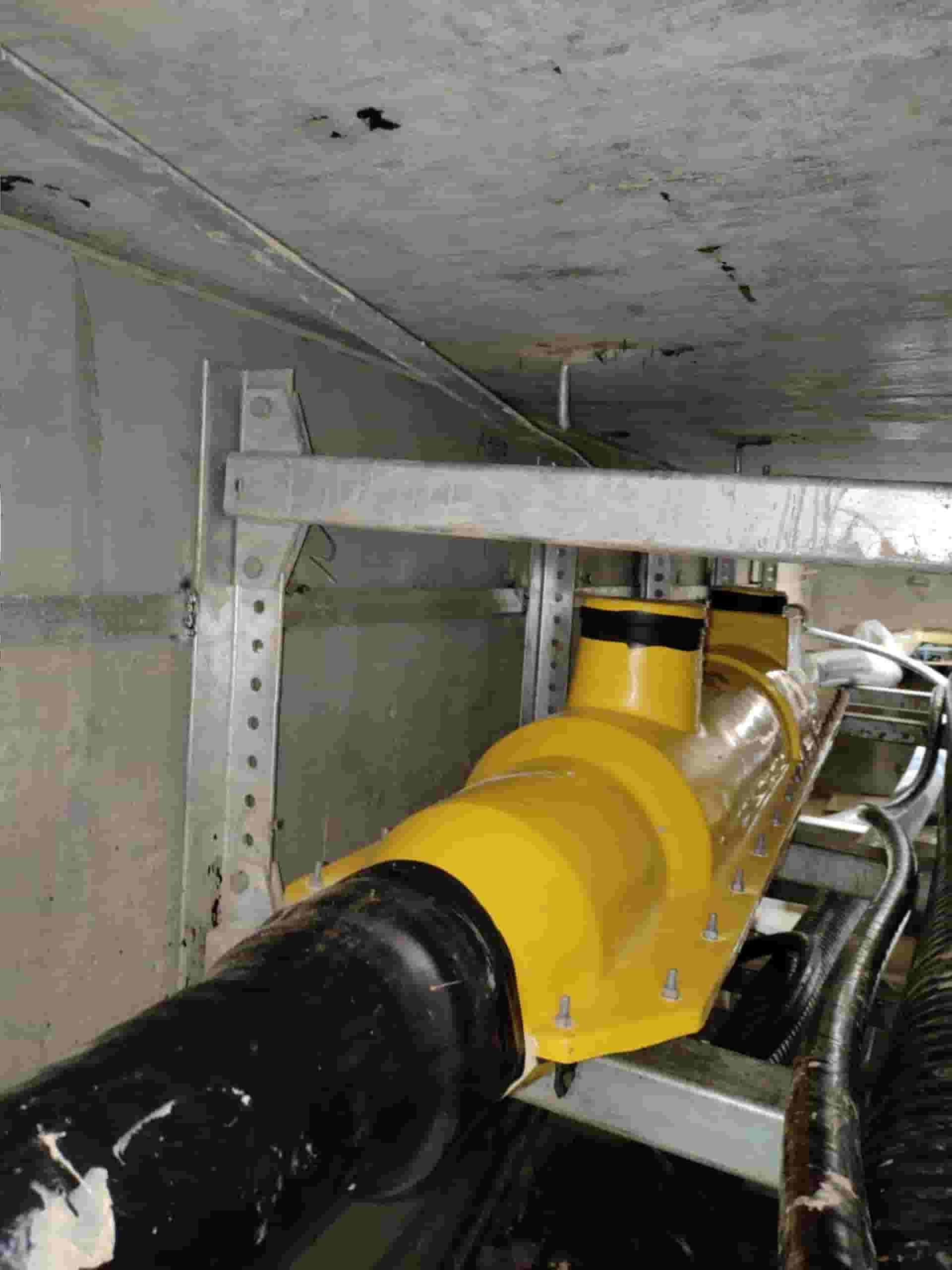
XLPE cable splice 110 kV
XLPE cables are widely used in modern high voltage networks due to their good electrical and thermal properties..
And XLPE cable splice 110 kV must maintain the characteristics of the original insulation of the cable. For this reason, the design of the accessory must take into account:
- Diameter over insulation.
- Insulation thickness.
- Driver diameter.
- Semiconductor display type.
- Metal screen structure.
- Cable outer diameter.
- Warp radio.
- Maximum operating temperature.
There is no single universal splice for all power cables. 110 kV. Even when two cables have the same voltage rating, its dimensions may be different.
For this reason, before manufacturing a cable splice 110 kV, the supplier usually needs to receive the complete technical data of the cable.
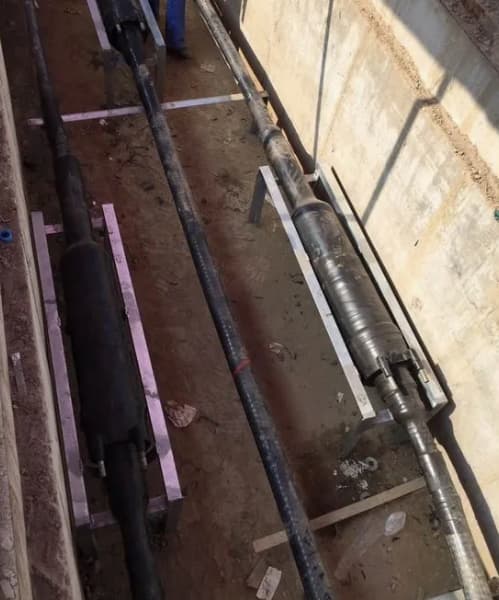
Installing the cable splice 110 kV
Installation is a critical stage. In high voltage, The final performance of the accessory depends on both the design and the assembly quality.
Before starting, a clean work area must be prepared, dry and protected. pollution, Moisture and dust can affect insulating surfaces.
The general process may include the following stages:
- Verification of materials and tools.
- Confirmation of cable dimensions.
- Preparation and cutting of the ends.
- Controlled removal of the outer covering.
- Preparation of the metal screen.
- Removal of the semiconductor screen.
- Preparation of XLPE insulation.
- Driver installation and connection.
- Installation of the insulation system.
- Electric field control installation.
- Reconstruction of the metal screen.
- Installation of external protection.
- Final inspection and tests.
Stripping dimensions and tolerances should strictly follow the manufacturer's installation manual.
Environmental conditions during installation
Environmental conditions can significantly influence the installation of a cable splice 110 kV.
Humidity is especially important because it can affect insulating surfaces. For this reason, when the splice is installed in a trench, tunnel or underground chamber, It is advisable to control the work environment.
Contamination of insulating surfaces must also be avoided..
In international projects, Manufacturers often provide specific procedures for installation in tropical environments, coastal areas, desert regions or places with high humidity.
Testing a cable splice 110 kV
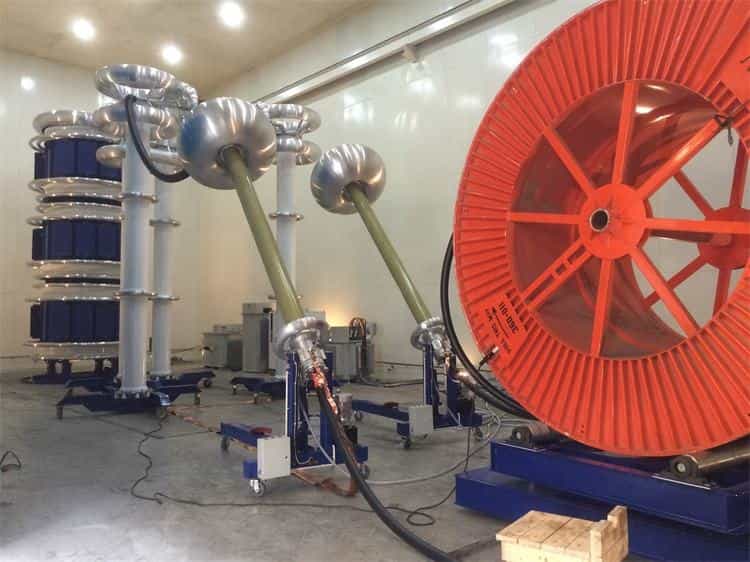
Testing is essential to verify the quality of the system before putting the line into service..
Exact requirements depend on the project specification and applicable standards. For high voltage systems, the IEC standards corresponding to the cable and its accessories are an important reference.
Among the tests that can be considered are:
Tensile test
Enables verification that the insulation system can withstand the specified voltage level.
Partial discharge measurement
Partial discharge measurement is especially important in high voltage accessories.
An abnormal level of partial discharge may indicate installation defects, pollution, interface problems or isolation irregularities.
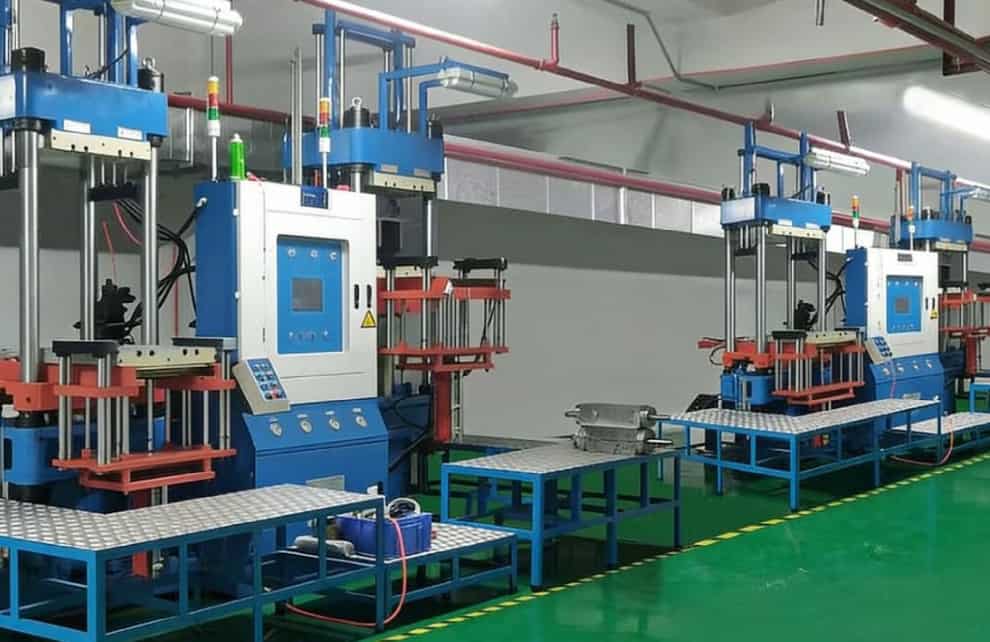
type tests
Type tests are performed to verify the design of the splicing system under electrical conditions., determined thermal and environmental.
Routine tests
Routine tests are performed on units manufactured in accordance with applicable requirements to verify product conformity..
Dimensional inspection
It is also important to check the dimensions of the components and their compatibility with the specified cable.
How to choose a cable splice 110 kV?
To correctly select a cable splice 110 kV, The buyer must provide the manufacturer with sufficient information about the cable.
The most important data includes:
- Nominal voltage.
- Driver section.
- Driver material.
- Driver diameter.
- XLPE insulation thickness.
- Diameter over insulation.
- Semiconductor display type.
- Type and section of the metal screen.
- Cable outer diameter.
- Available length for installation.
- Grounding system.
- Environmental conditions.
- Required technical standard.
It is also important to indicate if the splice will be installed in a trench., tunnel, junction chamber, planta industrial, substation or other location.
cable splice 110 kV for international projects
In international projects, in addition to electrical performance, Buyers usually pay attention to technical documentation and product traceability.
A professional provider of cable splice 110 kV you should be able to provide documentation such as:
- Technical sheet.
- Dimensional drawings.
- Installation manual.
- Component List.
- Material certificates when required.
- Test reports.
- Quality control documentation.
- Storage and transportation recommendations.
The documentation must correspond to the exact model supplied and the type of cable used in the project.
cable splice 110 kV and system life
The splice is an essential part of the transmission line. Although it occupies a relatively small length, Its electrical and thermal conditions can be demanding.
A suitable design, Compatible materials and installation by qualified personnel help maintain system reliability during operation.
Besides, splice point planning is important. There must be enough space for assembly, inspect components and perform necessary tests.
Manufacturer of cable splices 110 kV
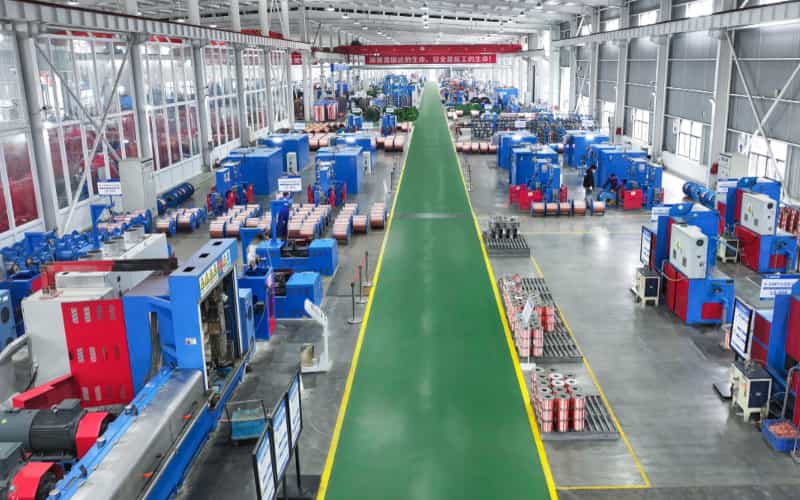
The selection of the manufacturer must consider not only the price of the accessory, but also technical experience, manufacturing capacity, the quality control system and experience in high voltage projects.
A specialized manufacturer can provide solutions for different types of XLPE cables of 110 kV and adapt the design according to the actual cable dimensions.
TWO Cable / Dosense Cable develops accessory solutions for high voltage cables, including cable splices 110 kV, GIS terminals and external terminations for different voltage levels. The solution can be configured according to the cable structure, the project requirements and technical standards requested by the client.
For a project cable splice 110 kV, It is advisable to send the cable technical sheet to the manufacturer before confirming the model. This way, you can check the dimensions, electrical and mechanical compatibility, display settings and installation requirements.
Conclusion
He cable splice 110 kV plays an essential role in modern transmission and distribution networks. Its function is not limited to connecting two conductors: must rebuild the insulation, control the electric field, maintain the metal screen and provide mechanical and environmental protection.
To achieve a reliable system, it is necessary to select a splice compatible with the actual dimensions of the cable, Use high quality materials and strictly follow the installation procedure. In addition, electrical testing and quality inspections verify accessory performance before commissioning.
For high voltage projects, Work with a manufacturer with experience in cable splices 110 kV, XLPE cables and transmission accessories can facilitate technical selection, manufacturing and installation of the complete system.