
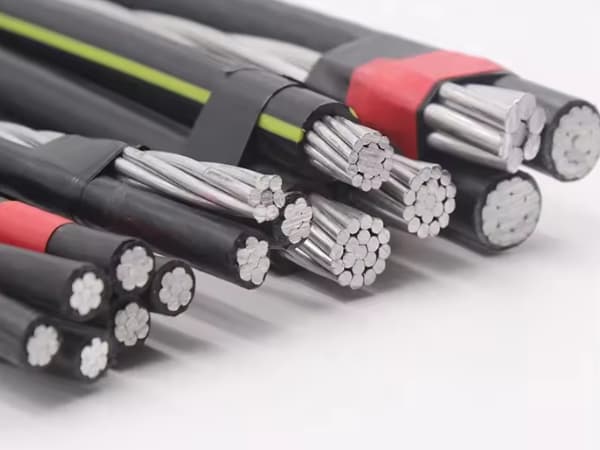
Os cabos elétricos aéreos são componentes cruciais das modernas redes de distribuição de energia. Eles servem como tábua de salvação para transmitir eletricidade das usinas para as residências, negócios, e indústrias. Neste artigo, vamos nos aprofundar nos vários aspectos dos cabos aéreos, incluindo seus tipos, usa, vantagens, e manutenção. Nossa discussão se concentrará particularmente em termos-chave como cabos aéreos, fio terra aéreo, cabos elétricos aéreos para casa, e fio terra suspenso.
O que são cabos elétricos aéreos?
Cabos elétricos aéreos são condutores suspensos acima do solo por postes ou torres. Esses cabos são usados para transmitir energia elétrica por longas distâncias. O objetivo principal dos cabos aéreos é garantir o fornecimento eficiente e seguro de eletricidade a diferentes pontos ao longo da rede de distribuição..
Tipos de cabos elétricos aéreos
- Condutores desencapados:
- Condutor de alumínio reforçado com aço (CAA): Estes são amplamente utilizados devido à sua alta resistência à tração e propriedades de leveza.. Os cabos ACSR consistem em um núcleo de fios de aço rodeados por fios de alumínio.
- Condutores de liga totalmente de alumínio (AAAC): Esses cabos são feitos inteiramente de liga de alumínio, que proporciona melhor condutividade e resistência à corrosão.
- Cabos Isolados:
- Cabos aéreos agrupados (abc): Esses cabos são usados em áreas densamente povoadas onde a segurança é uma preocupação. Eles consistem em vários condutores de fase isolados agrupados com um condutor neutro isolado.
- Fio Terra Aéreo (AHWH):
- Também conhecido como fio blindado ou fio sky, o fio terra aéreo é um componente crítico do sistema de transmissão aéreo. Ele fornece proteção contra descargas atmosféricas, conduzindo com segurança a corrente induzida para o solo.
Cabos elétricos aéreos para casa
Quando se trata de fornecimento de energia residencial, cabos elétricos aéreos para a casa desempenham um papel vital. Esses cabos conectam as principais linhas de energia a residências individuais, garantir um fornecimento estável e confiável de eletricidade. O processo de instalação envolve passar os cabos de um poste próximo até uma estação meteorológica na casa, de onde a energia é então distribuída para o painel elétrico.
Vantagens dos cabos elétricos aéreos
- Econômico: Os cabos aéreos são geralmente mais baratos de instalar e manter em comparação com os cabos subterrâneos. A infraestrutura necessária para linhas aéreas, como postes e torres, é mais acessível do que as extensas valas necessárias para sistemas subterrâneos.
- Manutenção mais fácil: Como os cabos aéreos são acessíveis, a manutenção e os reparos podem ser realizados mais rapidamente e com menos interrupções. Falhas em linhas aéreas são mais fáceis de detectar e corrigir.
- Flexibilidade: Cabos aéreos podem ser instalados em diversos terrenos, incluindo paisagens ásperas e irregulares. Esta flexibilidade torna-os adequados tanto para áreas urbanas como rurais.
- Efeito de resfriamento: Estar exposto ao ar, cabos aéreos têm um mecanismo de resfriamento natural, o que ajuda na dissipação do calor gerado pela corrente elétrica.
Fio terra aéreo
O fio terra suspenso, frequentemente usado de forma intercambiável com o fio terra aéreo, é um componente essencial para proteger linhas de energia. Sua principal função é proteger os condutores de fase contra descargas atmosféricas, fornecendo um caminho direto para o terra para a corrente do raio..
Importância do fio terra aéreo
- Proteção contra raios: Ao interceptar raios, o fio terra suspenso evita danos aos condutores principais e equipamentos associados.
- Estabilidade do Sistema: Melhora a estabilidade e a confiabilidade do sistema de transmissão de energia, reduzindo o risco de interrupções causadas por raios.
- Segurança: O fio terra aéreo ajuda a manter os padrões de segurança, evitando o acúmulo de tensões perigosas nas linhas de energia.
Processo de instalação de cabos elétricos aéreos
- Planejamento e Topografia: A instalação de cabos aéreos começa com um planejamento minucioso e levantamento da rota. Esta etapa envolve identificar o melhor caminho para os cabos, levando em consideração fatores como terreno, impacto ambiental, e proximidade com a infraestrutura existente.
- Erguendo postes ou torres: O próximo passo é a montagem de postes ou torres que darão suporte aos cabos aéreos. A altura e o espaçamento dessas estruturas são determinados com base no nível de tensão e no tipo de cabos utilizados.
- Amarrando os cabos: Assim que as estruturas de suporte estiverem instaladas, os cabos são cuidadosamente amarrados entre eles. Este processo requer precisão para garantir que os cabos estejam devidamente tensionados e alinhados.
- Protegendo os cabos: A etapa final envolve fixar os cabos aos postes ou torres usando isoladores e outras ferragens. Isso garante que os cabos permaneçam estáveis e possam suportar tensões ambientais.
Práticas de manutenção em cabos elétricos aéreos
A manutenção regular dos cabos aéreos é essencial para garantir a sua longevidade e fiabilidade. Algumas práticas importantes de manutenção incluem:
- Inspeção: A inspeção periódica dos cabos e estruturas de suporte ajuda a identificar possíveis problemas como corrosão, desgaste, ou danos causados por fatores externos.
- Gestão Vegetal: Manter a área ao redor dos cabos livre de vegetação é crucial para evitar interrupções causadas por árvores e galhos que entram em contato com os cabos.
- Reparo e substituição: Quaisquer componentes danificados ou desgastados devem ser imediatamente reparados ou substituídos para evitar maior deterioração e possíveis falhas.
- Teste: Testes regulares das propriedades elétricas dos cabos ajudam a monitorar seu desempenho e a detectar quaisquer anomalias que possam indicar problemas subjacentes.
Conclusão Cabos elétricos aéreos
Cabos elétricos aéreos são indispensáveis para sistemas modernos de distribuição de energia. Sua relação custo-benefício, facilidade de manutenção, e flexibilidade fazem deles a escolha preferida para transmissão de eletricidade em longas distâncias. Compreender os vários aspectos dos cabos aéreos, incluindo o papel dos fios terra aéreos e fios terra, é essencial para garantir uma fonte de alimentação estável e confiável.
Seja para conexões residenciais ou transmissão de energia em grande escala, cabos aéreos continuam a desempenhar um papel fundamental na alimentação do nosso mundo. Seguindo as melhores práticas de instalação e manutenção, podemos garantir a longevidade e a eficiência destes componentes críticos da nossa infraestrutura elétrica.