
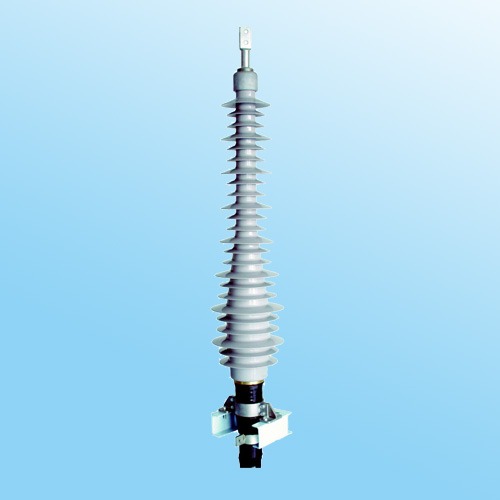
He outer terminal for cable 110 kV It is an essential accessory for connecting high voltage cables with overhead lines, transformers, busbars and other electrical equipment installed outdoors. Its main function is to provide a safe electrical connection and control the electric field at the end of the cable..
In transmission and distribution networks, the cables of 110 kV can be installed in different environments. For example, can be used in substations, urban areas, industrial plants and infrastructure projects. When the cable terminates in equipment installed outdoors, a solution designed specifically for these conditions is needed.
Besides, The terminal must withstand environmental factors such as rain, humidity, pollution, solar radiation and temperature changes. For this reason, the selection of outer terminal for cable 110 kV must consider both the electrical parameters and the conditions of the installation site.
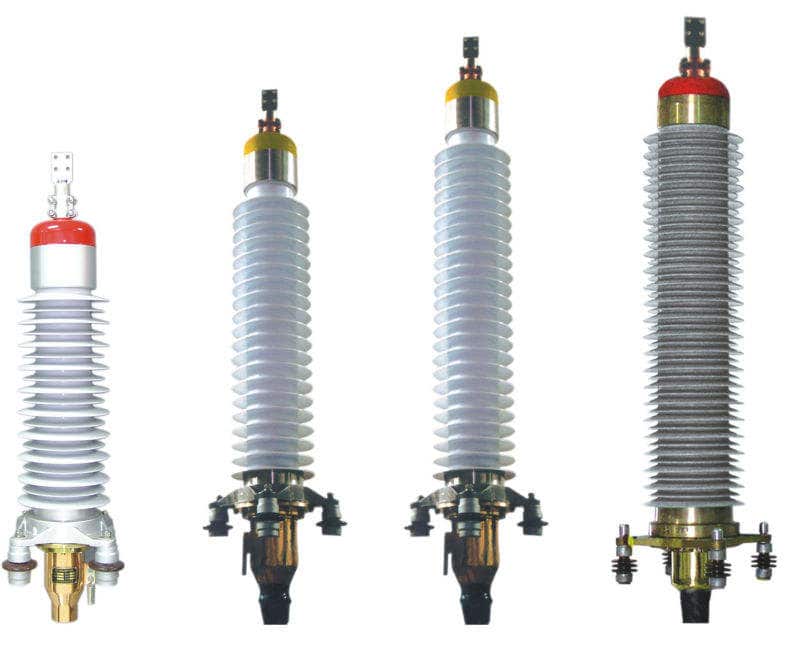
What is an external terminal for cable 110 kV?
And outer terminal for cable 110 kV is a high voltage accessory designed to connect an insulated cable with outdoor electrical equipment.
Unlike a GIS termination, which connects directly to a gas insulated switchgear, The external terminal is prepared to work in contact with the environment.
During operation, the terminal must maintain an adequate distribution of the electric field. In addition, must provide sufficient creepage distance to avoid problems related to contamination and humidity.
An exterior termination typically includes a conductor connector, an electric field control system, an insulating body, sealing elements and components for connecting the metal screen of the cable.
Therefore, It is not simply a connector. It is an insulation system designed to work under high voltage and variable environmental conditions..
Main types of external terminal 110 kV
Depending on the project, There are different solutions for cables 110 kV. Among the most used are:
- External terminal with porcelain insulator
- Outer terminal with composite insulator
- Completely dry outer terminal
Each solution has different characteristics. Therefore, the choice must be made according to the design of the substation, environmental conditions and customer requirements.
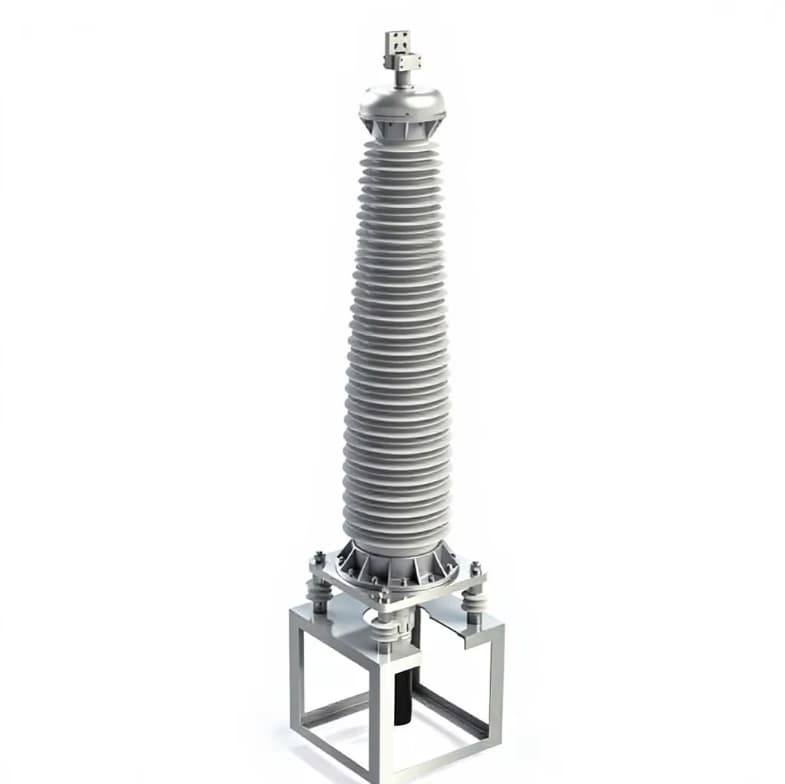
External terminal with porcelain insulator
He outer terminal with porcelain insulator It is a traditional solution for high voltage cables.
Electrical porcelain has good dielectric properties and high resistance to different environmental conditions.. Besides, This type of insulator has a long experience of application in electrical systems.
The design typically uses a porcelain body with a suitable geometry to provide the required insulation.. Skirts are incorporated on the outer surface that increase the creepage distance.
This feature is especially important in areas with environmental pollution..
For example, a substation located near the sea may be exposed to salinity and humidity. In this case, The creepage distance and surface design of the insulator must be carefully selected.
Advantages of the porcelain terminal
Among its main advantages are:
- Good dielectric strength.
- Long-term application experience.
- Good resistance to solar radiation.
- Suitable for different outdoor conditions.
- Wide availability in the market.
However, porcelain is a relatively heavy material. Besides, may be more vulnerable to mechanical damage during shipping or handling.
For this reason, Support structure design and installation process require special attention.
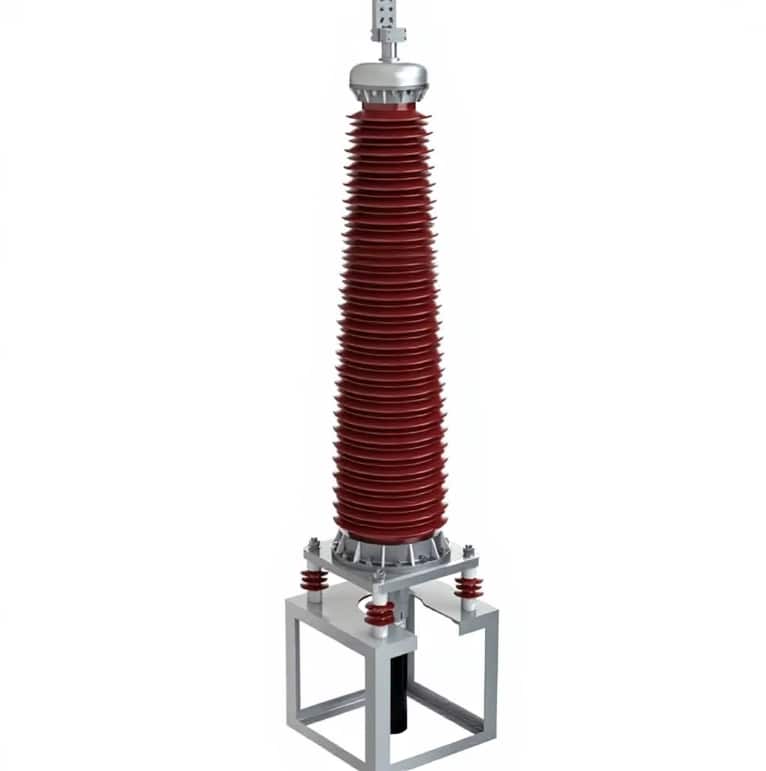
Outer terminal with composite insulator
He outer terminal with composite insulator uses an insulating body made of composite materials.
Generally, This type of solution combines an insulating core with an outer cover of polymeric material. The surface may incorporate skirts to provide the necessary creepage distance.
One of its main characteristics is its lower weight compared to many traditional porcelain designs..
For this reason, Terminals with composite insulator can facilitate transportation and installation.
Besides, Polymeric materials can present good characteristics against environmental contamination. Hydrophobic surface helps maintain stable performance in wet conditions.
When to use a composite terminal?
This solution may be interesting for:
- Urban substations.
- Industrial facilities.
- Coastal areas.
- Projects with weight limitations.
- Installations where a lighter structure is required.
However, material selection must be carried out in accordance with the specific conditions of the project.
It is also important to check the resistance against ultraviolet radiation., pollution and temperature changes.
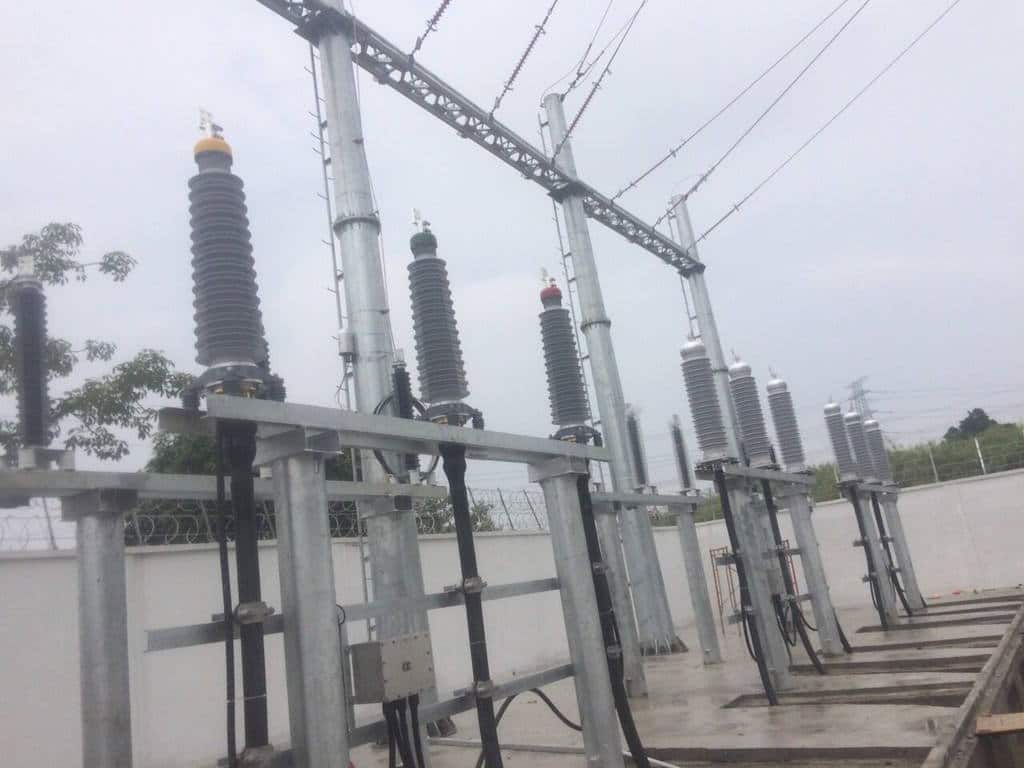
Completely dry outer terminal
He completely dry outer terminal is a modern solution for high voltage applications.
Unlike some traditional designs that use specific fluids or filler materials, The completely dry design seeks to reduce the use of liquid materials in the insulation zone.
This feature can facilitate certain installation and maintenance operations.
Besides, A dry structure can reduce concerns related to possible fluid leaks.
The design of the electric field control is especially important in this type of terminal. The manufacturer must ensure adequate electric field distribution around the end of the XLPE insulation..
Advantages of the completely dry terminal
Among the main advantages are:
- Does not depend on oil as an insulating medium.
- Clean and compact design.
- Lower risk associated with liquid leaks.
- Simplified maintenance in certain applications.
- Suitable for projects seeking modern high voltage solutions.
However, not all completely dry terminals have the same structure. That's why, It is necessary to review technical parameters and test results before selecting a product.
Compatibility with XLPE cables 110 kV
XLPE cables are widely used in high voltage networks.
A typical structure may include a copper or aluminum conductor, a semiconductor screen, XLPE insulation, other semiconductor screen, a metal screen and an outer cover.
He outer terminal for cable 110 kV must be compatible with all these layers.
During the installation, cable preparation must be done precisely. Especially, the removal of the semiconductor screen must respect the dimensions specified by the manufacturer.
An uneven surface can affect the distribution of the electric field. Therefore, Technicians must use proper tools and strictly follow the installation procedure.
Parameters to be confirmed before purchasing
Before selecting a outer terminal for cable 110 kV, It is advisable to collect all the technical information of the project.
The main data of the cable include:
- Driver material.
- Cross section.
- Driver diameter.
- XLPE insulation thickness.
- Diameter over insulation.
- Metal screen type.
- External diameter.
- Cover type.
Besides, electrical parameters must be confirmed:
- Nominal voltage.
- Maximum system voltage.
- Frequency.
- Rated current.
- Short circuit level.
- Isolation level.
- Impulse withstand voltage.
- Grounding conditions.
Besides, environmental conditions are also important.
The manufacturer should know if the installation is located in a coastal area, industrial, desert, tropical or with high levels of pollution.
This way, Insulator type and creepage distance can be correctly selected.
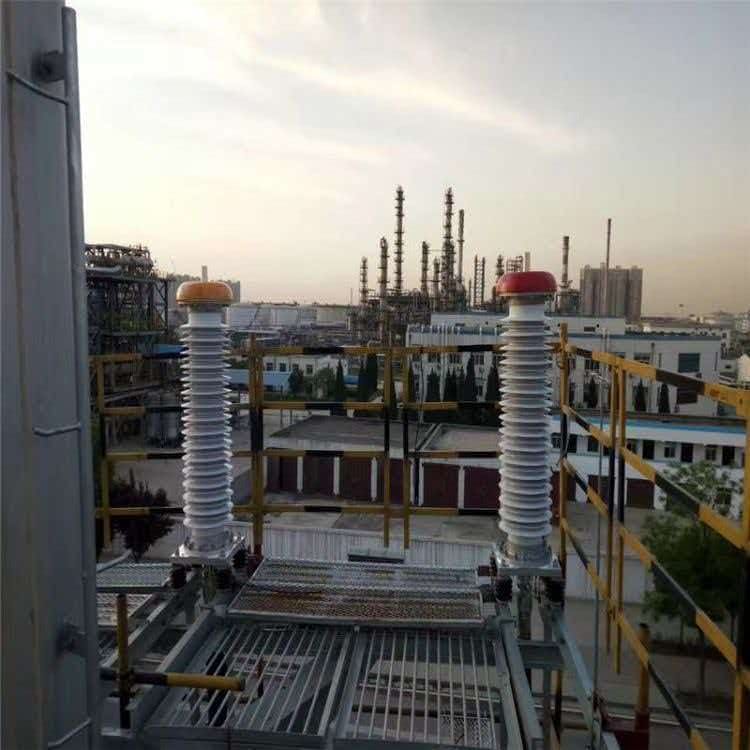
Testing the outer terminal for cable 110 kV
The tests allow us to verify the electrical and mechanical behavior of the product.
One of the most important tests is partial discharge test. This test allows you to evaluate the state of the insulation system and detect possible defects..
In addition, Withstand voltage tests are carried out to check the dielectric strength.
The impulse test allows evaluating the behavior against transient overvoltages.
Depending on project requirements, Thermal tests can also be performed, mechanical and environmental.
The specific tests must be defined according to the applicable standards, the client's technical specifications and terminal design.
How to choose between porcelain, compound and completely dry design?
There is no single right solution for all projects..
He porcelain terminal can be a traditional option when looking for a solution with extensive application experience.
Besides, he terminal with composite insulator can be interesting when you need to reduce weight or improve ease of handling.
Finally, he completely dry outer terminal may be suitable for projects seeking a modern solution without using oil as an insulation medium.
Besides, environmental conditions must be considered, the available space, maintenance requirements and customer specifications.
Therefore, The selection should be made after jointly analyzing the cable, the terminal and the connected equipment.
Installation of an external terminal 110 kV
Correct installation is essential to guarantee the reliability of the system.
First, the cable must be placed in a suitable position. After, Technicians must prepare each layer following the dimensions indicated in the manual.
In addition, insulating surfaces must be kept clean and dry.
The tightening torque must also be checked during assembly., the position of the connector and the connection of the metal screen.
Finally, after completing the installation, Required inspections and tests must be performed before placing the circuit into service.
Good installation can significantly reduce the risks associated with preparation and assembly errors.
Applications of the outer terminal for cable 110 kV
He outer terminal for cable 110 kV can be used in different applications.
Among them are:
- Electrical substations.
- Connections between underground cables and overhead lines.
- Connections with transformers.
- Industrial plants.
- Urban networks.
- Power plants.
- Infrastructure projects.
- Transmission substations.
In all these projects, the terminal must adapt to the characteristics of the cable and the connected equipment.
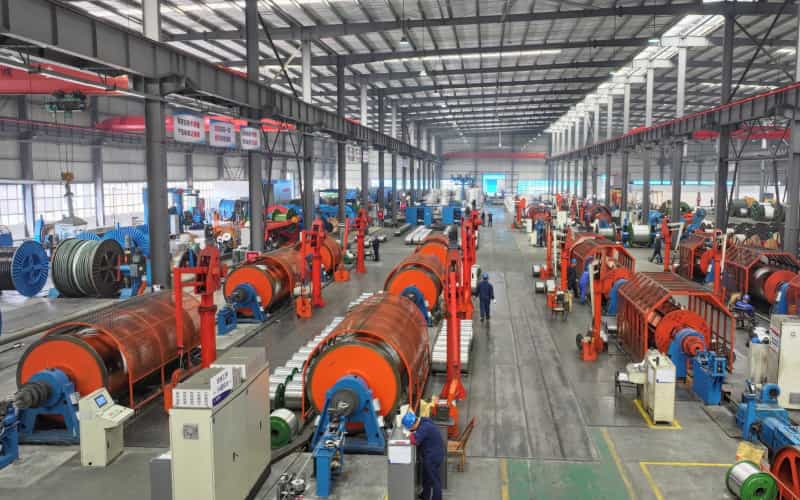
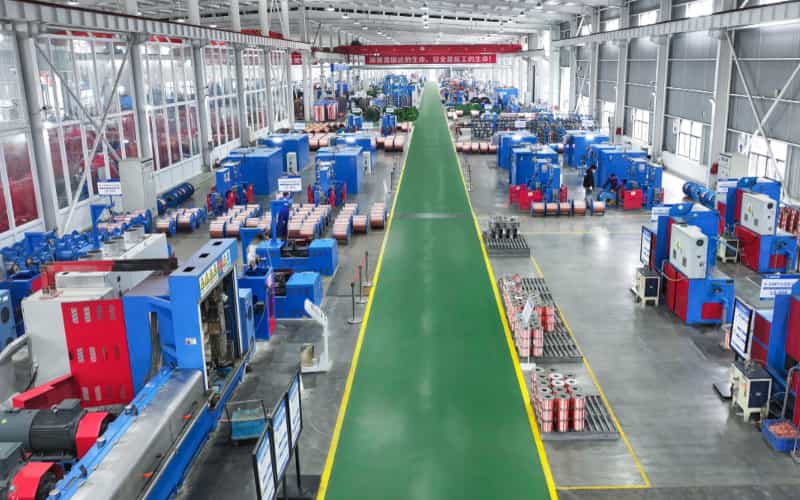
Dosense Cable: manufacturer of external terminal for cable 110 kV
Dosense Cable is a manufacturer of external terminal for cable 110 kV and accessories for high voltage cables. The company provides solutions for electrical transmission and distribution projects in different international markets..
Dosense Cable offers different termination configurations for high voltage cables, including outer terminals with porcelain insulator, outer terminals with composite insulator and completely dry outer terminals.
Besides, solutions can be selected depending on the type of cable, driver's section, electrical conditions and installation environment.
For a project outer terminal for cable 110 kV, customers can provide the cable data, electrical parameters, environmental conditions and connected equipment requirements. From this information, Dosense Cable can evaluate the appropriate configuration and prepare the corresponding technical documentation.
As a manufacturer of accessories for high voltage cables, Dosense Cable provides exterior terminal solutions for cable 110 kV adapted to different electrical transmission and distribution projects.