
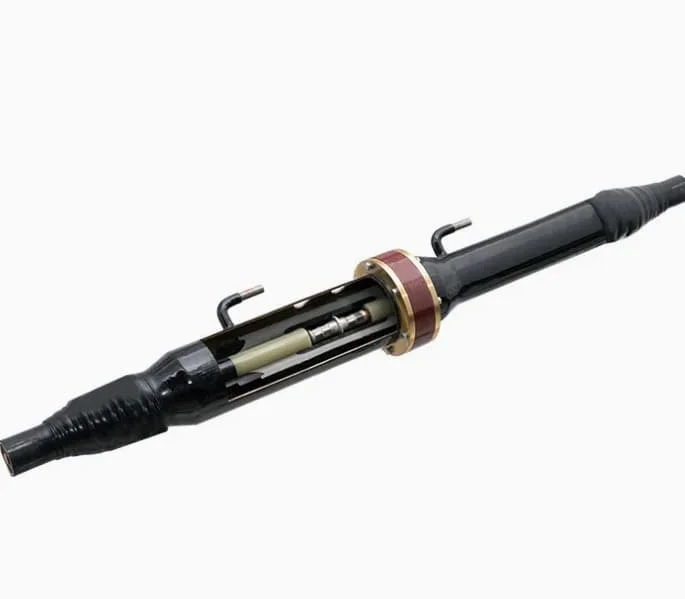
XLPE cable splice 245 high voltage kV
He XLPE cable splice 245 kV It is an essential component used in extra high voltage electrical transmission systems (EHV), designed to connect two sections of underground or submarine cables with cross-linked polyethylene insulation (XLPE). In modern electrical networks, where continuity of supply and system stability are critical factors, High-voltage junctions play a critical role in ensuring safe and efficient power transmission.
XLPE cables 245 kV are mainly used in metropolitan electrical networks, generation plants, offshore wind farms, industrial interconnections and long distance transmission systems. Due to the high level of tension, Splice design and manufacturing require extremely precise control of the electric field, high-performance insulating materials and strict manufacturing processes.
As a professional manufacturer of XLPE cable splices 245 kV, We offer solutions adapted to different types of high voltage cables, including cables with copper or aluminum conductor, aluminum metal screen, lead or copper, and different external protection structures.
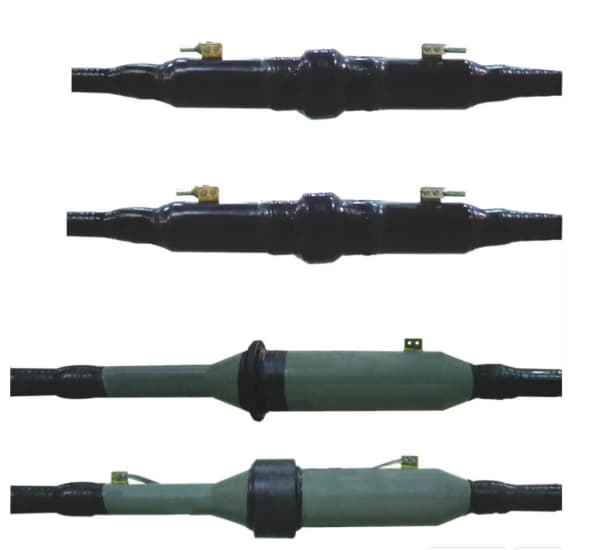
Manufacturer of splices for XLPE cables 245 kV
The manufacture of an XLPE cable splice 245 kV requires a combination of advanced technology, electrical engineering experience and specialized production capacity. Unlike accessories used in medium voltage cables, EHV joints must withstand high electrical stresses, thermal and mechanical over decades of operation.
A professional manufacturer must control each stage of the process, from raw material selection to final electrical testing.
The main manufacturing aspects include:
- Optimized electric field control design.
- XLPE compatible insulating materials.
- Dimensional control of conductive and semiconductor components.
- High-reliability conductor connection technology.
- Sealing system against moisture and contamination.
- Electrical tests according to international standards.
The main objective is to ensure that the splice area has an electrical performance equivalent to or superior to that of the XLPE cable itself., avoiding weak points within the transmission system.
Applications of XLPE cable splice 245 kV
The cable splices 245 kV are widely used in different energy infrastructure projects.
Underground electrical transmission networks
In big cities, Construction of overhead lines is limited due to available space and environmental restrictions. For this reason, XLPE cables 245 kV installed underground have become a common solution.
During installation of long cable routes, drums have a limited length. For this reason, it is necessary to use splices to connect different sections of cable and complete the entire transmission line.
A high quality splice allows you to maintain:
- Low electric resistance.
- Thermal stability.
- Rated current capacity.
- Resistance against thermal cycles.
- Reliability throughout the life of the system.
Renewable energy systems
The development of offshore wind farms and large solar plants has increased the demand for accessories for high voltage cables.
XLPE cables 245 kV can be used to transport large amounts of energy from generation areas to main substations. Splices must withstand demanding environmental conditions, especially in facilities near the sea.
For offshore projects, splices require:
- High humidity resistance.
- Corrosion protection.
- Excellent mechanical behavior.
- Compatibility with high voltage submarine cables.
Technical design of the XLPE cable splice 245 kV
The design of an EHV junction is primarily based on uniform control of the electric field around the connection zone..
When two XLPE cables are joined together, electric field distribution can be affected by geometric discontinuities between the layers of the cable. If there is no adequate control, Electrical voltage concentrations may appear that cause partial discharges and premature aging of the insulation..
For this reason, a splice for XLPE cable 245 kV usually includes several main parts:
driver connector
The conductor connector allows the two conductors of the cable to be electrically joined.
Its main features are:
- High electrical conductivity.
- Low contact resistance.
- Ability to withstand short circuit currents.
- High mechanical resistance.
Depending on cable design, Compression connectors or special mechanical connectors can be used.
Electric field control layer
The electrical control layer is one of the most important elements of the splice.
Its function is to evenly distribute the electric field around the conductor and the semiconductor screen.
A proper design prevents:
- Electric field concentration.
- Internal partial downloads.
- Premature insulation failures.
In systems of 245 kV, The precision of the electric field control is a decisive factor for the life of the accessory.
Main splice insulation
The insulation used in an XLPE splice 245 kV must present excellent electrical and thermal properties.
The most commonly used materials include:
- High purity XLPE.
- silicone rubber.
- Elastomeric prefabricated materials.
These materials provide:
- High dielectric strength.
- Low dielectric loss.
- Resistance to thermal aging.
- Excellent stability against electrical stress.
Metal screen and grounding system
The metal screen of the splice must guarantee the electrical continuity of the protection system.
Depending on cable design, can be used:
- copper screen.
- Aluminum tube.
- Sealed metal sheet.
- Ground connection system.
Correct screen continuity allows you to control induced currents and improve system safety.
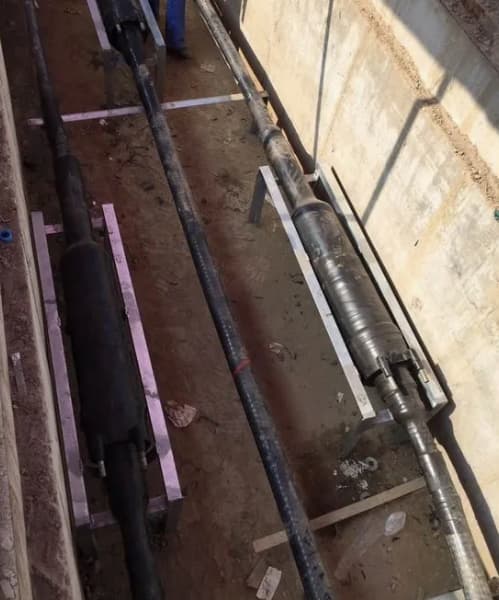
International Standards for XLPE Cable Splices 245 kV
The manufacturing of a XLPE cable splice 245 kV requires compliance with strict international standards to guarantee the safety and reliability of the electrical system throughout its useful life. Accessories used in extra high voltage networks must withstand high electrical stress, Continuous thermal cycles and variable environmental conditions.
Professional EHV splice manufacturers use international standards as a reference for design, manufacturing, testing and quality control of your products.
Among the main related standards are:
IEC 62067 for EHV cables and accessories
At the IEC standard 62067 is one of the main references for power cables with extruded insulation and accessories intended for voltage systems higher than 150 kV and less than equal to 500 kV.
This standard establishes requirements related to:
- Cable system design.
- Electrical characteristics.
- type tests.
- Routine electrical tests.
- Impulse and alternating voltage tests.
- Insulation performance evaluation.
For a XLPE cable splice 245 kV, Compliance with these requirements ensures that the accessory can work stably under the system's rated voltage and during abnormal conditions such as temporary surges..
IEC 60840 and design requirements of high voltage accessories
Aunque IEC 62067 It is the main standard for systems higher than 150 kV, many IEC technical principles 60840 They also serve as a reference for the development of cable accessories with extruded insulation..
These principles include:
- Electric field control.
- Compatibility between materials.
- Insulation design.
- Moisture protection.
- Electrical test methods.
An experienced manufacturer uses this knowledge to develop splices with high electrical and mechanical stability.
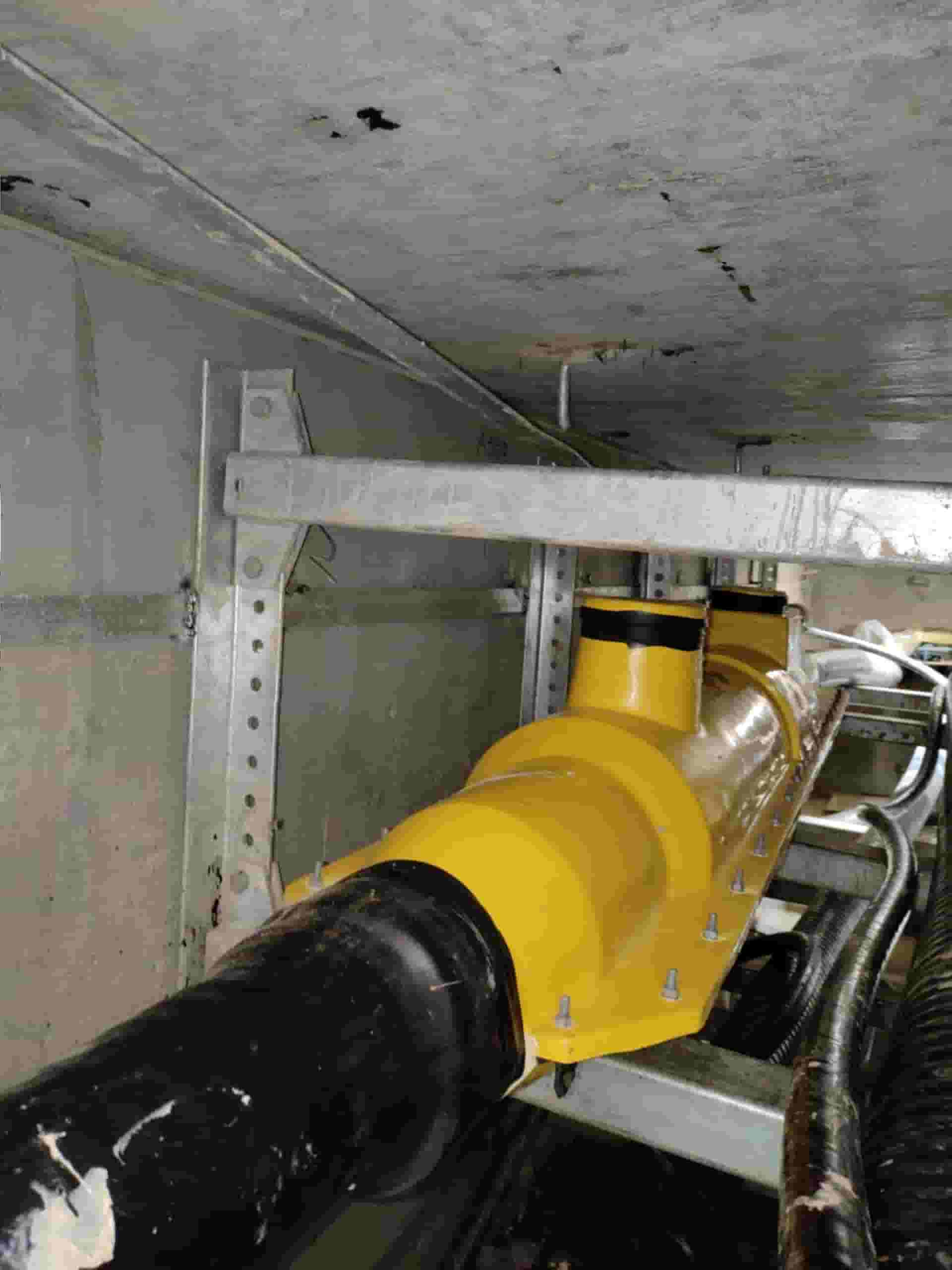
XLPE cable splice installation process 245 kV
The installation of a XLPE cable joint 245 kV It is a highly specialized operation. Because EHV systems work at extremely high voltage levels, Each stage of assembly must be executed under strict procedures.
A seemingly small mistake, such as contamination on the insulation surface or poor screen connection, can affect system performance for years.
Preparation of the cable ends
Before installing the splice, Technicians must carefully prepare both ends of the cable.
The main operations include:
- Removal of outer cover.
- Removal of protective layers.
- Preparation of the metal screen.
- Controlled removal of the semiconducting layer.
- Cleaning XLPE insulation.
The insulation surface must be in perfect condition., no particles, humidity or mechanical damage.
In cables 245 kV, The transition zone between the XLPE insulation and the electrical control system requires particularly high precision.
Installing the driver connector
After preparing the cables, The conductor is joined using a specially designed connector..
The connector must guarantee:
- Excellent electrical contact.
- Low connection resistance.
- Ability to withstand high currents.
- Resistance against mechanical stress.
For large section conductors used in electrical systems 245 kV, as 1000 mm², 1200 mm² or higher, Control of connector installation is essential to avoid hot spots.
Installation of insulation and electrical control
Once the driver is connected, the main insulating system of the splice is installed.
This stage aims to reconstruct the original electrical structure of the cable..
The system normally includes:
- inner semiconducting layer.
- Main insulation.
- Electric field control layer.
- Outer semiconducting layer.
The design must ensure a smooth transition between the different layers of the original cable and the body of the splice.
Recovery of the metal screen and outer cover
The metal screen has an essential function in high voltage cables.
Its main functions are:
- Control the external electric field.
- Provide return path for fault currents.
- Reduce electromagnetic interference.
- Improve system security.
After installing the screen, exterior protection is rebuilt to ensure:
- Impermeability.
- Mechanical strength.
- Protection against environmental agents.
XLPE Splice Electrical Testing 245 kV
Before being supplied to the customer, and XLPE cable splice 245 kV must pass different tests to confirm its quality and reliability.
The tests allow us to verify that the product can withstand real operating conditions for decades..
Partial discharge test
Partial discharge measurement is a fundamental test to detect possible internal defects.
This test allows you to identify:
- Microvoids within the insulation.
- Contamination during manufacturing.
- Problems in interfaces between materials.
- Assembly defects.
A high quality EHV splice must have minimum levels of partial discharges.
Alternating current withstand voltage test
The AC test verifies the dielectric strength of the splice.
During the test, the accessory is subjected to a stress greater than the normal operating stress for a specified time.
The objective is to check:
- Insulation integrity.
- Correct operation of electrical control.
- Safety against surges.
Electrical impulse test
Transmission systems can suffer surges caused by lightning or operating maneuvers..
For this reason, the splices of 245 kV must be able to withstand high electrical impulses.
Impulse testing verifies the insulation's ability to withstand extreme conditions.
Advantages of choosing a professional XLPE splice manufacturer 245 kV
Selecting a specialized manufacturer is a decisive factor in ensuring the safety of an electrical transmission project.
A professional supplier must offer not only the product, but also full technical support.
Experience in EHV systems
The splices of 245 kV require advanced knowledge in:
- High voltage engineering.
- Insulating materials.
- Electric field simulation.
- Manufacturing technology.
- electrical tests.
Manufacturer's experience reduces risks during installation and operation.
Production with quality control
A professional manufacturer must have strict control processes:
- Material inspection.
- Control dimensional.
- electrical tests.
- Production record.
- Final testing before shipping.
Each component must meet the technical specifications of the project.
Custom solutions for different cables
Transmission systems can use different configurations:
- XLPE cable with copper conductor.
- XLPE cable with aluminum conductor.
- Different conductor sections.
- Different metal screen systems.
For this reason, The manufacturer must be able to develop splices compatible with different cable designs.
Typical technical parameters of the XLPE cable splice 245 kV
The technical parameters of a XLPE cable splice 245 kV may vary depending on specific cable design, installation conditions and project requirements. However, Professional manufacturers often develop products compatible with the main EHV cable systems used in international power networks..
| Parameter | Common Features |
|---|---|
| Nominal system voltage | 245 kV |
| Compatible cable type | High voltage XLPE cable |
| Voltage level | Extra high voltage (EHV) |
| Cable configuration | Unipolar / tripolar |
| Conductor | It covers the aluminum |
| Driver section | 500 mm² – 2500 mm² |
| Insulation material | XLPE |
| Metal screen | Copper, aluminum or lead |
| Operating frequency | 50 Hz / 60 Hz |
| Maximum driver temperature | 90 °C |
| short circuit temperature | 250 °C |
| Installation | Underground, tunnel, channeling or special applications |
| Designed life | More than 30 years |
The final values depend on the characteristics of the main cable and the technical specifications of the electrical project.
Main Applications of XLPE Cable Splice 245 kV
The growth of modern electrical networks has increased the demand for accessories capable of operating at high levels of voltage and current.. He XLPE cable splice 245 kV It is mainly used in systems where the reliability of the electrical supply is critical.
Underground transmission networks
In urban areas with high population density, Traditional airlines have limitations due to available space, visual impact and environmental restrictions.
XLPE underground cables 245 kV permiten:
- Greater transmission capacity.
- Less visual impact.
- Greater operational security.
- Integration with urban infrastructure.
Splices allow connecting different sections of cable installed over long distances, maintaining the original electrical characteristics of the system.
Renewable energy projects
The expansion of large-scale wind farms and solar plants requires transmission systems capable of transporting large amounts of electricity.
XLPE splices 245 kV are used in:
- Offshore wind farm connections.
- Collecting substations.
- Renewable energy evacuation lines.
- Regional interconnections.
In these projects, Splice reliability is especially important because repairs can be complex and expensive.
International electrical interconnections
Many countries are developing interconnected power grids to improve energy stability.
XLPE Cable Systems 245 kV allow energy to be transported between different regions through underground or underwater lines.
In these applications, the splices must offer:
- High electrical resistance.
- Excellent thermal performance.
- Moisture protection.
- Continuous operation for decades.
Technical advantages of XLPE splices 245 modern kV
Technological advances in insulating materials and manufacturing processes have allowed the development of splices with greater reliability and ease of installation..
High electrical reliability
A properly designed junction maintains a uniform distribution of the electric field, avoiding voltage concentrations that can cause premature failures.
This allows:
- Lower risk of breakdowns.
- Greater system stability.
- Reduction of maintenance costs.
Excellent thermal resistance
During normal operation, High voltage cables generate heat due to electric current.
The splice design must allow adequate thermal dissipation to avoid overheating..
The materials used provide:
- High temperature stability.
- Resistance to thermal aging.
- Ability to withstand load cycles.
Protection against environmental conditions
Splices installed outdoors, tunnels or wet areas must withstand different environmental conditions.
Modern solutions offer:
- Moisture sealing.
- Mechanical strength.
- Pollution protection.
- Durability in aggressive environments.
Frequently asked questions about splicing for XLPE cable 245 kV
What is an XLPE cable splice? 245 kV?
And XLPE cable splice 245 kV It is an electrical accessory used to connect two segments of extra high voltage cable while maintaining the electrical and mechanical properties of the original system..
Its main function is to guarantee the continuity of electrical transmission without reducing the capacity of the cable..
What is the difference between a medium voltage splice and a 245 kV?
The main difference is in the level of electrical demand.
A splice of 245 kV need:
- Advanced electric field control systems.
- Special insulating materials.
- Higher manufacturing precision.
- Stricter electrical tests.
Due to the high tension, any small defect can seriously affect the life of the system.
How long can an XLPE splice work? 245 kV?
The expected life of a properly designed splice, manufactured and installed can exceed the 30 years.
The duration depends on factors such as:
- Product quality.
- Correct installation.
- Environmental conditions.
- System electrical load.
- Network maintenance.
What tests should a manufacturer perform before supply?
A professional manufacturer should conduct tests to verify:
- Electrical continuity.
- insulation resistance.
- Partial downloads.
- Withstand voltage.
- Assembly quality.
- Cable Compatibility.
These tests ensure that the splice can be installed in critical transmission systems.
Professional manufacturer of XLPE cable splices 245 kV
As a specialized manufacturer of high voltage cable accessories, we offer complete solutions for systems XLPE 245 kV, adapted to the needs of national and international electrical transmission projects.
Our splices are designed considering essential factors such as:
- Electrical security.
- Long term reliability.
- Ease of installation.
- Compatibility with different cable structures.
- Compliance with international standards.
Manufacturing EHV accessories requires a combination of advanced engineering, industrial experience and rigorous quality control. Each joint must guarantee stable operation for decades, even under demanding operating conditions.
With the increase in global energy demand and the expansion of underground and renewable transmission networks, los XLPE cable splices 245 kV They become essential components to build safer electrical systems, efficient and reliable.