
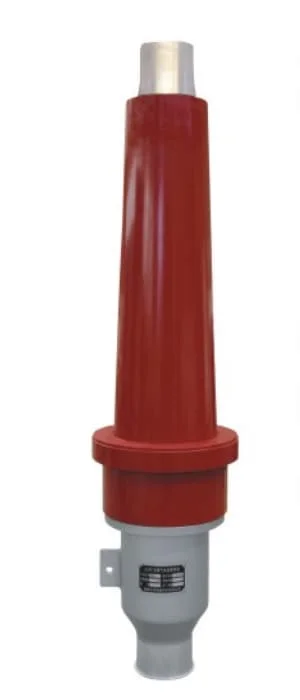
What is a GIS Terminal for Cable 245 kV?
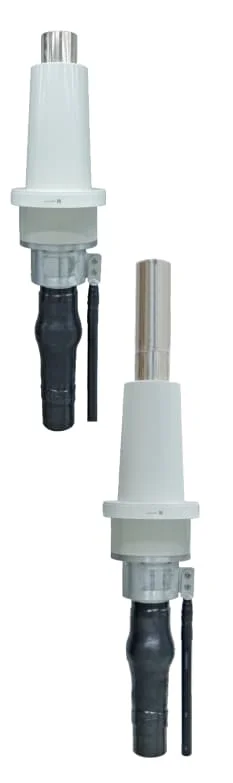
He GIS Terminal for Cable 245 kV is a specialized accessory used in high voltage electrical transmission systems to connect power cables with GIS equipment (Gas Insulated Switchgear). Its main function is to ensure a safe transition, stable and efficient connection between XLPE insulated cable and GIS switchgear installed in high voltage substations.
In modern electrical networks, especially in large capacity power transmission systems, the reliability of each component is essential. A failure in a high voltage connection can cause significant interruptions, economic losses and system security risks. For this reason, GIS terminals for cables 245 kV are designed to high technical standards to offer stable operation for decades.
He GIS Terminal for Cable 245 kV Mainly used in transmission substations, power plants, large-scale industrial projects and urban electrical networks where a compact and highly reliable solution is required.
Unlike conventional outdoor terminals, GIS terminals are designed to work within gas insulated compartments, providing a compact connection protected from environmental factors such as humidity, pollution and climate changes.
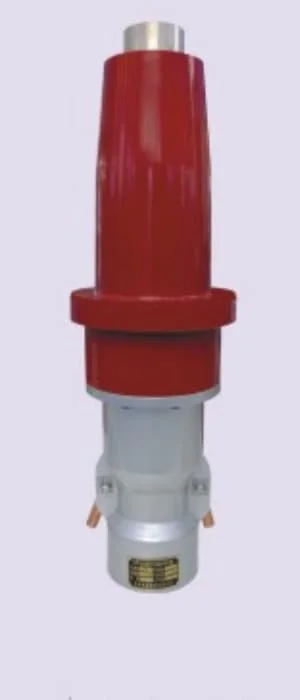
Importance of the GIS Terminal in information systems 245 kV
The transmission systems 245 kV belong to the high voltage level and require components with excellent electrical and mechanical properties. In these systems, The connection between the underground cable and the GIS represents a critical area where electric field concentration can occur.
The design of GIS Terminal for Cable 245 kV allows controlling this distribution of the electric field through special insulating materials and voltage control elements.
Its main objectives are:
- Avoid concentrations of electric field.
- Reduce the risk of partial discharges.
- Ensure a stable electrical connection.
- Withstand temporary surges.
- Maintain system security throughout the life of the system.
Thanks to these features, GIS terminals are a widely used solution in modern high-capacity electrical networks.
Working principle
The operation of the GIS Terminal for Cable 245 kV is based on the correct transition between different insulation systems.
High voltage cable normally uses solid XLPE insulation, while GIS equipment uses gas insulation. The function of the terminal is to create a secure interface between both systems.
During normal operation:
- Electrical current flows from the cable conductor to the GIS conductor.
- The electrical control system evenly distributes the field around the insulation.
- The metal shield of the cable is correctly connected to the grounding system.
- Insulating materials maintain necessary electrical separation.
The internal design of the terminal avoids points of high electrical intensity that could cause premature aging of the insulation.
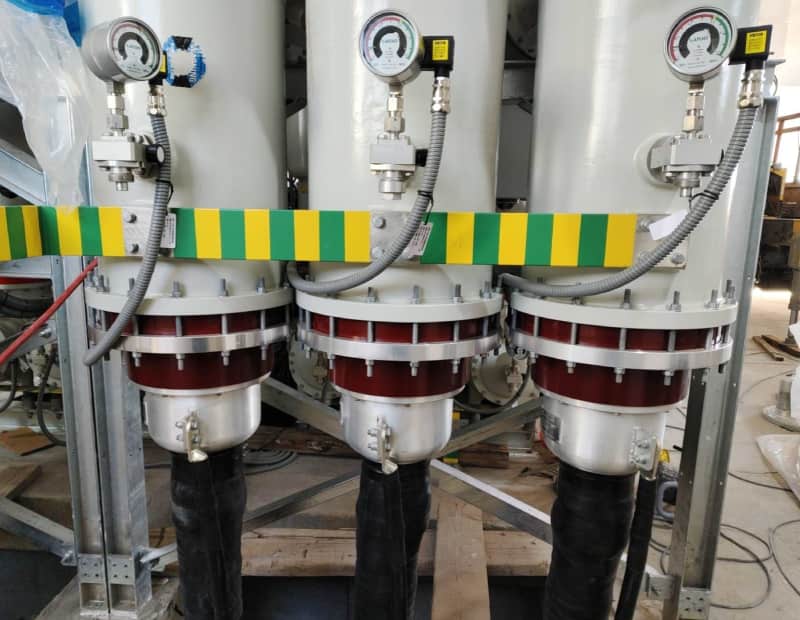
Structure of the GIS Terminal for Cable 245 kV
A high voltage GIS terminal is made up of several elements designed to work together.
driver connector
The conductor connector establishes the electrical connection between the XLPE cable conductor and the GIS conductor bar.
Must guarantee:
- Low electric resistance.
- High current capacity.
- Mechanical strength.
- Excellent electrical contact.
High quality conductive materials such as copper or special alloys are normally used..
Electrical control cone
The tension control cone is one of the most important components of the terminal.
Its function is to modify the distribution of the electric field in the area where the semiconductor screen of the cable ends..
A proper design allows:
- Reduce electrical stress.
- Avoid partial downloads.
- Improve insulation reliability.
In terminals of 245 kV, Electric field control requires extremely precise manufacturing due to the high voltage level.
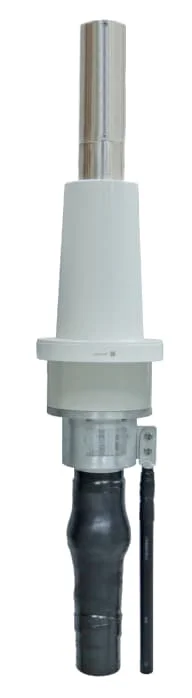
insulation system
Insulation is responsible for supporting the electrical voltage between the conductor and the ground..
Commonly used materials include:
- High quality EPDM.
- High performance silicone.
- Special composite materials.
These materials offer:
- Excellent dielectric resistance.
- Good elasticity.
- Resistance to thermal aging.
- Stability against electrical stress.
Metal casing and GIS connection
Outer casing provides mechanical protection and allows integration with GIS compartment.
Its main functions are:
- Protection of the insulation system.
- Connection with the GIS envelope.
- Grounding control.
- Mechanical safety.
Design must meet strict pressure requirements, tightness and compatibility with GIS equipment.
Main technical characteristics
He GIS Terminal for Cable 245 kV Features specific features for power transmission applications:
| Parameter | Typical value |
|---|---|
| Nominal voltage | 220/245 kV |
| Maximum system voltage | 245 kV |
| Frequency | 50/60 Hz |
| Compatible cable type | XLPE High Tension |
| Installation type | Interior GIS |
| Isolation level | High voltage |
| insulating material | EPDM / Silicone |
| Partial downloads | ≤ 5 pC |
| Maximum driver temperature | 90°C |
| short circuit temperature | 250°C |
| Expected useful life | ≥ 30 years |
Exact values may vary depending on manufacturer's design, the type of cable and the specific requirements of the project.
Advantages of the GIS Terminal for Cable 245 kV
The use of a GIS Terminal for Cable 245 kV provides important advantages in electrical systems where reliability and safety are priority factors.
High electrical reliability
The transmission systems 245 kV work with high voltage levels, so any defect in a connection can seriously affect the operation of the network. The advanced design of the GIS terminal allows maintaining a uniform distribution of the electric field and reducing the possibility of failures.
XLPE insulation combination, High quality elastomeric materials and tension control systems ensure stable operation over long periods.
Compact design
One of the main advantages of GIS systems is their small size compared to conventional air-insulated substations..
He GIS Terminal for Cable 245 kV Allows installation of high voltage connections in small spaces, which is especially important in:
- Urban areas.
- Industrial areas.
- Indoor substations.
- Projects where available space is limited.
Excellent environmental protection
When installed within the GIS system, the terminal is protected against:
- Humidity.
- Dust.
- Environmental pollution.
- Extreme temperature changes.
- ultraviolet radiation.
This increases system reliability and reduces maintenance needs..
Long lifespan
The materials used in high voltage GIS terminals are designed to resist electrical stress, thermal and mechanical for decades.
With correct installation and proper maintenance, and GIS Terminal for Cable 245 kV can achieve a useful life greater than 30 years.
Advantages of the GIS Terminal for Cable 245 kV
The use of a GIS Terminal for Cable 245 kV offers important technical benefits for high voltage electrical networks. Because the systems 245 kV work with high energy levels, each connection component must guarantee maximum security, stability and resilience throughout the life of the system.
High electrical reliability
One of the main advantages of GIS Terminal for Cable 245 kV is its high electrical reliability. The design of the terminal allows precise control of the distribution of the electric field in the connection area between the XLPE cable and the GIS equipment.
Through elements such as the tension control cone and high-performance insulating materials, electrical concentration points that can cause premature aging of the insulation or partial discharges are reduced.
This feature is especially important in transmission networks where an interruption can affect large areas of electrical consumption..
Compact and space-saving design
GIS systems are characterized by using a compact structure compared to conventional air-insulated substations..
He GIS Terminal for Cable 245 kV allows high voltage connections to be made in small spaces, being an ideal solution for:
- Urban substations.
- Industrial facilities.
- Power plants with limited space.
- Modernization projects for existing networks.
Compact design facilitates construction of indoor substations and reduces floor space requirements.
Protection against environmental conditions
Unlike traditional external terminals, GIS terminals are installed inside protected compartments.
This provides greater resistance against:
- Humidity.
- Industrial pollution.
- Dust.
- Sudden temperature changes.
- Adverse environmental conditions.
As a result, The system maintains stable performance even in areas with demanding environments.
Long life and low maintenance
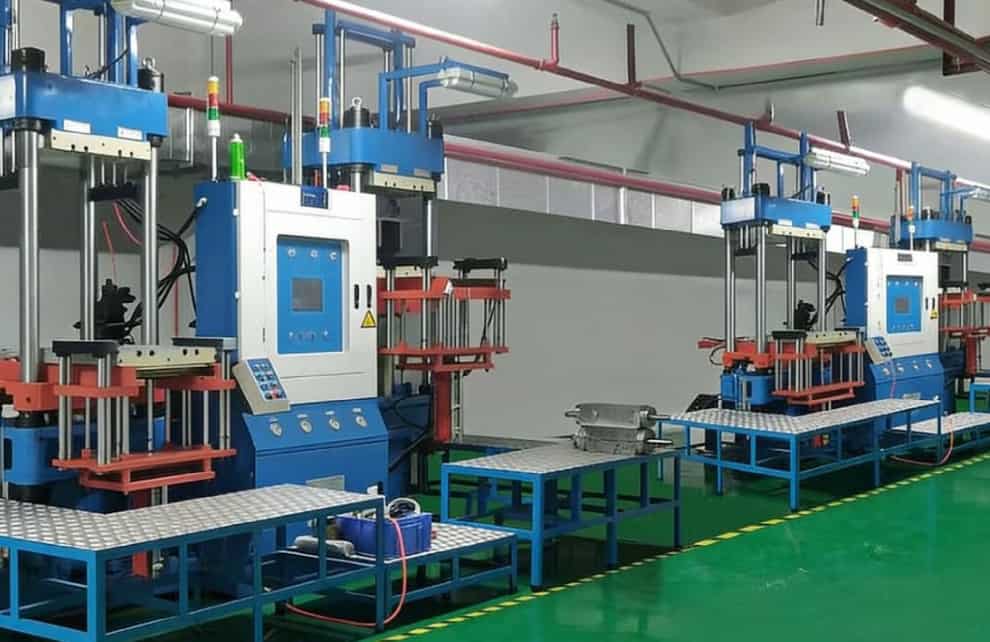
The materials used in a GIS Terminal for Cable 245 kV They are designed to withstand electrical stress, thermal and mechanical over long periods.
Correct installation and adequate preventive maintenance allow these equipment to operate for more than 30 years, reducing operating costs and increasing the availability of the electrical network.
Applications of the GIS Terminal for Cable 245 kV
He GIS Terminal for Cable 245 kV It is mainly used in systems where safe electrical transmission is required, efficient and high capacity.
Electrical transmission substations
Transmission substations are one of the main applications of GIS terminals.
In these facilities, The terminal connects underground high-voltage cables with GIS equipment, allowing large amounts of energy to be transported between different points of the network.
The connection must meet strict electrical requirements to ensure stability during normal operation and during emergency situations.
Power plants
hydroelectric plants, thermal, nuclear and combined cycle plants need connection systems capable of handling high powers.
He GIS Terminal for Cable 245 kV allows connecting internal generation systems with the national transmission network.
Its advantages include:
- High current capacity.
- Excellent insulation.
- Great resistance to electrical stress.
- Continuous operation.
Renewable energy projects
The growth of renewable energy has increased demand for high voltage transmission systems.
Large wind and solar farms use GIS substations to connect the generated energy to the electrical grid.
In these projects, GIS terminals 245 kV offer a compact and reliable solution to transport energy from remote areas to consumption centers.
Urban electrical networks
In big cities, Installation of overhead lines can be complicated due to space limitations and environmental requirements.
Underground cables combined with a GIS Terminal for Cable 245 kV allow the development of modern electrical networks with less visual impact and greater security.
Installation of the GIS Terminal for Cable 245 kV
Installation of a high voltage GIS terminal requires specialized technical knowledge and strict procedures.
Improper installation can affect system performance and significantly reduce accessory life..
Preparation of the high tension cable
Before assembly, the cable must be carefully prepared.
The main stages include:
- Removal of outer cover.
- Preparation of the metal screen.
- Controlled removal of the semiconducting layer.
- Cleaning XLPE insulation.
- Dimension verification.
Throughout the entire process it is essential to avoid contamination, dust or moisture on insulating surfaces.
Installing the electrical control cone
The tension control cone must be installed exactly following the manufacturer's technical instructions.
The correct position of the cone guarantees:
- Uniform electric field distribution.
- Reduction of dielectric stress.
- Lower risk of partial discharges.
In systems of 245 kV, Mounting accuracy is a critical factor in ensuring reliability.
Connection with the GIS system
After installing the terminal on the cable, connection is made to the GIS compartment.
During this stage, we verify:
- mechanical adjustment.
- Sealing system.
- Ground connection.
- GIS Equipment Compatibility.
Correct integration guarantees that the whole works as a single electrical system.
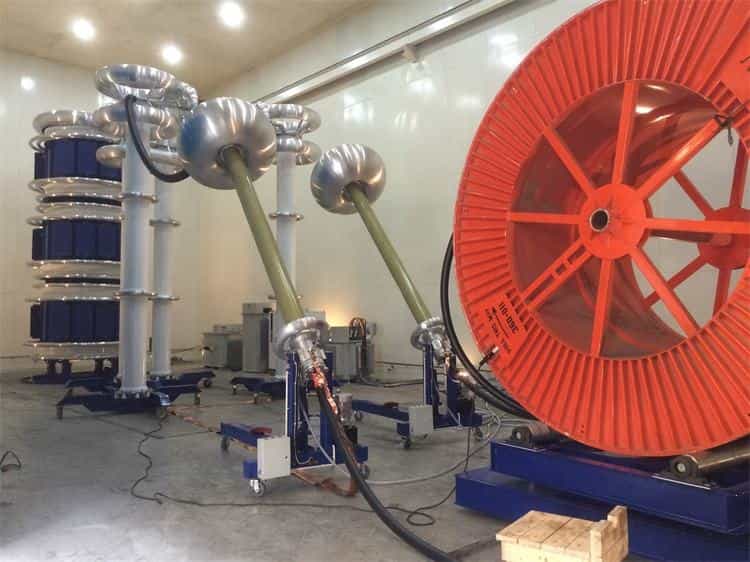
Tests of the GIS Terminal for Cable 245 kV
Before commissioning, The system must pass different tests to verify its security and performance.
Partial download test
The partial discharge test is one of the most important tests for high voltage equipment..
Its objective is to detect small internal discharges that may appear within the insulation.
A low level of partial discharges indicates a good quality of the assembly and the insulating system..
Withstand voltage test
This test verifies the terminal's ability to withstand voltages higher than normal operating conditions..
Confirms that the insulation can withstand temporary surges and harsh electrical conditions.
Electrical resistance test
The resistance of the conductor and connections is measured to verify that there are no abnormal losses..
Leakage test
The sealing system must guarantee that there is no entry of moisture or loss of the insulating gas used in the GIS..